
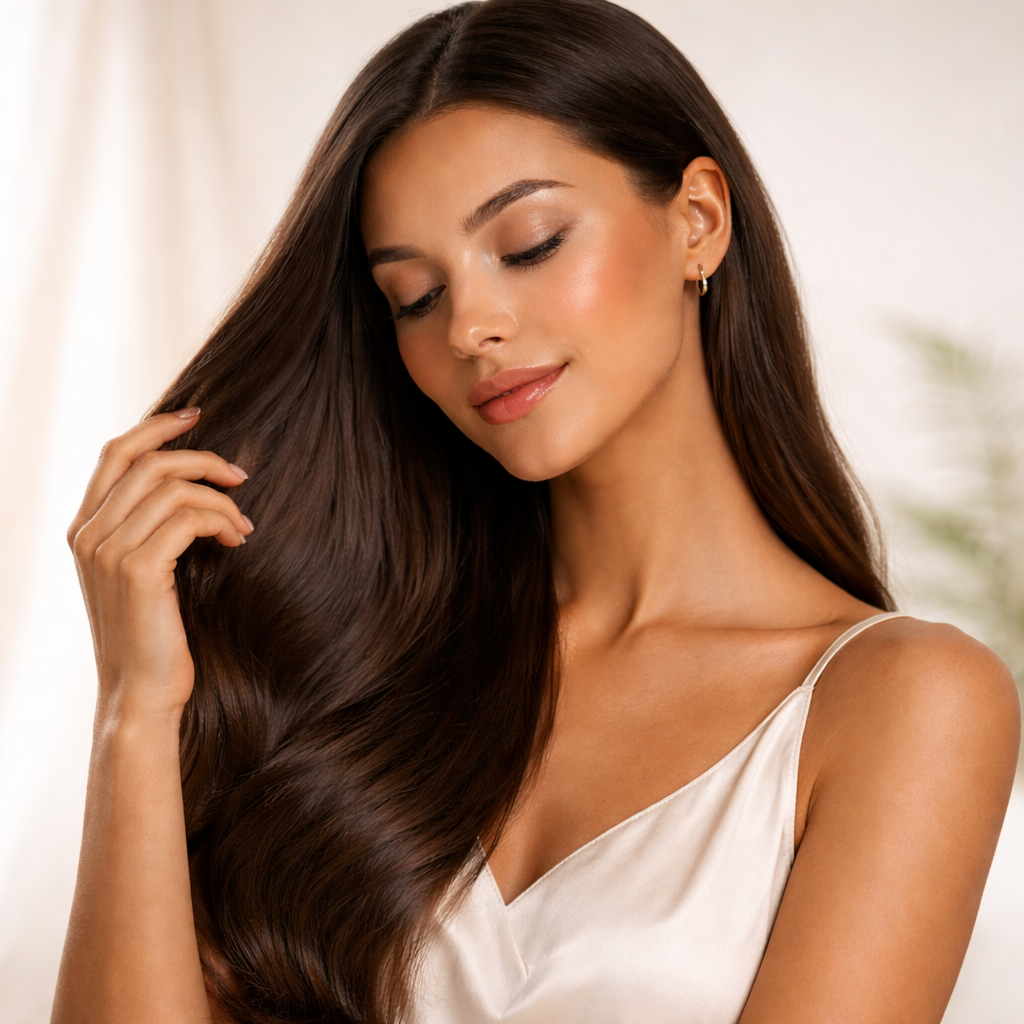
Frizzy hair can feel unpredictable. One day it looks smooth and manageable, and the next it’s dry, puffy, or full of flyaways. The truth is, frizz isn’t just about hair texture, it’s often about moisture balance, humidity, and using the wrong products for your hair type.
If you’ve been searching for a Hair Products for Frizzy Hair that actually works, you’re not alone. This guide will walk you through what helps, what doesn’t, and how to choose the right products without overloading your routine or wasting money on options that don’t deliver results.
Why Hair Becomes Frizzy in the First Place
Frizz happens when the hair cuticle lifts and allows moisture from the air to enter. This is why frizzy hair is more noticeable in humid weather, but dryness can cause it too.
Common causes include:
- Lack of moisture in the hair shaft
- Humidity pulling water into dry strands
- Heat styling without protection
- Using harsh shampoos
- Towel-drying with rough fabrics
Understanding the cause helps you choose the right frizz-fighting hair products instead of layering random ones that don’t work.
How to Choose the Right Frizz-Control Product
Not all anti frizz hair products work the same way. The key is matching the product type to your hair’s specific needs.
- Dry, rough hair: richer creams, masks, and oils
- Humidity frizz: lightweight serums and anti-humidity formulas
- Fine hair: weightless leave-ins instead of heavy oils
- Damaged hair: repairing treatments that smooth the cuticle over time
A good rule of thumb: if your hair feels dry, focus on moisture. If it feels soft but puffs up, focus on sealing and protection.
Best Product Types for Managing Frizz
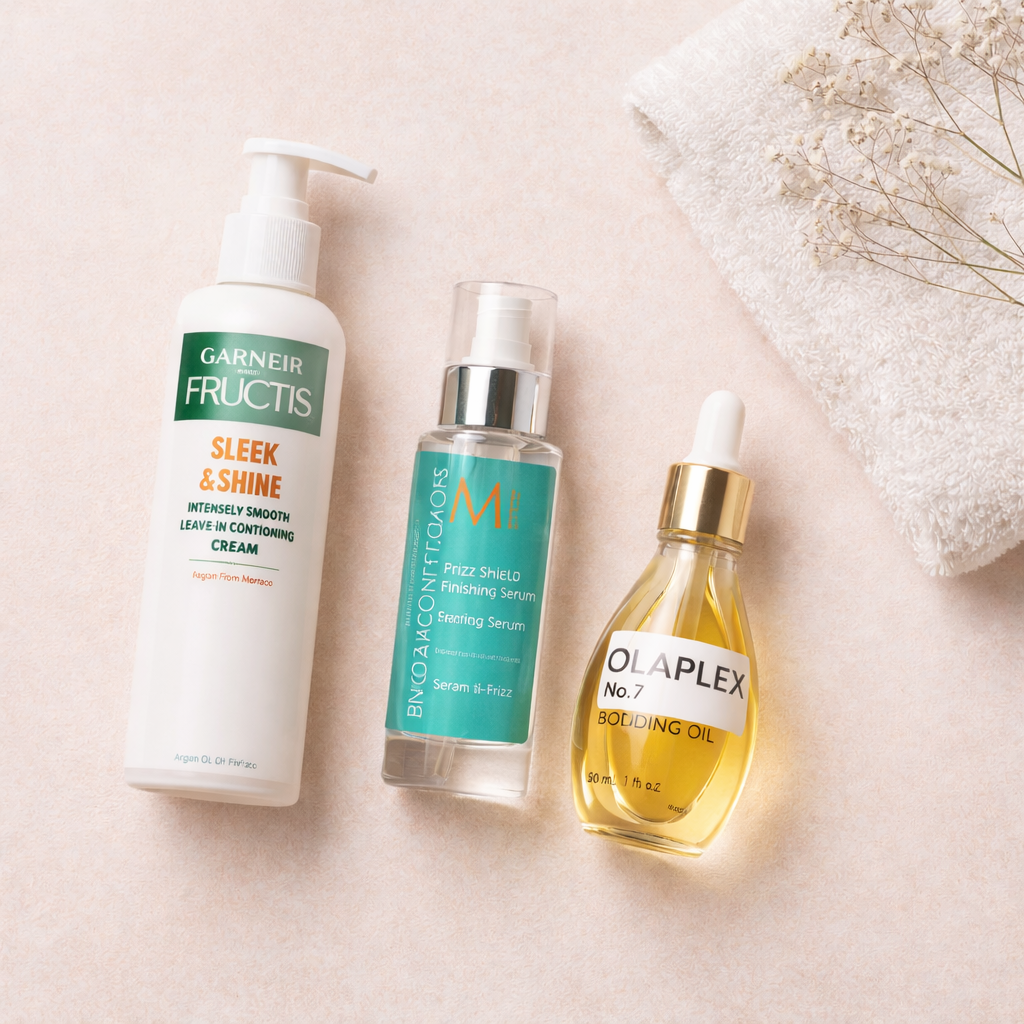
Leave-In Products That Smooth Without Weighing Hair Down
Leave-in conditioners are a staple for anyone dealing with daily frizz. They hydrate the hair, reduce static, and make styling easier—especially for wavy or curly textures.
Best for:
- Dry frizzy hair
- Curly or wavy hair
- Everyday use
Serums & Oils for Flyaways and Humidity
Hair serums and lightweight oils work by coating the hair strand, helping block excess moisture from the air. This makes them ideal for frizz control in humidity and for taming flyaways after styling.
Best for:
- Straight hair that frizzes easily
- Humid climates
- Final styling step
Wash-Day Products That Reduce Frizz Long-Term
Frizz often starts in the shower. Using a gentle shampoo for frizzy hair and a nourishing conditioner helps keep the cuticle smooth from the beginning.
Look for formulas designed for:
- Moisture retention
- Smoothing and softening
- Reducing dryness without buildup
Best Picks Based on Hair Type
For Dry, Rough, or Chemically Treated Hair
Focus on products with nourishing ingredients that soften and repair over time. Rich creams, masks, and oils tend to work best here.
For Curly or Wavy Hair Prone to Puffiness
Moisture is key. Lightweight leave-ins and curl-friendly styling products help define texture while controlling frizz.
For Straight Hair That Frizzes Easily
Go light. Heavy products can weigh hair down, so opt for serums, sprays, or thin oils applied sparingly.
Hair Tools That Quietly Make Frizz Worse or Better
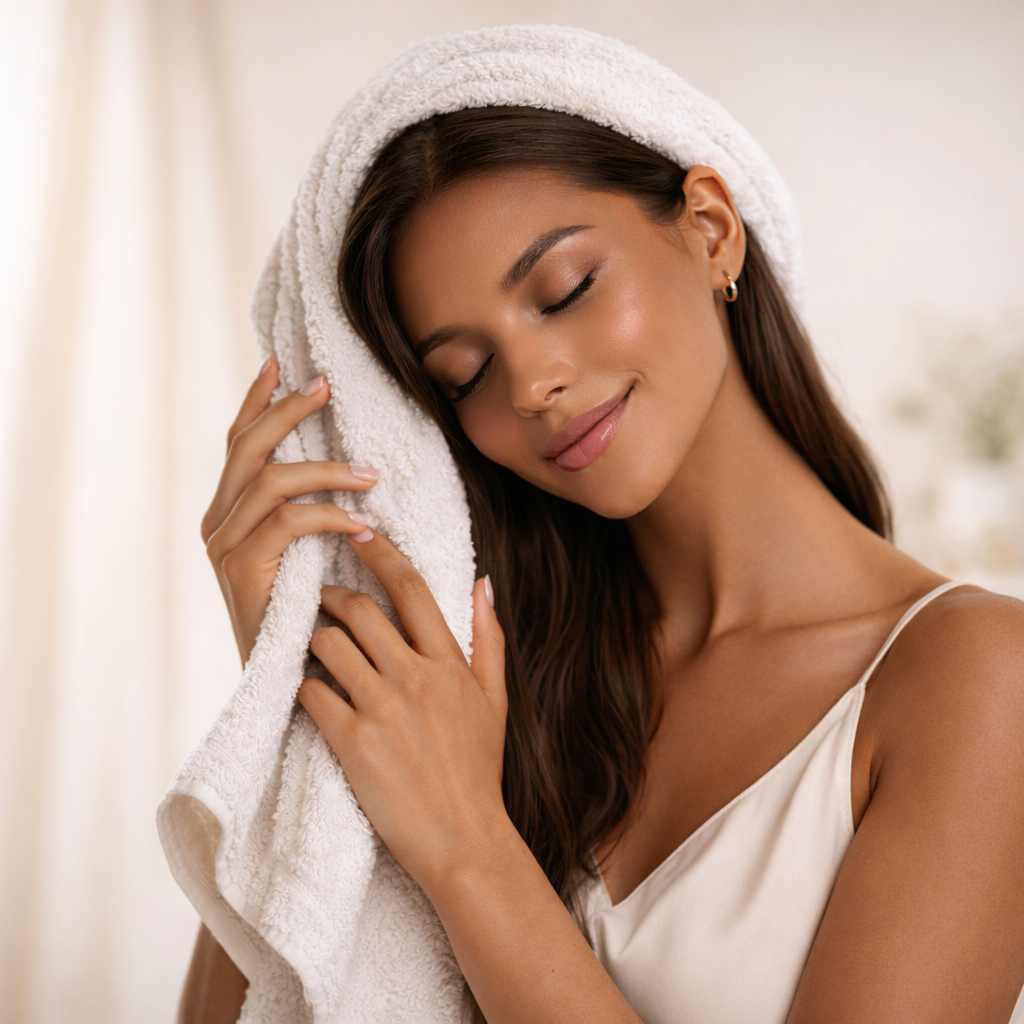
Products matter, but tools do too. The wrong tools can undo all your frizz-control efforts.
Helpful swaps:
- Microfiber towel instead of a regular towel
- Wide-tooth comb instead of brushing dry hair
- Ionic hair dryer to reduce static
Common Frizz-Control Mistakes Most People Make
Even the best hair products for frizzy hair won’t help if they’re used incorrectly.
Avoid these mistakes:
- Applying too much product at once
- Using products on soaking-wet hair when they work better on damp hair
- Brushing hair when it’s dry and textured
- Skipping heat protection
Small changes in technique often make a bigger difference than adding more products.
How to Layer Products for Frizz-Free Results
Layering matters. The right order helps each product do its job.
Simple layering guide:
- Cleanse and condition
- Apply leave-in on damp hair
- Use heat protectant before styling
- Finish with a serum or oil for flyaways
This approach works especially well for damaged or humidity-prone frizzy hair.
Final Thoughts: What Actually Makes a Difference With Frizz
Managing frizz doesn’t require a complicated routine, just smart choices. When you understand your hair type, environment, and the role each product plays, finding the best hair product for frizzy hair becomes much easier.
Focus on moisture, protection, and gentle tools, and you’ll notice smoother, more manageable hair over time, without fighting it every day.