
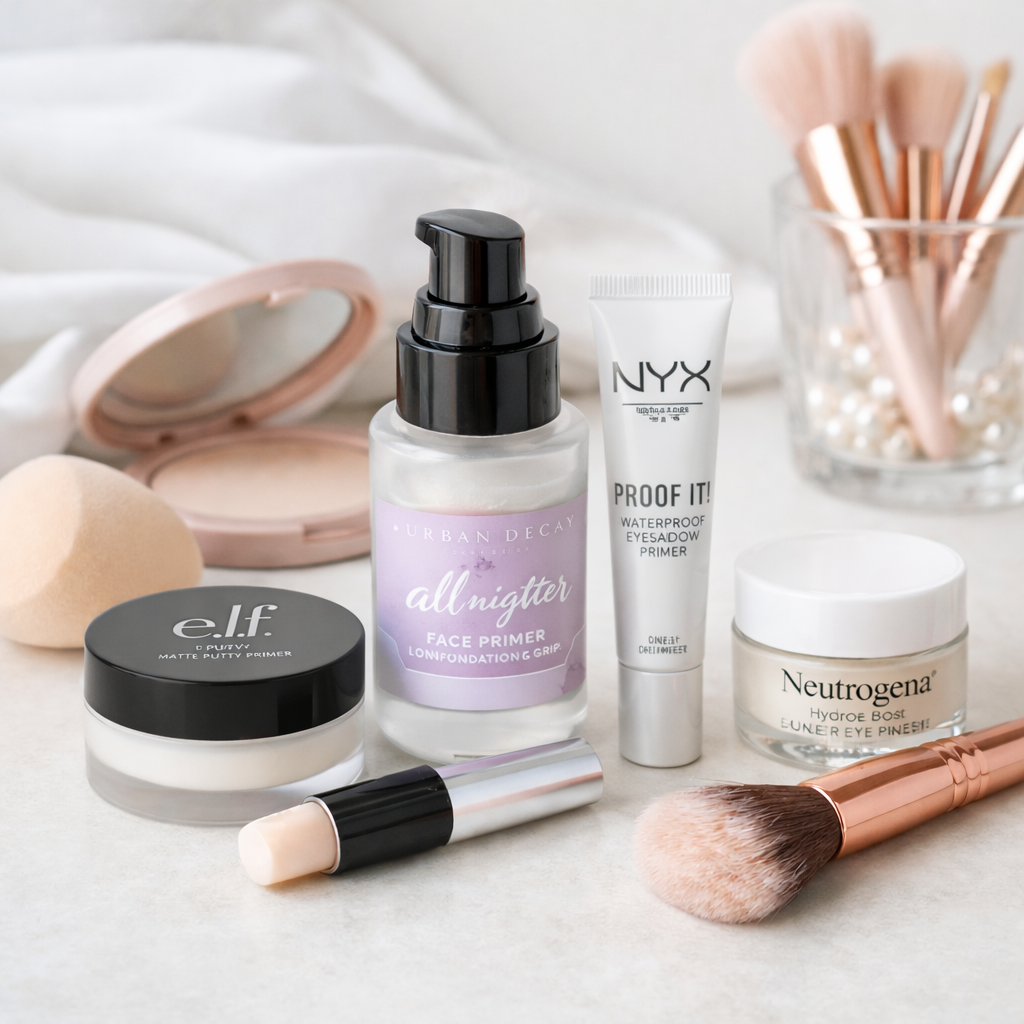
If you’re new to makeup, you may have asked yourself what is makeup primer and whether it’s truly necessary. Primer often feels like an extra step, especially when you’re trying to keep your routine simple.
This guide breaks things down clearly, explaining how primer works, when it’s useful, and how to choose the right one without over-complicating your routine.
What Exactly Is Makeup Primer?
To put it simply, what is makeup primer refers to a base product applied after skincare and before makeup. Its role is to prepare the skin so makeup applies more evenly and lasts longer.
Primer doesn’t replace moisturizer or sunscreen. Instead, it sits lightly on the skin and creates a smoother surface for makeup products like foundation and concealer.
Why Makeup Primer Is Used Before Foundation
Many people wonder why primer is applied before foundation instead of after. The reason is simple: primer helps makeup perform better.
When foundation is applied over primer, it tends to:
- Glide on more smoothly
- Look more even on textured skin
- Stay intact for a longer time
Understanding what is makeup primer helps explain why makeup often looks more polished when this step isn’t skipped.
How Primer Interacts With Different Skin Textures
Primer works by adjusting how makeup sits on the skin, depending on your skin’s texture.
- On oily skin, primer can reduce shine and prevent makeup from sliding
- On dry skin, it helps foundation apply without clinging to flakes
- On uneven texture, it softens the appearance of pores and fine lines
Rather than masking skin concerns, primer helps makeup work with your skin instead of against it.
Types of Makeup Primers and Their Purpose
There are several types of primers, each designed for specific areas of the face.
Face Primer
Used all over the face to improve makeup application and wear.
Eye Primer
Helps eyeshadow stay vibrant and prevents creasing throughout the day.
Lip Primer
Smooths the lips and helps lipstick apply evenly and last longer.
Under-Eye Primer
Reduces creasing and helps concealer sit better under the eyes.
Choosing the Right Primer for Your Skin Type
Choosing a primer based on skin type makes a noticeable difference.
For Oily Skin
Mattifying formulas help control excess oil and reduce shine.
For Dry Skin
Hydrating primers add comfort and help makeup apply smoothly.
For Combination Skin
Targeted application works best—using primer only where needed.
For Sensitive or Acne-Prone Skin
Gentle formulas help avoid irritation while improving makeup wear.
Knowing what is makeup primer also helps avoid choosing formulas that don’t suit your skin’s needs.
How to Apply Makeup Primer Correctly
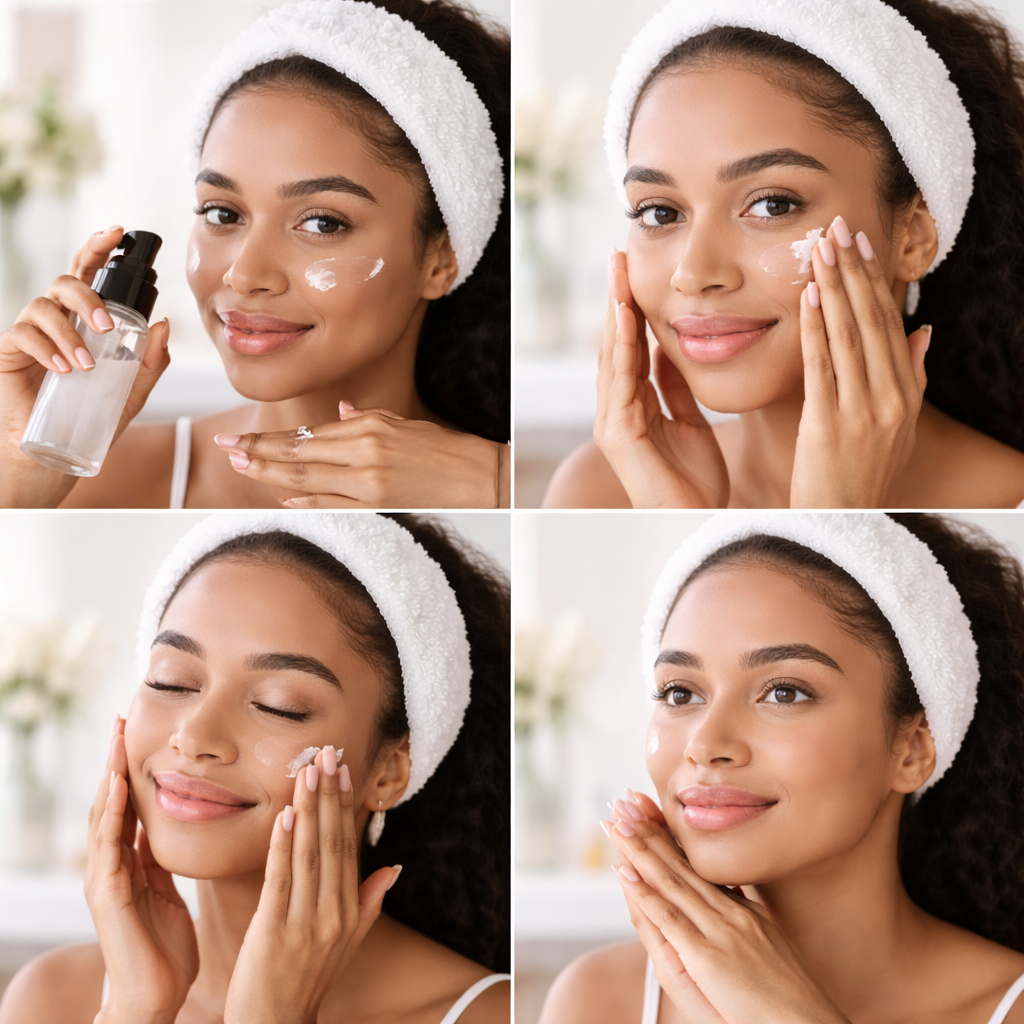
Using primer the right way is just as important as choosing the right one.
- Start with clean, moisturized skin
- Apply primer after skincare and sunscreen
- Use a small amount—usually a pea-sized drop
- Gently spread it with fingers or a sponge
- Wait a few seconds before applying foundation
Proper application helps prevent patchy or heavy-looking makeup.
Common Primer Mistakes Beginners Often Make
If primer doesn’t seem to work, it’s often due to small mistakes such as:
- Using too much product
- Applying primer on damp skincare
- Choosing the wrong formula for your skin type
- Rushing straight into foundation without letting primer settle
Once these mistakes are corrected, many people notice a big improvement.
Do You Really Need a Primer?
Whether or not you need primer depends on your makeup habits.
Primer is helpful if:
- Makeup fades quickly
- Foundation separates or creases
- You wear makeup for long hours
You may not need primer if your makeup routine is minimal and already lasts well. Still, understanding what is makeup primer makes it easier to decide when it’s worth using.
Primer vs Moisturizer vs Sunscreen
These products serve very different purposes:
- Moisturizer hydrates the skin
- Sunscreen protects from UV damage
- Primer improves makeup application
Primer doesn’t replace skincare—it works best when layered correctly over it. This distinction is important when learning what is makeup primer and how it fits into a routine.
Final Thoughts
Now that you understand what is makeup primer, it’s easier to decide whether it belongs in your routine. Primer isn’t mandatory, but it can make makeup look smoother, last longer, and feel more polished—especially for beginners.
Whether you use it daily or only for special occasions, choosing the right primer for your skin can elevate your overall makeup experience.