
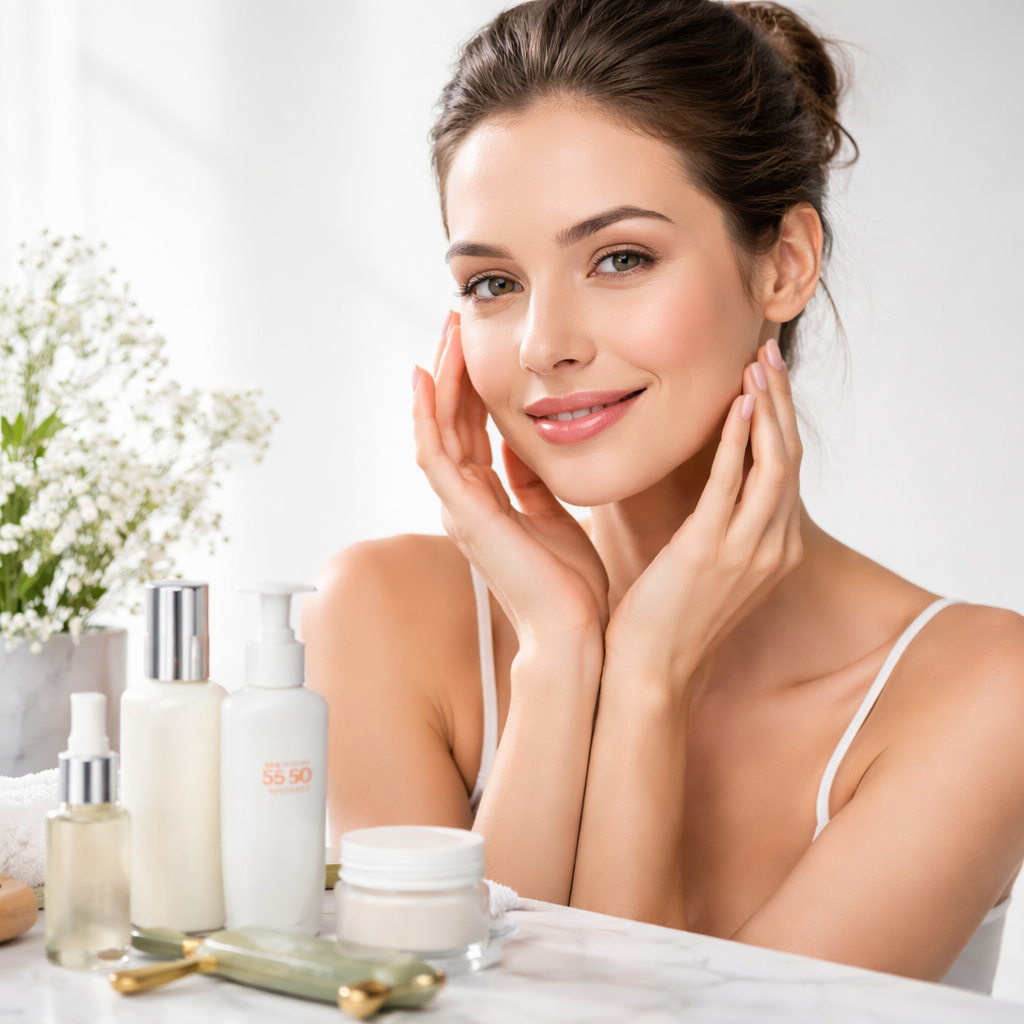
Clear skin is one of the most searched beauty goals, yet it’s also one of the most misunderstood. If you’ve ever wondered how to get clear skin without using dozens of products or following unrealistic routines, you’re not alone.
The truth is, clear skin isn’t about perfection or overnight fixes. It’s about understanding your skin, supporting it consistently, and avoiding habits that quietly work against you. This guide breaks everything down in a simple, realistic way—so you can build a routine that actually works for your skin.
What Clear Skin Really Means (Not What Social Media Shows)
Clear skin doesn’t mean poreless, flawless, or filter-perfect. In real life, clear skin means:
- Minimal breakouts
- Even skin tone
- Smooth texture
- Calm, balanced skin with fewer flare-ups
Many people chase “instant glow” trends, but those often lead to irritation, clogged pores, and frustration. True skin clarity is gradual—and achievable—when you focus on skin health instead of quick results.
The Real Reasons Your Skin Isn’t Clear Yet
Before adding new products, it’s important to understand what may be holding your skin back.
Common causes of unclear skin include:
- Excess oil mixing with dead skin cells
- Clogged pores from heavy or unsuitable products
- A damaged skin barrier due to over-exfoliation
- Stress and lack of sleep increasing inflammation
- Switching products too frequently
- Skipping sunscreen, even indoors
Most people don’t have “bad skin”—they have overworked skin.
A Simple Daily Routine That Supports Clear Skin
You don’t need a complicated routine to get clear skin naturally. These three steps form the foundation for every skin type.
Gentle Cleansing (Morning & Night)
Cleansing removes dirt, oil, and buildup—but over-cleansing strips your skin and triggers more breakouts.
Choose a mild cleanser that suits your skin type and cleanse no more than twice daily.
Moisturizing to Protect the Skin Barrier
Even oily or acne-prone skin needs moisture. When skin lacks hydration, it produces more oil—leading to clogged pores and breakouts.
A lightweight moisturizer helps maintain balance and supports the skin barrier.
Sun Protection (Often Ignored, Always Essential)
Sun exposure worsens acne marks, uneven tone, and skin texture. Daily sunscreen is one of the most effective habits for long-term clear skin.
Ingredients That Actually Help Clear Skin (No Hype)
Instead of chasing trends, focus on ingredients proven to support clearer, healthier skin.
Niacinamide for Balance & Texture
Niacinamide helps regulate oil, calm redness, and refine skin texture. It’s suitable for most skin types when used consistently.
Vitamin C for Brightness & Clarity
Vitamin C improves uneven tone and dullness while supporting overall skin clarity. Best used in the morning under sunscreen.
Retinol for Beginners (Long-Term Results)
Retinol supports cell turnover and helps prevent clogged pores over time. Beginners should start slowly to avoid irritation.
Clear Skin Habits That Matter More Than Products
Products help—but habits matter just as much.
- Getting enough sleep allows skin to repair overnight
- Drinking enough water supports hydration from within
- Managing stress reduces inflammation
- Avoiding constant face touching limits bacteria transfer
- Changing pillowcases regularly prevents buildup
These small habits quietly improve skin texture and clarity over time.
Clear Skin Tips by Skin Type
For Oily Skin
- Avoid harsh cleansers
- Use lightweight, non-comedogenic products
- Don’t skip moisturizer
For Dry Skin
- Focus on hydration and barrier repair
- Limit exfoliation
- Avoid alcohol-based products
For Sensitive Skin
- Introduce one product at a time
- Avoid fragrance when possible
- Prioritize calming ingredients
Common Skin Care Mistakes That Delay Clear Skin
Many people unknowingly sabotage their progress by:
- Over-exfoliating
- Using too many active ingredients at once
- Switching products too frequently
- Expecting instant results
Clear skin is built through consistency, not constant change.
Tools & Gadgets: Do They Really Help?
Skincare tools can be helpful—but only when used correctly.
- Facial cleansing brushes can improve cleansing for makeup wearers
- LED masks may support skin calmness and clarity with regular use
Use tools sparingly and only as a supplement to a solid routine.
How Long Does It Take to Get Clear Skin?
Results depend on your starting point, but most people notice:
- Calmer skin in 1–2 weeks
- Fewer breakouts in 3–4 weeks
- Visible improvement in texture and tone in 6–8 weeks
Consistency always beats speed.
FAQs About Getting Clear Skin
Can you get clear skin naturally?
Yes. A gentle routine, healthy habits, and patience go a long way.
Does diet affect skin clarity?
For many people, yes—especially high sugar and processed foods.
Is makeup stopping my skin from clearing?
Not necessarily. Proper cleansing and non-comedogenic products matter more.
Final Thoughts
If you’re trying to get clear skin, remember this: your skin doesn’t need more products—it needs the right support. Build a simple routine, protect your skin barrier, and give your skin time to respond. skin isn’t a quick fix—it’s a result of consistent care, smart choices, and realistic expectations.