
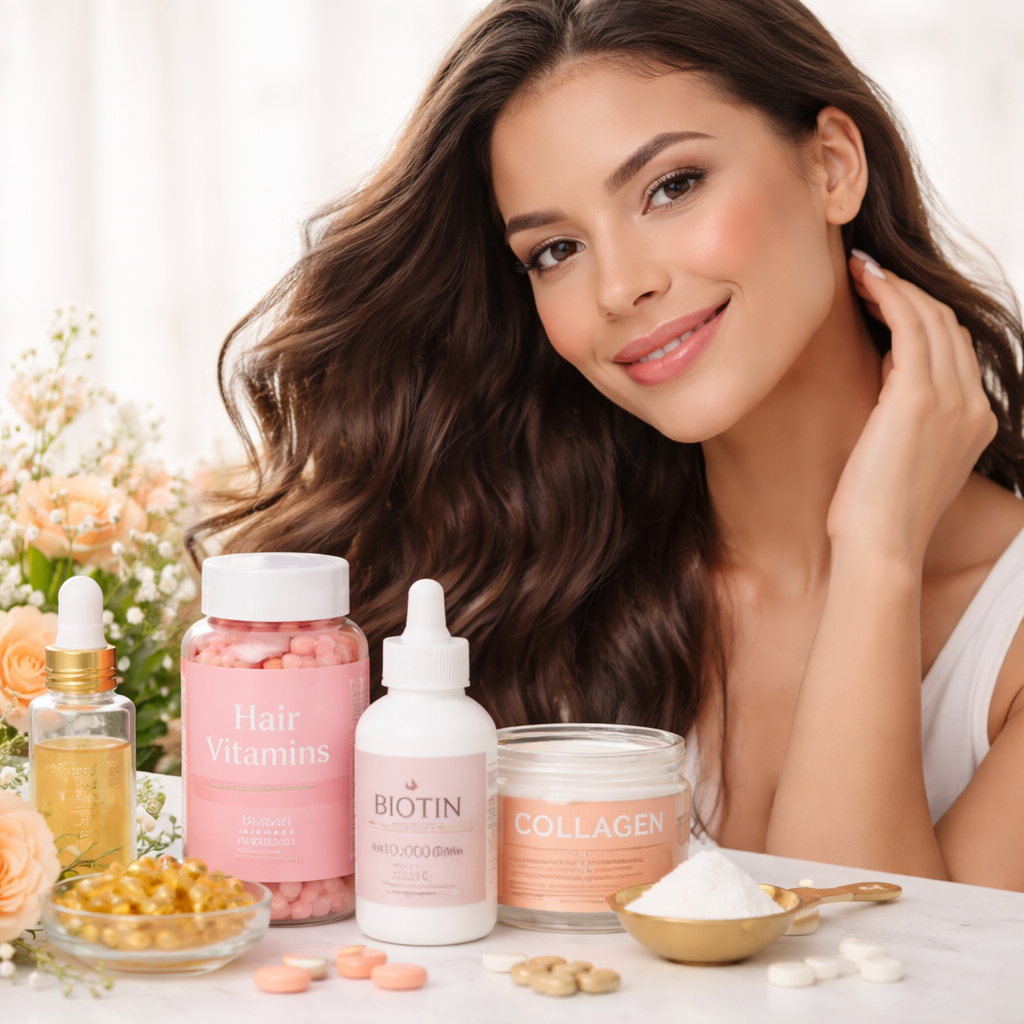
Many people struggling with thinning hair or slow growth often ask the same question: what is the best vitamin for hair growth?
Hair growth is influenced by many factors, including genetics, hormones, stress levels, and nutrition. When the body lacks certain nutrients, hair follicles may weaken, which can lead to shedding or slower growth.
The good news is that several vitamins for hair growth can help support healthier strands, stronger roots, and better scalp health. While no supplement can magically grow hair overnight, maintaining the right balance of nutrients can make a noticeable difference over time.
The Nutrients Your Hair Needs to Grow Strong
Hair is made mostly of keratin, a structural protein that requires proper nutrition to grow and remain strong. Vitamins and minerals support cell growth, scalp health, and blood circulation, all of which play an important role in maintaining healthy hair follicles.
When the body experiences a nutrient deficiency, hair strands may become weaker and more prone to breakage. This is why many experts recommend ensuring a balanced diet before relying on supplements alone.
People searching for hair growth vitamins often want solutions for thinning hair, shedding, or slow growth. In many cases, addressing vitamin levels can help improve hair quality and thickness.
Best Vitamins That Help Support Hair Growth
Biotin (Vitamin B7)
Biotin is one of the most commonly discussed vitamins for healthy hair. It helps the body produce keratin, which supports stronger hair strands and improved texture.
Biotin supplements are widely marketed as hair growth supplements, although research suggests they are most effective when someone has a deficiency.
Example supplement option:
Biotin Hair Supplement
Vitamin D
Vitamin D plays a role in stimulating hair follicles and supporting the hair growth cycle. Some studies suggest that vitamin D deficiency hair loss may occur when levels drop too low.
If someone experiences unexplained shedding, doctors sometimes check vitamin D levels to see if this could be contributing to the issue.
Vitamin C
Vitamin C helps produce collagen, which supports the structure of hair strands. It also improves iron absorption, which is important because iron deficiency is commonly linked to hair loss.
Foods rich in vitamin C can support scalp health and stronger hair growth naturally.
Vitamin A
Vitamin A helps the scalp produce sebum, a natural oil that keeps hair moisturized. Healthy sebum production supports smoother strands and reduces dryness.
However, extremely high levels of vitamin A can sometimes contribute to hair shedding, so balance is key.
Vitamin E
Vitamin E helps reduce oxidative stress and improves circulation to the scalp. Better blood flow allows hair follicles to receive nutrients more efficiently.
Because of this, vitamin E is often included in hair growth vitamins and supplements.
Iron
Iron plays a major role in delivering oxygen to hair follicles. Many dermatologists believe iron deficiency hair loss is one of the most common nutritional causes of hair shedding, particularly in women.
Low iron levels may lead to thinner hair or excessive hair fall.
Zinc
Zinc supports tissue growth and repair, which helps maintain healthy hair follicles. It also supports oil glands around hair roots and may help improve scalp balance.
Many vitamins for hair growth and thickness include zinc as a key ingredient.
What Vitamin Deficiency Can Cause Hair Loss?
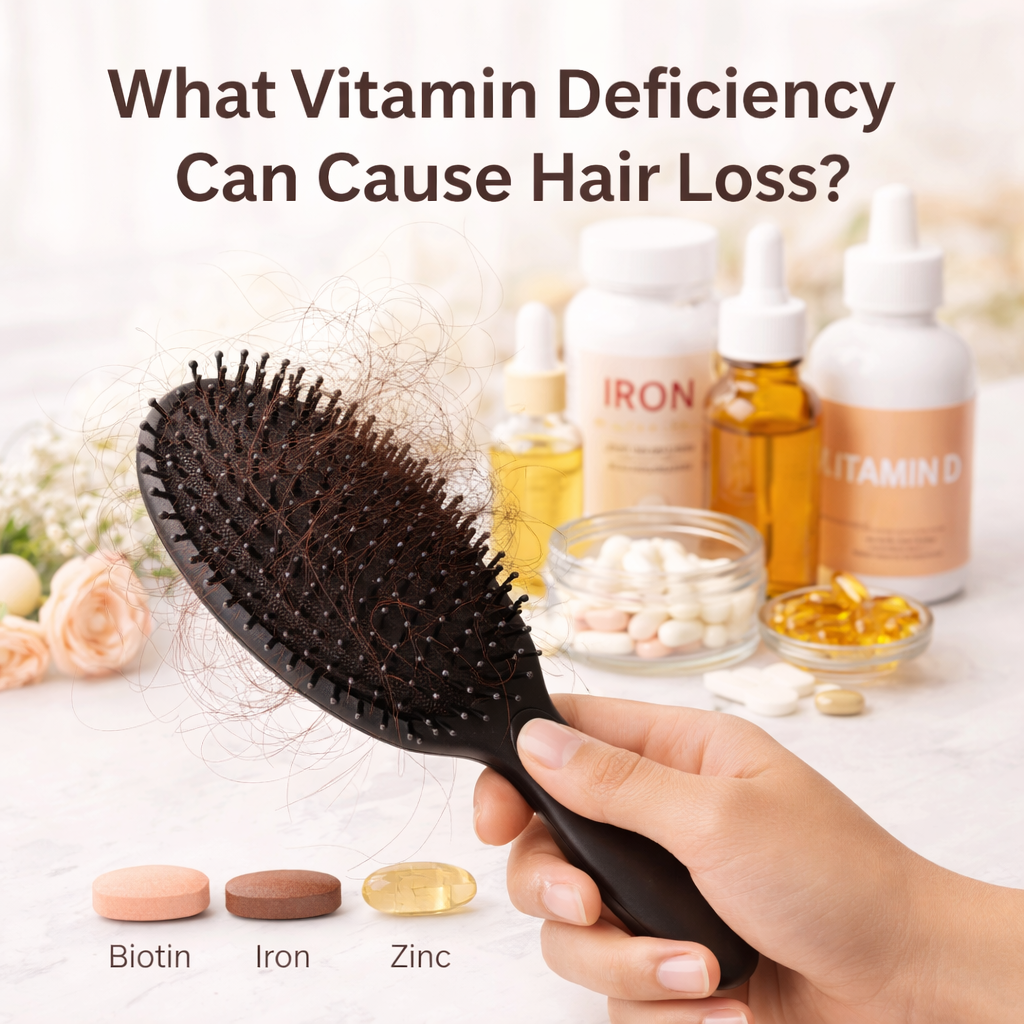
Many people wonder what vitamin deficiency causes hair loss. While several factors can affect hair growth, certain deficiencies are frequently linked to hair thinning.
Common deficiencies include:
- Vitamin D deficiency
- Iron deficiency
- Zinc deficiency
- Biotin deficiency
These nutrients support hair follicles, protein synthesis, and scalp circulation, which are all necessary for healthy hair growth.
If someone experiences persistent shedding, testing nutrient levels may help identify potential deficiencies.
Natural Foods That Help Support Hair Growth
Instead of relying entirely on supplements, it’s often helpful to focus on foods that naturally contain nutrients for hair growth.
Examples include:
Eggs
Rich in protein and biotin, eggs support keratin production.
Leafy greens
Spinach and kale contain iron and vitamin A, which help maintain scalp health.
Salmon
Provides omega-3 fatty acids that support hair density.
Nuts and seeds
Contain vitamin E and zinc, both important for stronger hair strands.
Citrus fruits
High in vitamin C, which helps support collagen production and iron absorption.
Eating a balanced diet with these foods can help support hair growth vitamins naturally.
Hair Growth Supplements People Often Use
Many people turn to best hair growth supplements when they want additional nutritional support.
These supplements often combine multiple nutrients such as:
- biotin
- vitamin D
- vitamin C
- zinc
- collagen
Examples include:
While supplements can support hair health, they work best when combined with a balanced diet and proper hair care routine.
Hair Care Tools That Improve Scalp Health
Supporting scalp circulation can also help improve hair growth conditions.
Some tools people include in their routine are:
Scalp massagers, which gently stimulate circulation and support scalp health.
Silk pillowcases, which reduce friction while sleeping and help prevent hair breakage.
These tools won’t replace hair growth vitamins, but they can help create a healthier environment for hair follicles.
Daily Hair Habits That Support Healthy Growth
Healthy hair growth also depends on everyday habits. Simple lifestyle changes can improve the strength and condition of hair over time.
Helpful habits include:
- reducing heat styling
- gentle brushing
- maintaining balanced nutrition
- managing stress levels
- massaging the scalp regularly
These habits work together with vitamins for hair health to support stronger hair strands.
How Long Do Hair Vitamins Take to Work?
Many people searching for do hair vitamins actually work expect fast results. However, hair growth is a slow biological process.
Most people begin noticing improvements within three to six months after correcting a nutrient deficiency or improving their hair routine.
Hair typically grows about half an inch per month, so patience and consistency are important.
Mistakes People Make When Taking Hair Vitamins
Some common mistakes include:
Taking excessive supplements
Ignoring overall diet
Expecting instant results
Stopping supplements too quickly
Even the best vitamins for hair growth need time to support hair follicles and healthy growth cycles.
Final Thoughts
If you’ve been wondering which vitamin is best for hair growth, the answer usually involves a combination of nutrients rather than a single supplement.
Biotin, vitamin D, vitamin C, iron, and zinc are among the most important vitamins for hair growth and thickness. Supporting your body with the right nutrients, maintaining a healthy diet, and caring for your scalp can all contribute to stronger, healthier hair.
With patience and consistent care, many people notice improvements in hair strength, shine, and overall growth.