
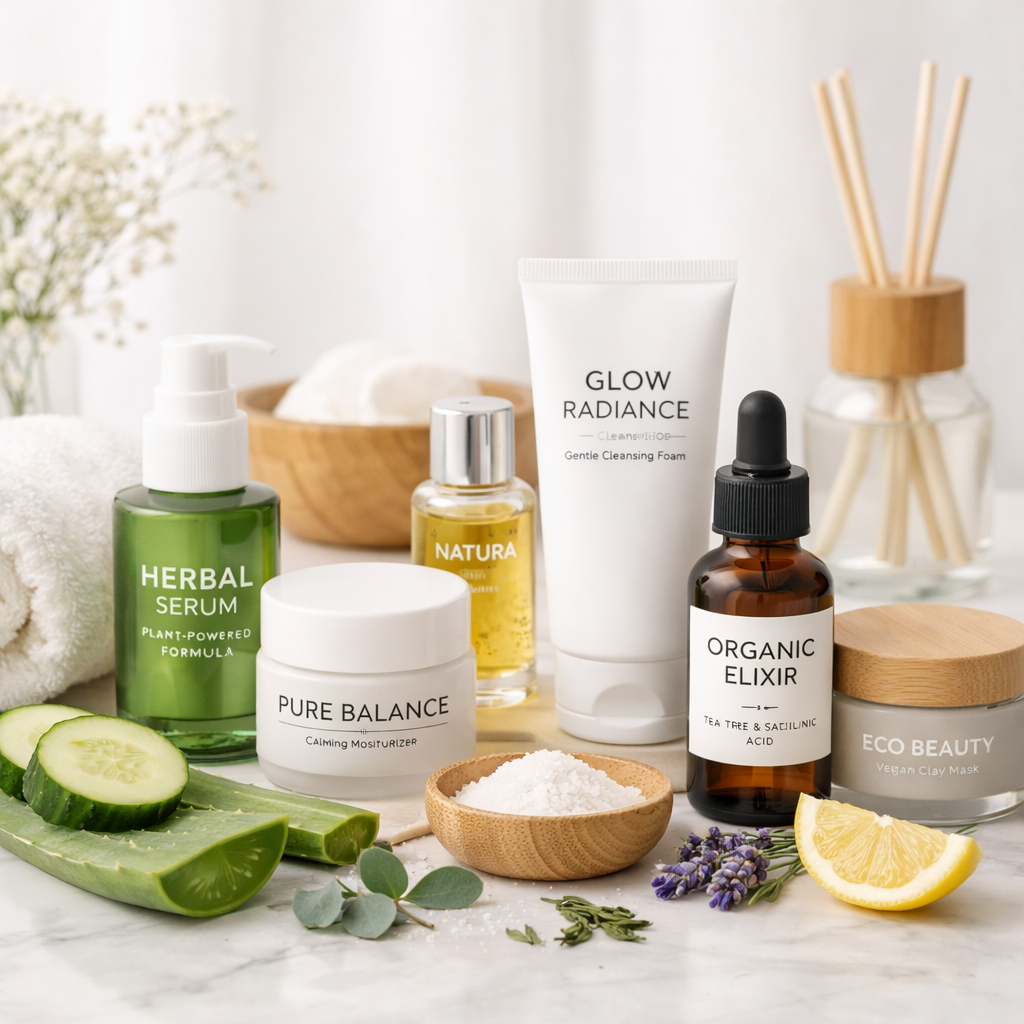
Switching to vegan skincare is no longer just a trend, it’s becoming a smarter, more conscious way to care for your skin. From plant-based skincare ingredients to eco-friendly beauty choices, more people are building routines that feel gentle, effective, and ethical.
Whether you’re a beginner or looking to upgrade your routine, this guide breaks down everything, from benefits and ingredients to a simple vegan skincare routine for glowing skin.
What Does Vegan Skincare Really Mean?
At its core, vegan skincare refers to products made without any animal-derived ingredients. This means no honey, beeswax, collagen, or lanolin, only plant-based ingredients and synthetic alternatives.
Many people confuse vegan skincare with cruelty-free skincare, but they are not the same. Vegan focuses on ingredients, while cruelty-free refers to testing practices.
In short:
- Vegan = no animal ingredients
- Cruelty-free = not tested on animals
Why Vegan Skincare Is Gaining Popularity
The rise of clean beauty and non-toxic formulations has made these options more appealing than ever.
Here’s why people are switching:
- Increased awareness of chemical-free skincare
- Demand for sustainable skincare and ethical sourcing
- Better options for sensitive and acne-prone skin
- Focus on skin barrier health and hydration
Many users also report fewer breakouts after switching to products made with gentle botanical formulas.
Vegan vs Cruelty-Free vs Clean Beauty
Understanding these terms helps you make smarter choices:
- Vegan skincare: No animal-derived ingredients
- Cruelty-free skincare: Not tested on animals
- Clean beauty: Focuses on safe, non-toxic ingredients
A product can be cruelty-free but not vegan, and vice versa.
Key Benefits of Vegan Skincare for Your Skin
Switching to a vegan skincare routine can improve your skin in several ways:
Gentle on Skin
Most plant-based skincare products avoid harsh irritants, making them ideal for sensitive skin.
Better Hydration
Ingredients like aloe vera and hyaluronic acid support deep skin hydration.
Rich in Antioxidants
Botanical extracts provide antioxidants that protect against dullness and damage.
Supports Skin Barrier
A consistent routine helps strengthen your skin barrier, reducing dryness and irritation.
Potential Downsides of Vegan Skincare
While there are many benefits, it’s important to stay realistic:
- Not all products are completely chemical-free
- Some formulas may still irritate sensitive skin
- Marketing terms like “natural” can be misleading
Always check ingredient lists instead of relying on labels alone.
Essential Vegan Skincare Routine (AM & PM)
A simple vegan skincare routine for beginners doesn’t need to be complicated. Here’s how to build one:
Morning Routine
1. Gentle Cleanser
Removes oil buildup and prepares your skin.
2. Hydrating Serum
Look for antioxidants like Vitamin C.
3. Moisturizer
Locks in hydration and supports skin repair.
4. Sunscreen (Must!)
Protects against UV damage.
Night Routine
1. Cleanser (Double cleanse if needed)
Removes makeup and dirt
2. Treatment Serum
Target acne, dullness, or dryness
3. Moisturizer
Repairs your skin overnight
Must-Have Vegan Skincare Products for Beginners
If you’re starting fresh, focus on these essentials:
These form the foundation of a simple routine for healthy, glowing skin.
Skincare Tools That Work Well with Vegan Products
Adding tools can enhance results and improve absorption:
- Facial cleansing brush
- Jade roller or gua sha
- Facial steamer
- LED light therapy mask
These tools pair well with vegan beauty products and boost effectiveness.
Ingredients to Avoid
Even if a product is vegan, avoid:
- Alcohol-heavy formulas
- Artificial fragrances
- Harsh preservatives
Focus on non-toxic skincare and skin-friendly ingredients
How to Read Skincare Labels Like an Expert
This is where most people get confused.
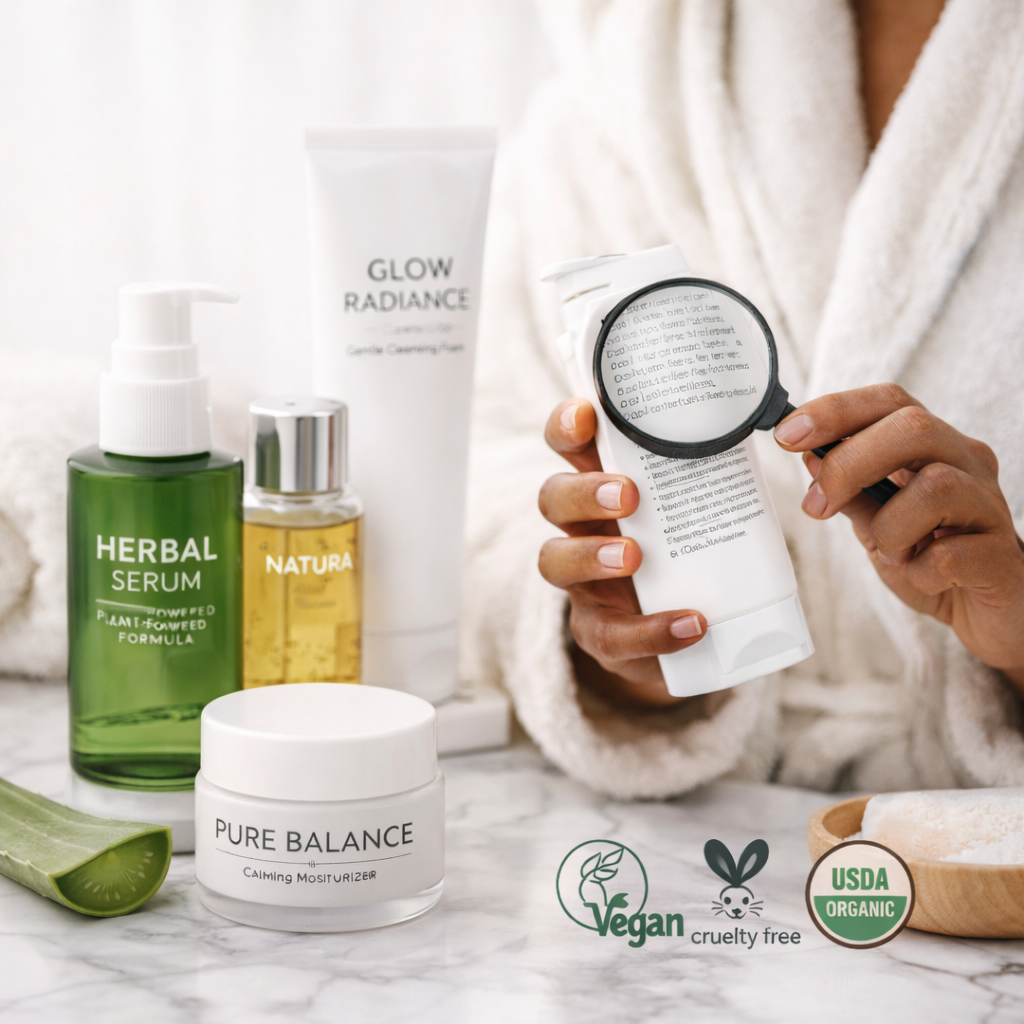
Check Ingredient Lists
Look for:
- Botanical extracts
- Vitamins for skin
- Hydrating compounds
Watch for Greenwashing
Terms like “natural” don’t always mean safe.
Look for Certifications
Trusted labels help confirm ethical beauty standards
Who Should Use Vegan Skincare?
This type of routine works best for:
- Sensitive skin
- Acne-prone skin
- People switching to eco-friendly skincare
- Anyone wanting a gentler skincare routine
Beginner Tips for Better Results
- Start simple (don’t over-layer products)
- Patch test new products
- Stay consistent
- Choose products based on your skin type
FAQs
Is better for acne?
It can help, especially if your skin reacts to harsh chemicals.
Does vegan mean organic?
No. Vegan means no animal ingredients, not necessarily organic.
Is it effective?
Yes, especially when formulated with active plant-based ingredients.
Final Thoughts
Switching to vegan skincare is a simple way to care for your skin while making more conscious choices. Start with a basic routine, choose quality products, and stay consistent for the best results.