
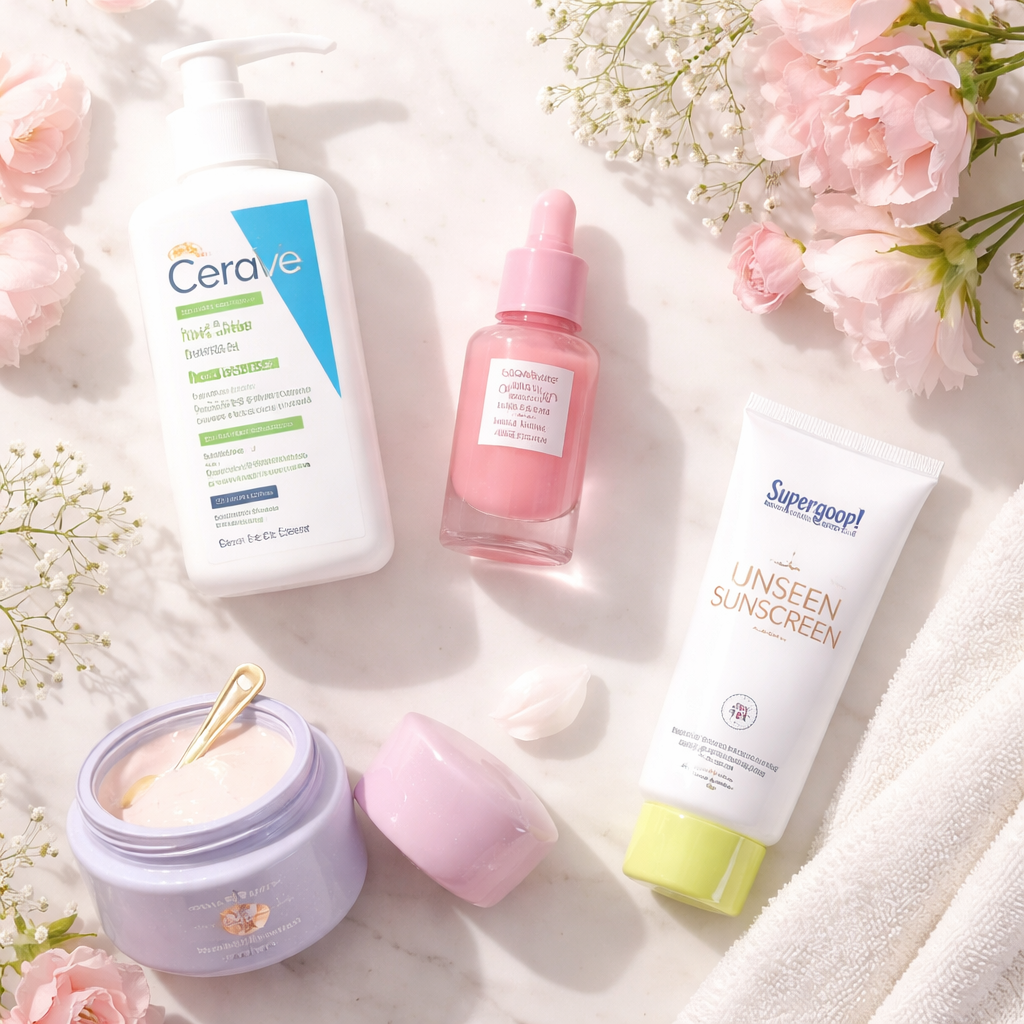
If you’ve been thinking about switching to cruelty free face care, you’re not alone. More people are choosing skincare that feels good and does good, without animal testing or harsh ingredients.
The best part? Building a cruelty free skincare routine doesn’t have to be complicated. With the right steps and products, you can create a routine that supports your skin barrier, boosts hydration, and gives you that natural glow.
What Is Cruelty Free Face Care?
Cruelty free skincare means products are not tested on animals at any stage, from ingredients to final formulation.
But here’s where it gets important:
- Not all “clean” or “natural skincare” is cruelty-free
- Certifications like Leaping Bunny or PETA-approved matter
- Some brands may still sell in markets where testing is required
That’s why understanding labels is key when building your cruelty free face care routine
Cruelty Free vs Vegan Skincare (Don’t Confuse These)
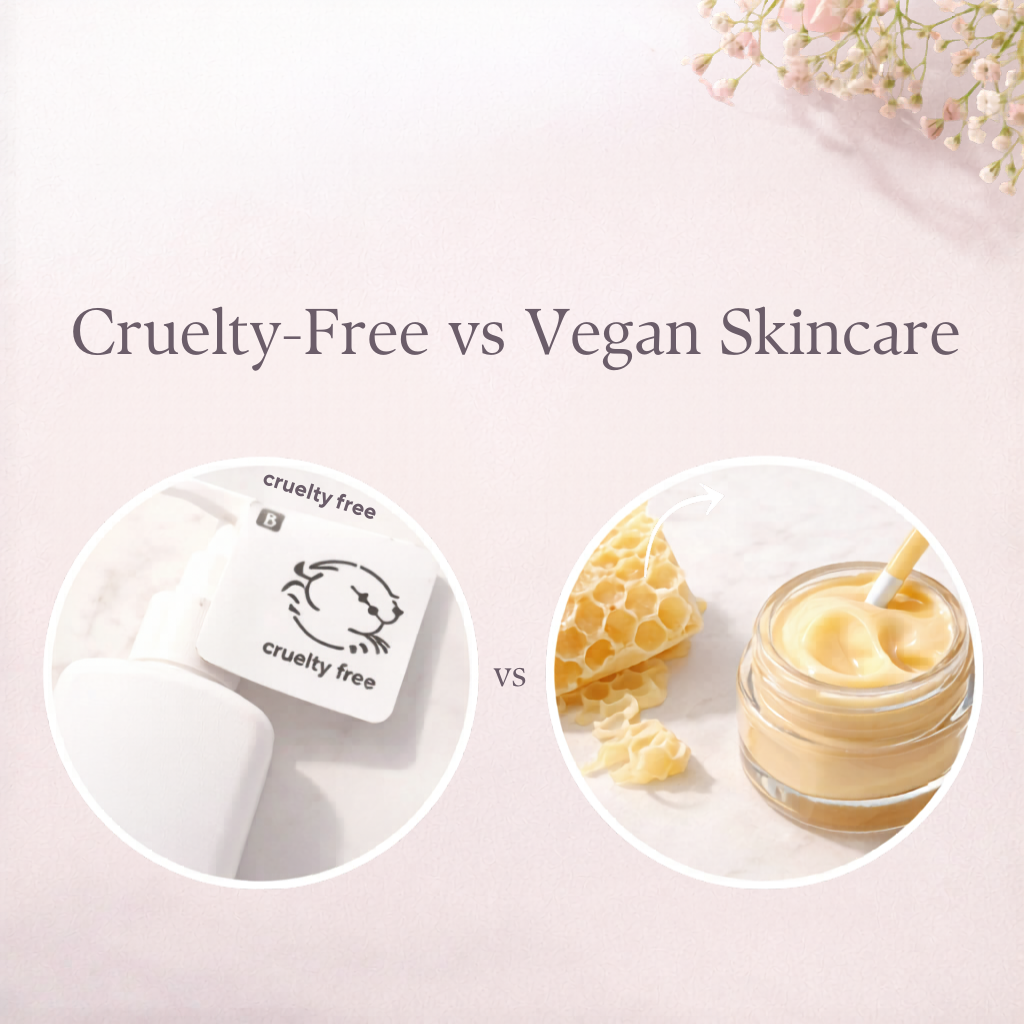
This is one of the most searched questions:
- Cruelty-free = no animal testing
- Vegan skincare = no animal-derived ingredients
A product can be cruelty-free but not vegan (for example, it may contain beeswax). For a fully ethical routine, many people prefer both.
Why Switching to Cruelty Free Skincare Improves Your Routine
A lot of cruelty free skincare products focus on gentle, skin-friendly ingredients like:
- Aloe vera (soothing)
- Vitamin C (brightening)
- Hyaluronic acid (hydration)
- Green tea extract (anti-inflammatory)
These ingredients support:
- A stronger skin barrier
- Reduced irritation
- Healthier, glowing skin
Especially helpful if you have sensitive or acne-prone skin.
How to Tell If Your Skincare Is Truly Cruelty Free
Before buying any product, look for:
- Leaping Bunny certification
- PETA cruelty-free logo
- Clear brand transparency
Avoid:
- “Not tested on animals” (without certification)
- Brands with unclear policies
- Misleading marketing claims
Step-by-Step Cruelty Free Face Care Routine
This is where everything comes together
Step 1 – Gentle Cleanser
Cleansing removes dirt, oil, and buildup without stripping your skin.
Look for:
- Sulfate-free formulas
- Non-comedogenic ingredients
- Hydrating base
Tip: Cleanse twice at night if you wear makeup.
Step 2 – Hydrating Toner
Toners help rebalance your skin and prep it for serums.
Best ingredients:
- Rose water
- Aloe vera
- Glycerin
This step is often skipped, but it makes your routine more effective
Step 3 – Treatment Serum
Serums target specific concerns like dullness, acne, or uneven tone.
Popular options:
- Vitamin C → brightening
- Niacinamide → oil control
- Hyaluronic acid → hydration
Step 4 – Moisturizer
Moisturizing locks in hydration and strengthens your skin barrier.
Look for:
- Lightweight gel (oily skin)
- Cream-based (dry skin)
Step 5 – Sunscreen (Morning Only)
SPF is essential, even if your skincare is perfect.
Choose:
- Mineral sunscreen (gentle option)
- Broad-spectrum protection
This step prevents premature aging and protects your skin long-term.
Tools That Upgrade Your Cruelty Free Skincare Routine
These tools can elevate your routine and improve results:
- Jade rollers → reduce puffiness
- Ice rollers → calm inflammation
- Facial cleansing brushes → deeper cleansing
Use tools 2 to 3 times a week for best results.
How to Build a Routine for Your Skin Type
Oily Skin
- Use gel cleansers
- Choose oil-free moisturizers
Dry Skin
- Focus on hydration
- Use cream-based products
Sensitive Skin
- Stick to minimal ingredients
- Avoid fragrances
Acne-Prone Skin
- Look for non-comedogenic products
- Add niacinamide or salicylic acid
Common Mistakes to Avoid
- Assuming “natural” = cruelty-free
- Skipping sunscreen
- Overloading your routine with products
- Not checking certifications
Quick Morning vs Night Routine
Morning Routine:
- Cleanser
- Toner
- Serum
- Moisturizer
- SPF
Night Routine:
- Cleanser (double cleanse if needed)
- Toner
- Treatment serum
- Moisturizer
FAQs About Cruelty Free Face Care
Is cruelty-free skincare better for your skin?
Yes, many formulas focus on gentle, non-toxic ingredients that support skin health.
Can cruelty-free skincare help acne?
Absolutely. Many products include ingredients like niacinamide and tea tree oil.
Are cruelty-free products expensive?
Not always, there are many affordable cruelty free face products available.
Final Thoughts
Switching to cruelty free face care is one of the simplest ways to upgrade your skincare routine while making more conscious choices.
Start small, stay consistent, and focus on what your skin truly needs, your glow will follow naturally.