
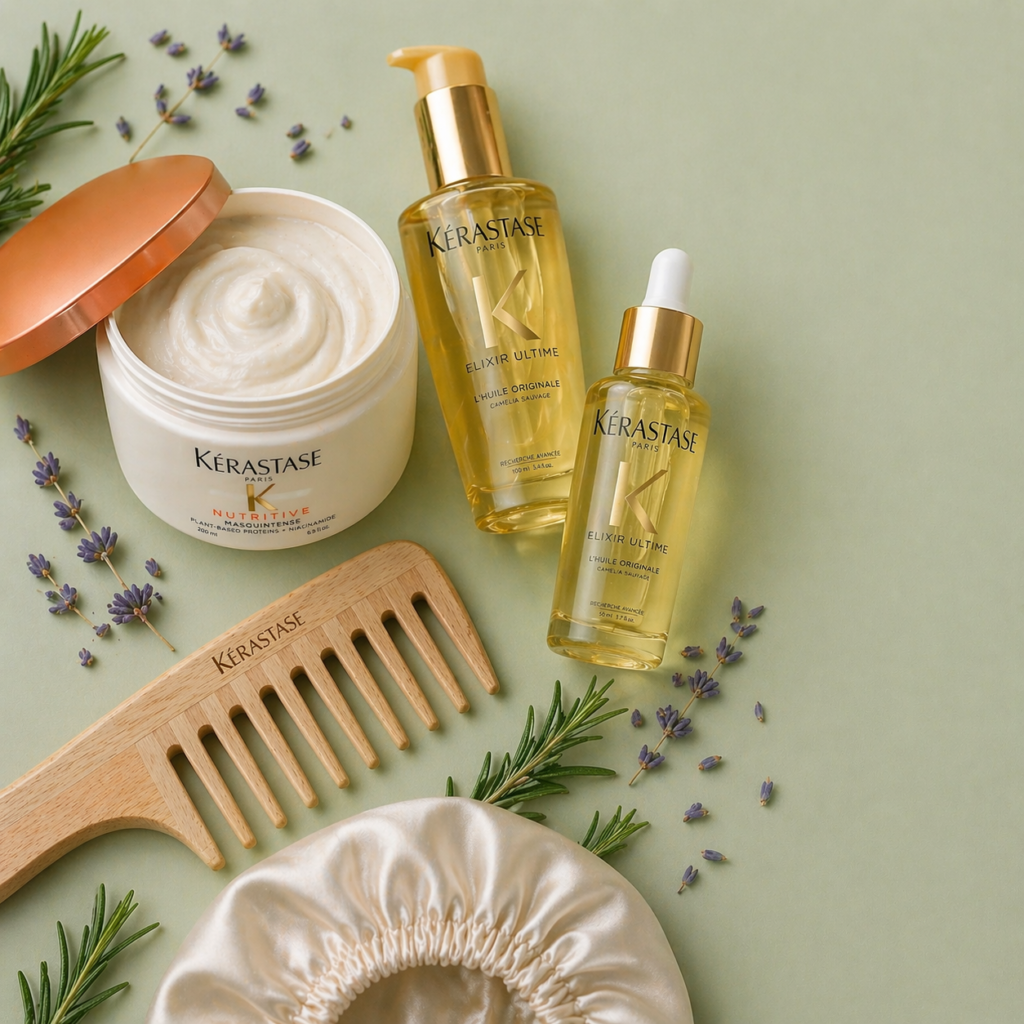
Here’s the deal — your conditioner is not doing enough, and your hair knows it. A hair mask is a deep-conditioning treatment packed with concentrated ingredients that penetrate the hair shaft in ways a rinse-out conditioner simply cannot. Most people skip this step entirely or grab whatever is on sale, and then wonder why their strands still feel dry and brittle.
I’ve tested dozens of formulas, read the research, and built a routine that actually works. This guide covers everything from the science behind how masks work to a step-by-step protocol you can use this weekend. I particularly love the SheaMoisture Manuka Honey and Yogurt Hydrate + Repair Protein-Strong Hair Masque as a starting point — it delivers both protein and moisture without weighing hair down.
How Hair Masks Work
Let’s look at the chemistry. Your hair strand has three layers — the medulla at the core, the cortex in the middle, and the cuticle on the outside. Heat, color, and daily styling all lift and chip away at that outer cuticle, leaving the cortex exposed and vulnerable to moisture loss.
Hair masks use high concentrations of humectants, emollients, and proteins to fix that damage. Humectants like glycerin pull water into the shaft. Emollients like shea butter seal the cuticle flat. Proteins like hydrolyzed keratin patch micro-cracks in the cortex.
Because masks sit on the hair for 10 to 30 minutes, those ingredients get real time to absorb. Think of it as giving your strands a slow, thorough drink rather than a quick splash. From follicle to tip, a quality mask changes the structural integrity of each strand over consistent use.
The Role of Heat During Treatment
Heat opens the cuticle and lets actives absorb faster. Even wrapping your hair in a warm towel makes a difference. However, you don’t need a salon dryer to see results — a simple shower cap traps your body heat effectively.
Protein vs. Moisture Masks — What’s the Difference?
Protein masks rebuild structure. Moisture masks restore softness and elasticity. Using the wrong one for your hair type can cause stiffness or limpness. As a result, knowing your hair’s current protein-moisture balance is the single most important factor in choosing a mask.
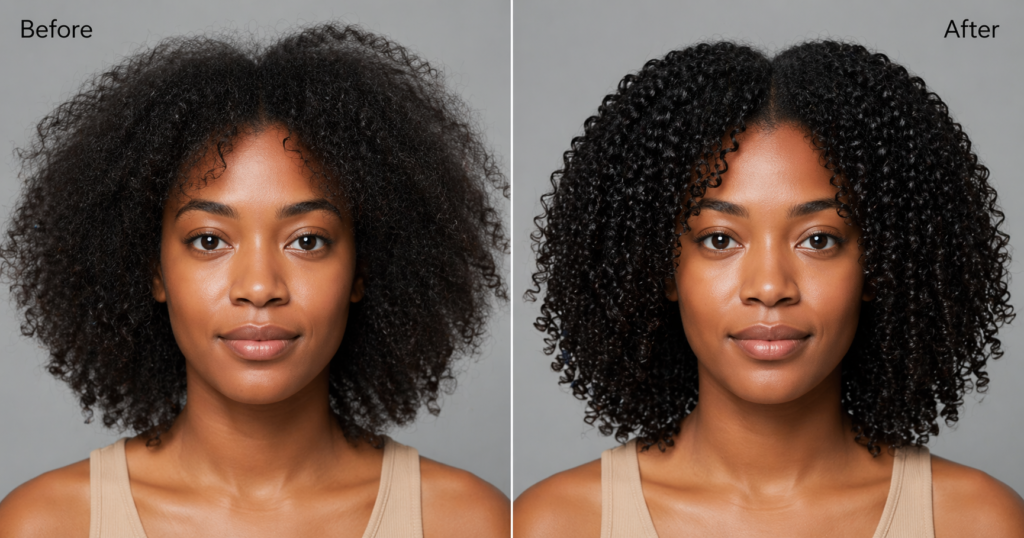
Before and After: What to Expect
Here’s a quick Routine Audit showing what changes when you add a weekly hair mask to your existing wash-day routine.
| Hair Concern | Before Masking | After 4 Weeks of Masking |
|---|---|---|
| Frizz | High — cuticles raised and rough | Noticeably reduced — cuticles lie flat |
| Breakage | Frequent mid-strand snapping | Stronger strands, less shedding while combing |
| Shine | Dull, light-scattering surface | Smooth, reflective finish |
| Moisture Retention | Feels dry within 24 hours after washing | Softness lasts 3–4 days |
| Detangling Ease | Rough, high-friction combing | Smooth, low-resistance combing |
Four weeks is the honest timeline. One mask session feels great, but real structural change takes consistent effort. However, even your first session will show a visible improvement in shine and slip.
The Protocol
Follow these steps on wash day for the best results. Consistency beats intensity every single time.
- Start on clean, damp hair. Shampoo first — applying a mask to dirty hair means the product can’t fully penetrate. Squeeze out excess water so your hair is damp, not dripping.
- Section your hair into four quadrants. This ensures even product distribution from root to tip. Clip each section and work through one at a time, applying mask generously with your fingers or a wide-tooth comb.
- Apply mask from mid-length to ends first. This is where damage concentrates. Work product toward the roots last, and only if your scalp is dry — healthy scalps don’t need mask treatment.
- Seal with heat for 20 minutes. Use a Thermal Heat Cap for Deep Conditioning — rechargeable cordless microwavable cap to trap your body heat evenly across the hair. Set a timer and relax. This step makes the biggest difference in absorption.
- Rinse with cool water. Cool water closes the cuticle back down and locks in everything you just applied. Finish with a light leave-in or oil to seal the cuticle completely.
- Repeat weekly or bi-weekly. High-porosity, color-treated, or heat-damaged hair benefits from weekly masking. Low-porosity or fine hair does better every two weeks to avoid buildup.
Drugstore Gems vs. Salon Standards
| Feature | Drugstore Pick | Salon/Professional |
|---|---|---|
| Price range | $5 – $15 | $25 – $60+ |
| Active ingredients | Shea butter, glycerin, basic proteins | Keratin peptides, ceramides, bond builders |
| Texture | Thick and creamy, rich lather | Lightweight to ultra-rich depending on line |
| Best for | General moisture and shine maintenance | Serious damage repair, chemical treatments |
| Recommended pick | SheaMoisture Manuka Honey Masque | Olaplex No. 8 Bond Intense Moisture Mask |
| Protein content | Low to moderate | Moderate to high, often bond-building |
| Fragrance level | Usually high fragrance | Often low fragrance or fragrance-free |
| Verdict | Great starting point for most hair types | Worth the splurge post-color or heat damage |
Porosity Check — Which Mask Formula Is Right for You?
Porosity tells you how easily your hair absorbs and holds moisture. This determines which mask texture and ingredients will actually work for you.
Low Porosity — Hair resists moisture absorption. Cuticles lie very flat. Look for lightweight liquid masks with humectants like aloe vera and glycerin. Use heat every time you mask. Avoid heavy butters and proteins, which sit on top rather than absorbing.
Medium Porosity — Hair absorbs and retains moisture well. Most masks work. Rotate between a protein mask and a moisture mask every other week to keep the balance stable.
High Porosity — Hair absorbs moisture fast but loses it just as fast. Look for masks rich in protein, ceramides, and heavy emollients like shea or mango butter. Use a cool rinse and seal immediately with an oil.
Quick Float Test: Drop a clean strand of hair into a glass of water. Sinks fast — high porosity. It floats for several minutes — low porosity. It sinks slowly — medium porosity. Results are not always conclusive but give you a useful starting point.
Frequently Asked Questions
How often should I use a hair mask?
Most people do well with a weekly or bi-weekly mask. If your hair is fine or low porosity, weekly masking can cause buildup — every two weeks is smarter. Color-treated or heat-styled hair needs more frequent treatment. Listen to how your strands feel rather than following a rigid schedule.
Can I leave a hair mask on overnight?
You can, but longer isn’t always better. Most masks max out their absorption in 30 minutes. Leaving protein masks on overnight can cause brittleness and breakage. If you want an overnight treatment, choose a lightweight moisture mask or a dedicated overnight hair oil instead.
Is a hair mask the same as a deep conditioner?
They’re close but not identical. Deep conditioners focus on moisture and slip. Hair masks often include higher concentrations of proteins, ceramides, or bond-building actives that target structural repair. In practice, many products blur the line — check the ingredient list rather than the label name.
Do hair masks work on a dry scalp?
A hair mask targets the hair shaft, not the scalp. Applying mask directly to your scalp can clog follicles and cause buildup. For a dry, flaky scalp, look for a dedicated scalp treatment with ingredients like salicylic acid or tea tree oil — a completely different product category.
The Amber Verdict
Here’s the bottom line: a hair mask is the single most under-used step in most people’s wash-day routine, and it costs almost nothing to fix that. Start with a moisture mask, nail your porosity type, and give it four consistent weeks before judging results. Pin this so you actually come back to it on wash day.