
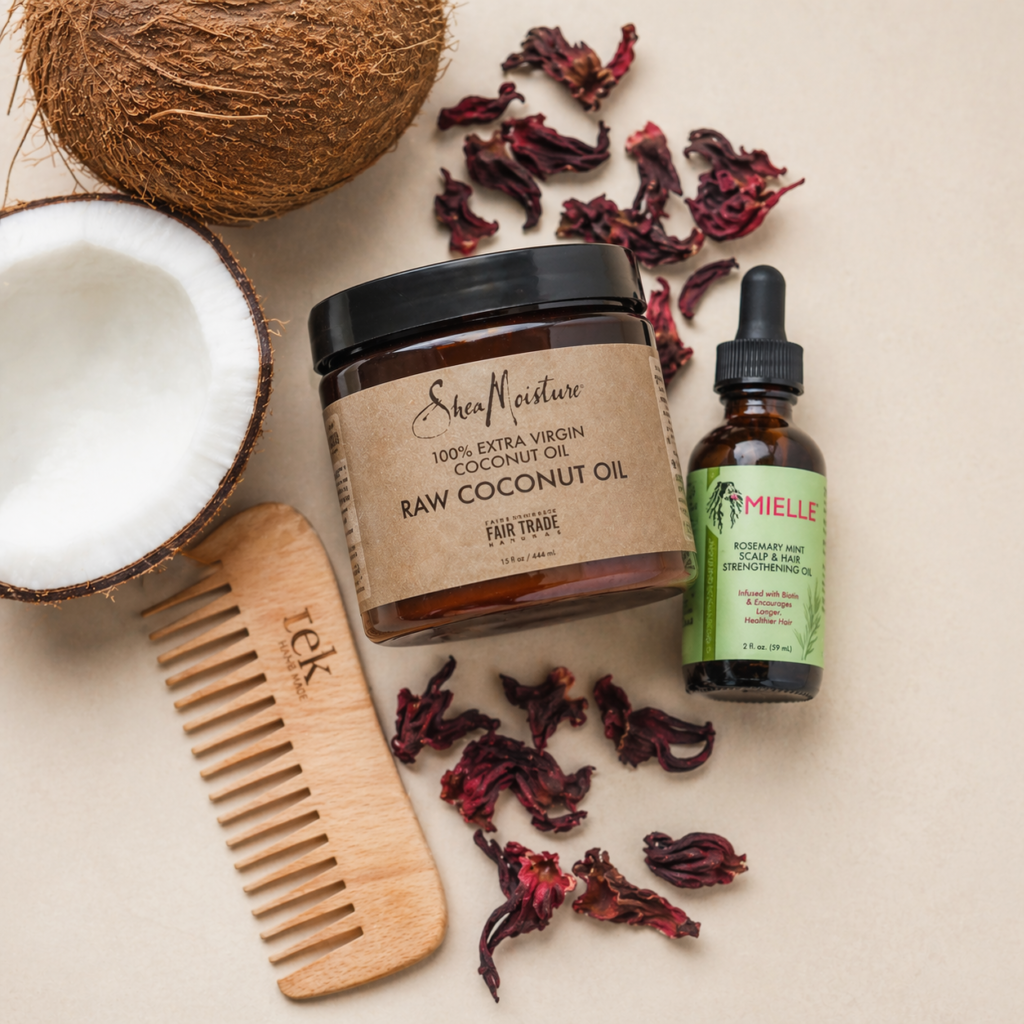
Here’s the deal, not every ingredient your grandmother swore by actually holds up under a microscope, but coconut oil for hair absolutely does. Decades of peer-reviewed research confirm it reduces protein loss better than both mineral oil and sunflower oil. I’ve been testing it for years, and when you use it correctly, the results go from follicle to tip. My starting point for any client experiment is the Viva Naturals Organic Extra Virgin Coconut Oil, cold-pressed and unrefined, because purity genuinely matters here. However, using it wrong, too much, on the wrong hair type, will leave you with a greasy disaster. Let’s look at the chemistry before we touch a single strand.
How Coconut Oil Works
Coconut oil is primarily lauric acid, a medium-chain fatty acid with a straight molecular structure. Because of this unique shape, it actually penetrates the hair shaft instead of just coating the surface. Most other oils just sit on top. That’s the key difference.
This means that when lauric acid slips inside the cortex, it reduces the amount of water your hair absorbs during washing. In other words, less swelling, less friction, and far less breakage. Furthermore, this internal conditioning effect is what makes coconut oil genuinely different from a standard leave-in conditioner.
However, not every hair type processes it the same way. Low porosity hair — tightly sealed cuticles, can struggle to absorb it at all. As a result, those strands end up with heavy buildup instead of softness. I’ll show you how to work around that in the protocol below.
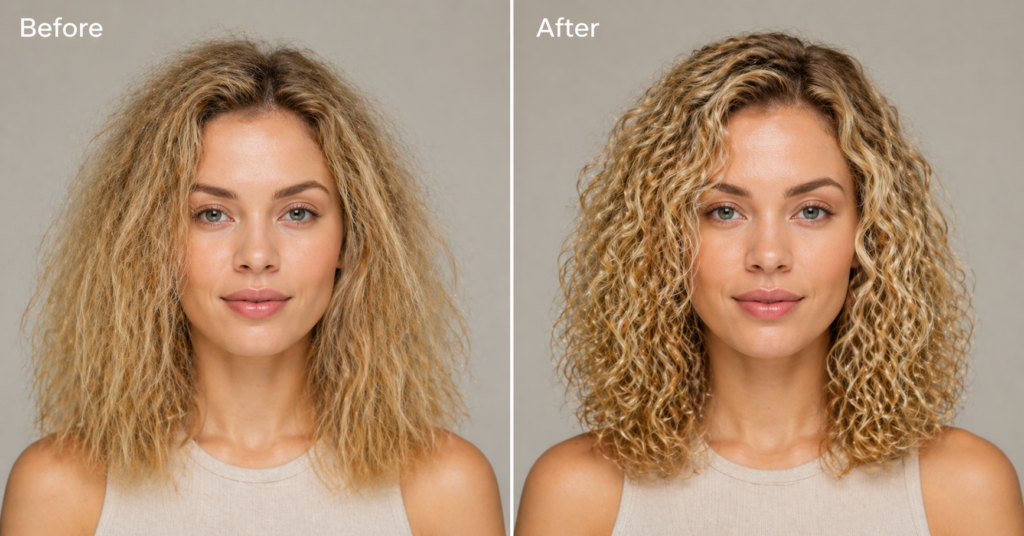
Before and After: What to Expect
| Feature | Before (Common Mistake) | After (Optimized Approach) |
|---|---|---|
| Application timing | Applied to dry hair right before washing, left 5 minutes | Applied 30 minutes to overnight before shampooing |
| Product choice | Refined, bleached coconut oil with additives | Cold-pressed, unrefined extra virgin coconut oil |
| Application method | Piled on roots and scalp in large amounts | Focused on mid-lengths and ends, light touch at roots |
| Frequency | Used daily as a leave-in styler | Used as a pre-wash treatment once or twice per week |
| Hair type matching | Same approach used on every hair type | Porosity tested first, method adjusted accordingly |
| Rinse method | Rinsed with water only, leaving residue | Shampooed twice with a clarifying or sulfate shampoo |
| Result | Greasy roots, limp strands, product buildup | Noticeably softer ends, reduced breakage, healthy shine |
The Protocol
First, check your hair porosity before anything else. Drop one clean strand into a glass of water, if it sinks fast, you have high porosity hair that absorbs oil easily. If it floats for a long time, you have low porosity hair and need heat to open the cuticle first.
Next, warm two to three tablespoons of unrefined coconut oil in your palms until it melts completely. For low porosity hair, microwave it for five seconds and apply it while slightly warm. This helps the lauric acid penetrate instead of just sitting on the cuticle.
Then, section your hair and apply the oil from mid-shaft to ends only. Most importantly, avoid saturating your roots, your scalp already produces sebum, and overloading it causes buildup and potential folliculitis.
Next, cover your hair with a Thermal Heat Cap, rechargeable and cordless for deep conditioning treatments for 20 to 30 minutes. The gentle heat opens the cuticle and dramatically increases lauric acid absorption. For high porosity hair, you can skip the cap and go straight to an overnight treatment instead.
Finally, rinse thoroughly and follow with two rounds of shampoo. One wash won’t remove coconut oil fully — residue is the number one reason people write off this ingredient forever.
Drugstore Gems vs. Salon Standards
| Feature | Drugstore Pick | Salon Professional |
|---|---|---|
| Product purity | Refined coconut oil, deodorized and bleached, some nutrients stripped | Cold-pressed, unrefined, single-origin coconut oil, full lauric acid content intact |
| Texture | Thinner, more liquid at room temperature, easier to over-apply | Firmer, waxier texture, melts slowly and gives more application control |
| Scent | Neutral or faintly chemical, deodorization removes the coconut scent | Natural mild coconut aroma, no synthetic fragrance added |
| Price per oz | Around $0.30 to $0.50 per ounce, very budget friendly | $1.00 to $2.50 per ounce, higher cost, but smaller amounts needed |
| Best for | First-timers experimenting with pre-wash treatments on a budget | Nutiva Organic Virgin Coconut Oil, cold-pressed, 15oz, best for high porosity or chemically treated hair |
| Availability | CVS, Walgreens, Target, easy to grab anytime | Online or specialty beauty retailers, worth ordering in bulk |
Frequently Asked Questions
Can I use coconut oil on color-treated hair?
Yes, and it’s actually a smart move. However, apply it as a pre-color treatment rather than after. Research shows it reduces protein loss during chemical processing. That said, always do a strand test first, some color-treated hair has very high porosity and absorbs too much, leading to a heavier feel post-treatment.
Why does coconut oil make my hair feel stiff?
Because you likely used too much or didn’t shampoo it out properly. A quarter-sized amount is genuinely enough for shoulder-length hair. Furthermore, if one shampoo round doesn’t cut it, do a second pass, concentrate on the mid-lengths and ends where the oil was applied most heavily.
How often should I use coconut oil for hair growth?
There’s no direct clinical evidence linking coconut oil to faster growth. In other words, it won’t grow new hair, but it significantly reduces breakage. As a result, your existing length retains better over time. Once or twice per week as a pre-wash treatment is the sweet spot for most hair types.
Is coconut oil safe for low porosity hair?
It can work, but heat is non-negotiable for this hair type. Without heat, lauric acid can’t penetrate sealed cuticles and just builds up on the surface. Therefore, always use a heat cap or sit under a hooded dryer. In addition, reduce frequency to once a week max and clarify monthly to keep buildup from accumulating.
The Amber Verdict
Coconut oil for hair is one of the few old-school remedies with real peer-reviewed science behind it, but it’s also one of the most misused products in any bathroom cabinet. Use it as a pre-wash treatment, match your method to your porosity, and shampoo it out properly. Pin this so you’ve always got the protocol handy.