
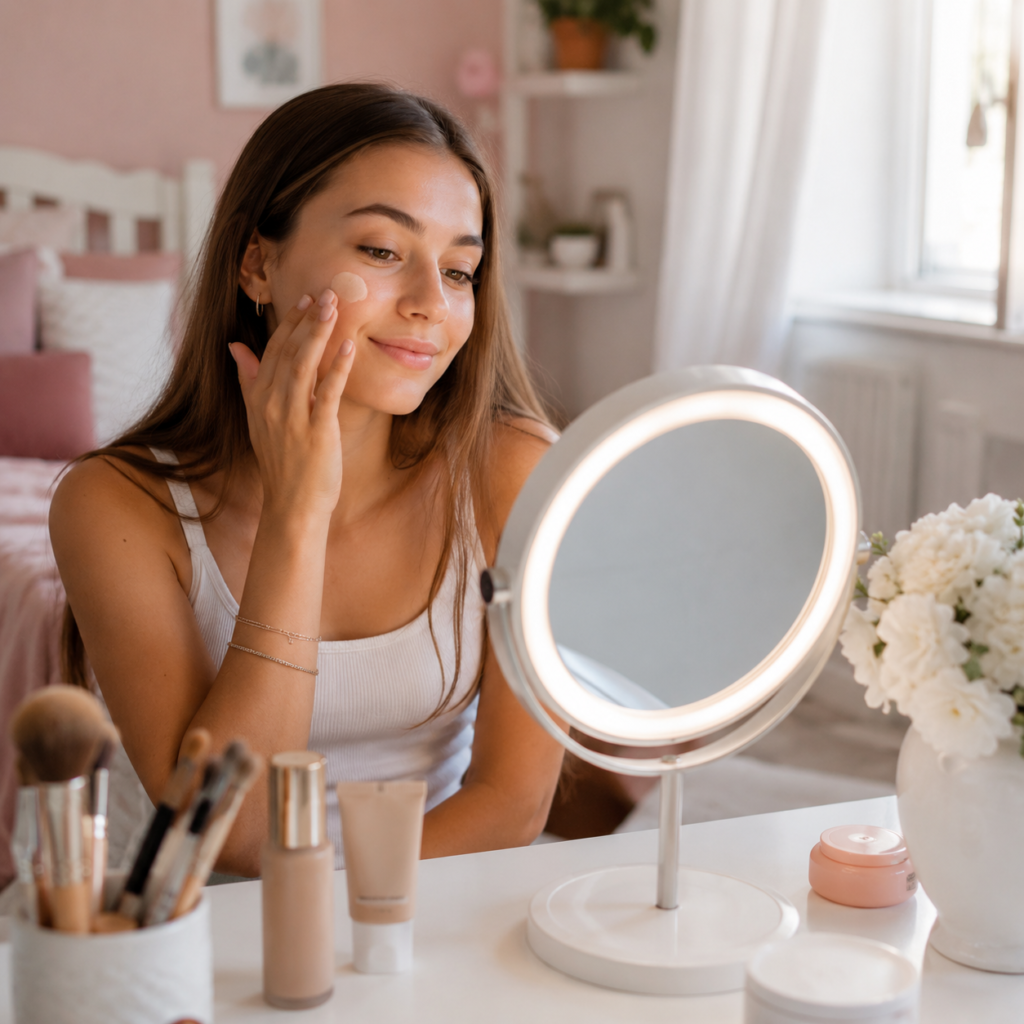
Teenagers today have more access to beauty inspiration than ever before. From TikTok tutorials to Pinterest boards, it’s easy to feel inspired, but it’s also easy to feel overwhelmed by countless products and trends. If you’re just starting out, the good news is that makeup for teens doesn’t have to be complicated. The best routines are simple, natural, and designed to enhance your features while keeping your skin healthy.
Whether you’re looking for an easy school makeup look, creating your first teen makeup routine, or shopping for beginner makeup products, this guide covers everything you need to know. You’ll learn how to choose products based on your skin type, apply makeup in the correct order, avoid common mistakes, and build a budget-friendly collection you’ll actually use.
Is Makeup Safe for Teenagers?
Yes—when used correctly, makeup is generally safe for teenagers. The key is choosing gentle, lightweight products that suit your skin and following healthy skincare habits.
Teen skin is often more sensitive because hormones can increase oil production and cause occasional breakouts. Instead of reaching for heavy foundation or full-coverage products, focus on lightweight formulas that let your natural skin shine through.
A good beginner makeup routine should always start with healthy skin. Makeup works best when your skin is clean, moisturized, and protected with sunscreen.
Some important habits include:
- Wash your face before applying makeup.
- Use non-comedogenic products if you’re acne-prone.
- Remove makeup every night before bed.
- Replace old makeup regularly.
- Clean brushes and beauty sponges often.
The goal isn’t to completely change your appearance, it’s to boost confidence while keeping your skin healthy.
Understanding Your Skin Before Buying Makeup
Before purchasing products, learn what your skin needs. The best makeup for teenage girls depends on skin type more than trends.
Oily Skin
If your face becomes shiny by lunchtime, choose lightweight products with oil-control formulas. A translucent powder can reduce excess shine without looking cakey.
Dry Skin
Dry skin benefits from hydrating products such as tinted moisturizer, cream blush, and nourishing lip balm. Avoid matte formulas that may emphasize dry patches.
Combination Skin
Many teenagers have combination skin, where the forehead and nose become oily while the cheeks stay dry. Lightweight, buildable products work best.
Sensitive Skin
If your skin reacts easily, look for fragrance-free makeup and always patch-test new products before using them all over your face.
Acne-Prone Skin
Acne doesn’t mean you have to skip makeup. Choose lightweight, non-comedogenic formulas and avoid sleeping in makeup. Gentle cleansing is just as important as choosing the right concealer.
The Best Makeup Products for Beginners
Starting with a small collection helps you learn proper application without spending too much money. Instead of buying everything at once, focus on versatile essentials.
Face
A tinted moisturizer offers light coverage while allowing freckles and natural skin texture to show. It’s an excellent alternative to heavy foundation for everyday makeup.
Concealer can brighten under the eyes or cover occasional blemishes without applying product across your whole face.
Cream blush creates a fresh, healthy glow that looks more natural than powder formulas.
Eyes
Mascara instantly makes eyes appear brighter and more awake.
A clear or tinted brow gel keeps eyebrows neat while maintaining a soft, natural appearance.
Lips
Tinted lip balm or lip gloss adds moisture and subtle color without requiring perfect application.
Optional Extras
As your confidence grows, you may want to experiment with light eyeshadow, highlighter, or setting spray.
The Correct Order to Apply Makeup
Many beginners wonder, “What comes first?” Following the right order creates a smoother finish while helping products last longer.
Step 1: Cleanse
Wash your face using a gentle cleanser to remove dirt and oil.
Step 2: Moisturize
Hydrated skin creates a smoother canvas for makeup.
Step 3: Sunscreen
Daily SPF protects your skin from UV damage—even on cloudy days.
Step 4: Tinted Moisturizer
Apply a small amount using clean fingers, a beauty sponge, or a brush.
Step 5: Concealer
Use only where needed under the eyes or on blemishes.
Step 6: Cream Blush
Blend onto the apples of your cheeks for a healthy, youthful glow.
Step 7: Brows
Brush brows upward with clear brow gel.
Step 8: Mascara
Apply one or two light coats to define lashes naturally.
Step 9: Lips
Finish with tinted lip balm or lip gloss.
This easy routine creates an effortless everyday makeup look suitable for school, family gatherings, or casual outings.
Easy 5-Minute Makeup Routine for School
School makeup should feel comfortable and natural rather than dramatic.
A simple routine includes:
- Tinted moisturizer
- Concealer (only where needed)
- Cream blush
- Mascara
- Lip balm
These few products create a polished appearance while still looking like yourself.
If you’re running late, focus on skincare first. Healthy skin always makes makeup look better.
Everyday Makeup vs. Party Makeup
Not every occasion calls for the same routine.
For school or everyday activities, choose lightweight coverage, neutral shades, and soft lips.
For birthdays, family celebrations, or special occasions, you can add subtle shimmer, slightly more defined lashes, or a soft eyeshadow without going overboard.
The goal is adapting your look while keeping it age-appropriate and comfortable.
Makeup Trends Teens Should Skip
Social media often promotes dramatic makeup styles that aren’t practical for beginners.
Some trends are fun to experiment with, but everyday routines don’t require heavy contouring, thick false lashes, excessive powder, or overdrawn lips.
Instead, focus on enhancing your natural features with lightweight makeup. A fresh complexion, fluffy brows, healthy skin, and soft lips never go out of style.
The best beauty routine is one that makes you feel confident, not one that follows every trend.
Makeup Habits That Keep Skin Healthy
A beautiful makeup look starts long before you apply mascara or lip gloss. Healthy skin creates the perfect base for everyday makeup, helps products blend more smoothly, and reduces the chance of clogged pores or irritation.
Developing good beauty habits now will benefit your skin for years to come.
Never Sleep in Makeup
Even lightweight makeup can trap oil, dirt, and sweat if it’s left on overnight. This can lead to clogged pores, breakouts, and dull-looking skin. Make it a habit to remove makeup before bed, even if you’ve had a long day.
Clean Your Makeup Brushes
Dirty brushes collect oil, bacteria, and leftover product that can transfer back onto your skin.
Aim to:
- Wash foundation and concealer brushes once a week.
- Clean eye brushes every one to two weeks.
- Replace beauty sponges every few months.
Regular cleaning helps your makeup apply more evenly while supporting healthier skin.
Don’t Share Makeup Products
Sharing mascara, lip gloss, or eyeliner may seem harmless, but it can spread bacteria and increase the risk of eye or skin infections. It’s always best to keep personal makeup products to yourself.
Check Expiration Dates
Makeup doesn’t last forever.
General guidelines include:
- Mascara: 3 months
- Liquid foundation: 12 months
- Concealer: 12 months
- Lip products: 12 to 24 months
- Powder products: up to 2 years
Replacing products on time keeps your makeup routine safer and more hygienic.
Mistakes Nearly Every Beginner Makes
Everyone makes mistakes while learning makeup. Fortunately, they’re easy to fix.
Buying Too Many Products
Social media often makes it seem like you need dozens of products to create a beautiful look.
In reality, a beginner only needs a few essentials:
- Tinted moisturizer
- Concealer
- Cream blush
- Mascara
- Brow gel
- Lip balm or lip gloss
You can always expand your collection later.
Choosing the Wrong Shade
Foundation or concealer that doesn’t match your skin tone stands out immediately.
Whenever possible, test shades in natural daylight rather than relying on indoor lighting.
Applying Too Much Product
A common beginner mistake is thinking more makeup creates a better result.
Instead, start with a small amount and build coverage only where necessary. Lightweight makeup almost always looks fresher and more natural.
Forgetting to Blend
Whether you’re applying concealer, blush, or tinted moisturizer, blending makes the biggest difference. Take a few extra seconds to soften edges for a seamless finish.
Creating an Affordable Beginner Makeup Kit
You don’t need expensive luxury brands to create an effective beginner makeup kit for teens. Many affordable options perform exceptionally well.
If you’re shopping on a budget, prioritize products in this order:
- Gentle facial cleanser
- Lightweight moisturizer
- Sunscreen
- Tinted moisturizer
- Concealer
- Cream blush
- Mascara
- Brow gel
- Lip balm or lip gloss
Once you’ve mastered these basics, you can gradually add products like eyeshadow, highlighter, bronzer, or setting spray.
Choosing multi-purpose products, such as a cream blush that doubles as a lip tint—is another smart way to save money while building your collection.
Makeup Removal Routine
Removing makeup correctly is just as important as applying it.
An effective nighttime routine helps prevent clogged pores, supports healthy skin, and prepares your face for the next day.
Step 1: Remove Makeup
Use micellar water or a gentle makeup remover to dissolve makeup without rubbing your skin aggressively.
Step 2: Cleanse
Follow with a mild facial cleanser to remove any remaining oil or residue.
Step 3: Moisturize
Finish with a lightweight moisturizer to restore hydration overnight.
If you wear sunscreen daily, and you should, a thorough cleanse is especially important.
Expert Tips for a Natural Makeup Look
If your goal is a fresh, effortless appearance, these simple tips can make a big difference.
- Focus on healthy skin rather than heavy coverage.
- Blend products thoroughly using a clean beauty sponge or brush.
- Choose cream formulas for a softer, more natural finish.
- Match products to your skin tone instead of trying to lighten or darken your complexion.
- Keep eyebrows brushed and natural.
- Apply mascara lightly to define lashes without clumping.
- Choose lip balm or lip gloss for everyday wear.
- Remember that confidence is your best beauty accessory.
The best makeup for teens enhances your natural features rather than hiding them.
Frequently Asked Questions
What makeup should a teenager start with?
Start with a few essentials: tinted moisturizer, concealer, cream blush, mascara, brow gel, and a hydrating lip balm. This simple collection is enough to create a natural everyday look.
Is makeup safe for teens?
Yes. Makeup is generally safe when you choose gentle products, remove it every night, clean your tools regularly, and maintain a consistent skincare routine.
What age should girls start wearing makeup?
There isn’t a specific age. Many teenagers begin experimenting with light makeup during middle or high school. The focus should always be on healthy habits and age-appropriate products.
Do teenagers need foundation?
Not necessarily. Most teens achieve a fresher, more natural appearance with tinted moisturizer or spot concealing instead of full-coverage foundation.
What makeup is best for school?
A school-friendly routine includes tinted moisturizer, concealer where needed, cream blush, mascara, and lip balm. This creates a polished look without feeling heavy.
How do beginners make makeup look natural?
Use lightweight products, apply thin layers, blend thoroughly, and focus on enhancing your natural features instead of covering your entire face.
Can teens wear makeup every day?
Yes, as long as they remove it properly each night, use sunscreen, keep their makeup tools clean, and choose products suited to their skin type.
Final Thoughts
Learning makeup should be fun, not overwhelming. You don’t need a drawer full of products or complicated techniques to create a beautiful look. A simple routine built around healthy skin, lightweight products, and good habits will always outperform heavy makeup that’s uncomfortable to wear.
As you become more confident, you can gradually experiment with new colors, finishes, and techniques. The most important thing is choosing products that suit your skin, taking care of your complexion, and remembering that makeup is meant to enhance your natural beauty, not hide it.
Whether you’re building your first teen makeup routine, looking for beginner makeup products, or searching for makeup essentials for teens, start small, practice regularly, and enjoy discovering what makes you feel your best. With the right skincare habits and a few carefully chosen products, creating a fresh, natural makeup look becomes easy, affordable, and enjoyable.