
If you’re searching for how to stop biting nails, chances are you’ve already tried to quit before.
You may stop for a few days… then one stressful moment hits, and the nail biting habit comes back. That doesn’t mean you lack willpower. In many cases, chronic nail biting — also known as onychophagia — is tied to anxiety, boredom, perfectionism, or unconscious habit loops.
This guide will help you:
- Understand why you bite your nails
- Break the nail biting habit step by step
- Stop biting nails fast using interruption methods
- Repair damaged nails after biting
- Know when it’s more than just a bad habit
Let’s reset this the right way.
Why You Bite Your Nails in the First Place
Before learning how to quit nail biting, you need to understand what keeps it alive.
Stress, Anxiety, and Body-Focused Repetitive Behaviors
For many people, nail biting anxiety is real. It falls under something called body-focused repetitive behavior (BFRB). These behaviors are often used as self-soothing tools during stress.
You might notice you bite when:
- You feel overwhelmed
- You’re studying or working
- You’re watching TV
- You’re nervous or bored
It becomes automatic.
Boredom and Unconscious Habit Loops
Most people don’t even realize they’re biting. The habit loop looks like this:
Trigger → Bite nails → Temporary relief
That tiny relief becomes the “reward.” Over time, your brain wires this pattern in.
If you’ve ever asked yourself, “Why do I bite my nails without noticing?” — this is why.
Perfectionism and “Fixing” Rough Edges
Some people start because they want to “fix” uneven nails. One small chip turns into continuous biting.
This is common in adults who struggle with perfectionism-related nail biting.
When Nail Biting Becomes Compulsive
If you experience:
- Bleeding cuticles
- Skin damage around nails
- Repeated infections
- Feeling unable to stop
It may be moving beyond a simple bad nail biting habit and into compulsive territory.
The Habit Loop That Keeps You Stuck
To stop biting nails permanently, you must interrupt the loop — not just rely on motivation.
Trigger → Action → Reward (Simplified)
- Trigger: Stress, boredom, uneven nail
- Action: Bite
- Reward: Relief or distraction
Instead of removing the habit, we replace the action.
How to Identify Your Personal Nail Biting Triggers
For 7 days:
- Write down when you bite
- Note what you’re feeling
- Identify patterns
This awareness training alone reduces nail biting frequency.
How to Stop Biting Nails Immediately (Quick Interrupt Methods)
If you want to stop biting nails fast, these methods help instantly.
1. Apply Bitter Anti–Nail Biting Polish
The unpleasant taste creates a physical barrier.
Look for:
- Clear finish
- Long-lasting formula
- Safe for daily use
Does bitter nail polish really work? For many people, yes — especially during the first 2 weeks.
2. Keep Nails Short and Smooth
Rough edges trigger biting. Use a gentle glass nail file.
Smooth nails reduce temptation.
3. Cover Nails with Gel or Press-Ons
A structured manicure makes biting harder.
Some people find gel manicures significantly reduce nail biting.
4. Use a Replacement Habit
Instead of biting:
- Use a fidget ring
- Squeeze a stress ball
- Apply cuticle oil
Applying oil keeps hands busy and helps nail recovery after biting.
The 30-Day Nail Biting Reset Plan
Most articles skip structured transformation. Here’s your roadmap.
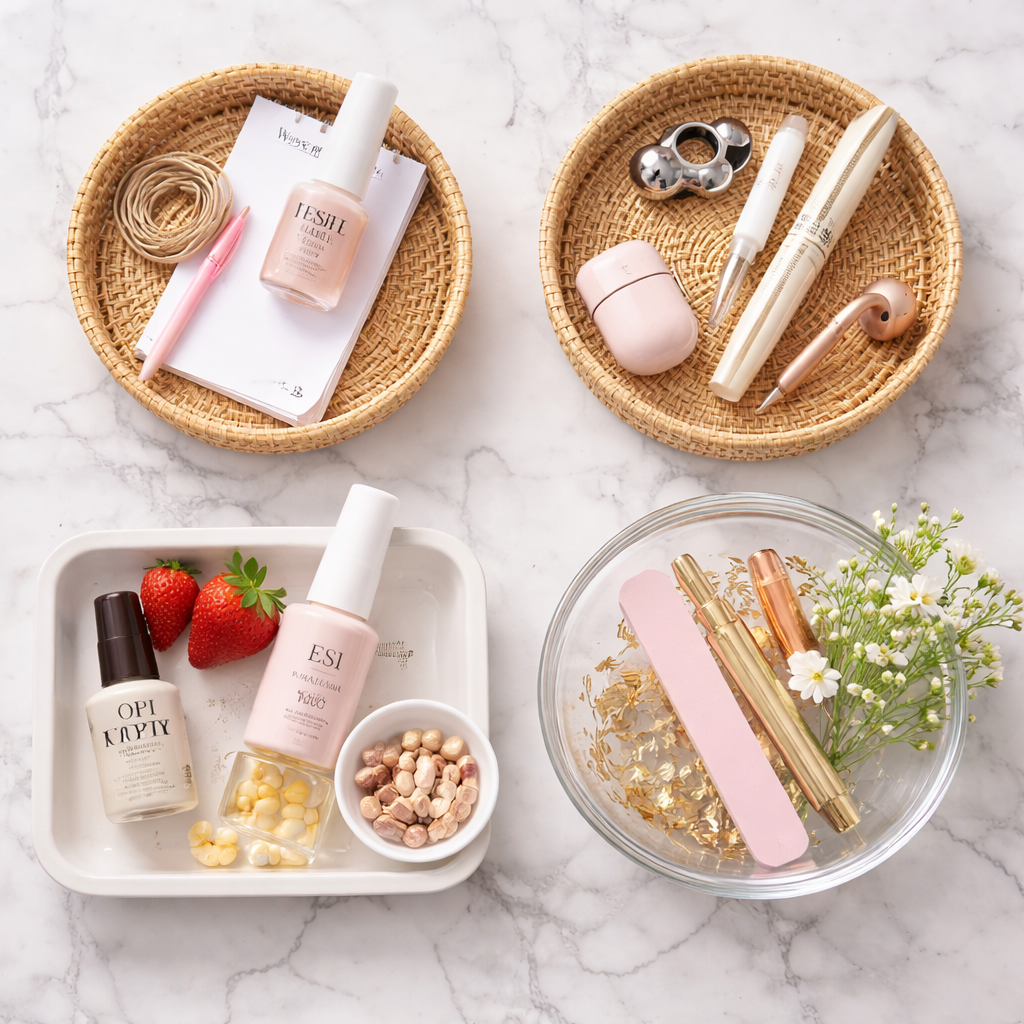
Week 1: Awareness & Interruptions
- Track triggers
- Apply bitter polish
- Keep nails trimmed
Goal: Reduce unconscious biting.
Week 2: Replacement Installation
- Use fidget tools
- Apply cuticle oil 3x daily
- Practice stress management
Goal: Replace the action.
Week 3: Nail Recovery & Strengthening
- Start nail strengthener treatment
- Apply nail growth serum
- Consider biotin for nail growth
How long does it take for bitten nails to grow back?
Most people see visible improvement in 3–6 weeks.
Week 4: Reinforcement & Relapse Prevention
- Reward progress
- Avoid shame if relapse happens
- Reset immediately instead of quitting entirely
Breaking a nail biting habit is a process — not overnight perfection.
How to Repair Nails After Years of Biting
Damaged nails from biting need patience.
Nail Bed Recovery Timeline
- Week 1–2: Reduced redness
- Week 3–4: Stronger growth
- 2–3 months: Noticeable length improvement
Strengthen and Protect
Use:
- Nail repair treatment
- Hydrating cuticle oil
- Gentle manicure tools
Prevent Infection
Biting increases risk of paronychia (nail infection).
Watch for:
- Swelling
- Pain
- Pus
- Persistent redness
If symptoms continue, see a dermatologist.
When Nail Biting Is More Than a Habit
You may need professional help if:
- You bite daily despite damage
- Skin bleeding is frequent
- Anxiety-related nail biting feels uncontrollable
- It interferes with social confidence
Cognitive behavioral therapy and habit reversal training are proven treatments for compulsive nail biting.
What Most Articles Don’t Tell You About Relapse
Relapse doesn’t mean failure.
Most people slip during:
- Exams
- Work stress
- Emotional situations
Instead of shame:
- Restart immediately
- Reapply polish
- Reintroduce replacement habits
Consistency beats perfection.
Frequently Asked Questions
Is nail biting a sign of anxiety?
Often, yes. It’s commonly linked to stress or nervous energy.
Is nail biting OCD?
Not always. But chronic nail biting can overlap with obsessive-compulsive tendencies.
Can nail biting damage teeth?
Yes. It may weaken enamel and cause dental issues over time.
How long does it take to break the habit?
Most behavioral studies suggest 21–66 days, depending on consistency.
Final Thoughts
Learning how to stop biting nails isn’t about willpower. It’s about understanding your triggers, replacing the habit loop, and repairing the damage gradually.
If you’ve tried before and failed, that doesn’t define you. With the right system — awareness, interruption, recovery, and reinforcement — you can stop nail biting for good.
Your nails can grow back stronger than ever.