
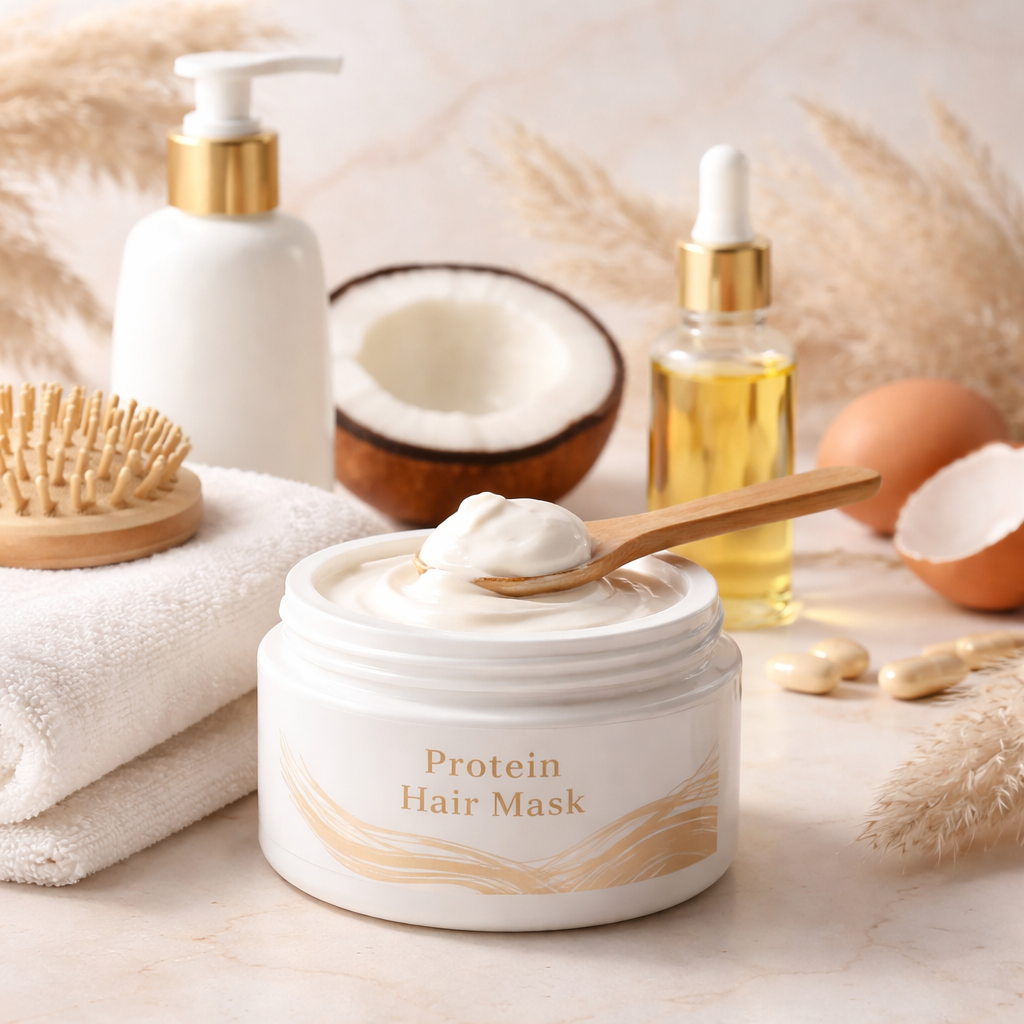
If your hair feels weak, breaks easily, or looks dull no matter what you try, it might not just need moisture — it may need protein. A protein treatment for hair helps repair damage, strengthen strands, and improve elasticity. Whether you’re dealing with breakage, frizz, or over processed hair, adding the right protein treatment can make a noticeable difference.
But here’s the key: it’s not just about using protein — it’s about using it correctly and in balance.
What Causes Weak and Damaged Hair?
Before jumping into treatments, it’s important to understand what’s causing the damage.
Common reasons include:
- Heat styling (straighteners, curlers, blow dryers)
- Chemical treatments like coloring or bleaching
- Over-washing or harsh shampoos
- Lack of protein in your hair care routine
When hair loses protein, it becomes fragile, stretchy, and prone to breakage — this is where a protein treatment for damaged hair becomes essential.
How Protein Treatment Works on Hair
Your hair is made of keratin, a type of protein. Over time, damage creates gaps in the hair cuticle.
A hair protein treatment works by:
- Filling in these weak spots
- Strengthening the hair shaft
- Improving elasticity and resilience
This is why many people see visible protein treatment before and after results — hair looks smoother, stronger, and healthier.
Benefits of Protein Treatment for Hair
Using the right treatment can transform your hair routine.
Key benefits:
- Reduces hair breakage
- Strengthens weak strands
- Improves elasticity
- Helps repair damaged hair structure
- Adds a smoother, healthier look
It’s especially helpful if you’re dealing with hair breakage, frizz, or high porosity hair.
Who Should Use Protein Treatment?
Not everyone needs frequent protein — but it’s ideal if you have:
- Damaged or chemically treated hair
- High porosity hair (absorbs moisture quickly but loses it fast)
- Limp, stretchy, or weak strands
- Excessive breakage
If your hair feels overly soft or mushy, it may be a sign you need a protein treatment for hair growth and strength.
Different Types of Protein Treatments
Understanding the types helps you choose the right one.
1. Light Protein Treatments
- Found in conditioners
- Suitable for regular use
2. Medium Protein Treatments
- Deep conditioning masks
- Ideal for moderate damage
3. Heavy Protein Treatments
- Keratin treatments or reconstructors
- Best for severely damaged hair
This is where choosing the best protein treatment for hair depends on your hair condition.
At-Home Protein Treatment Routine (Step-by-Step)
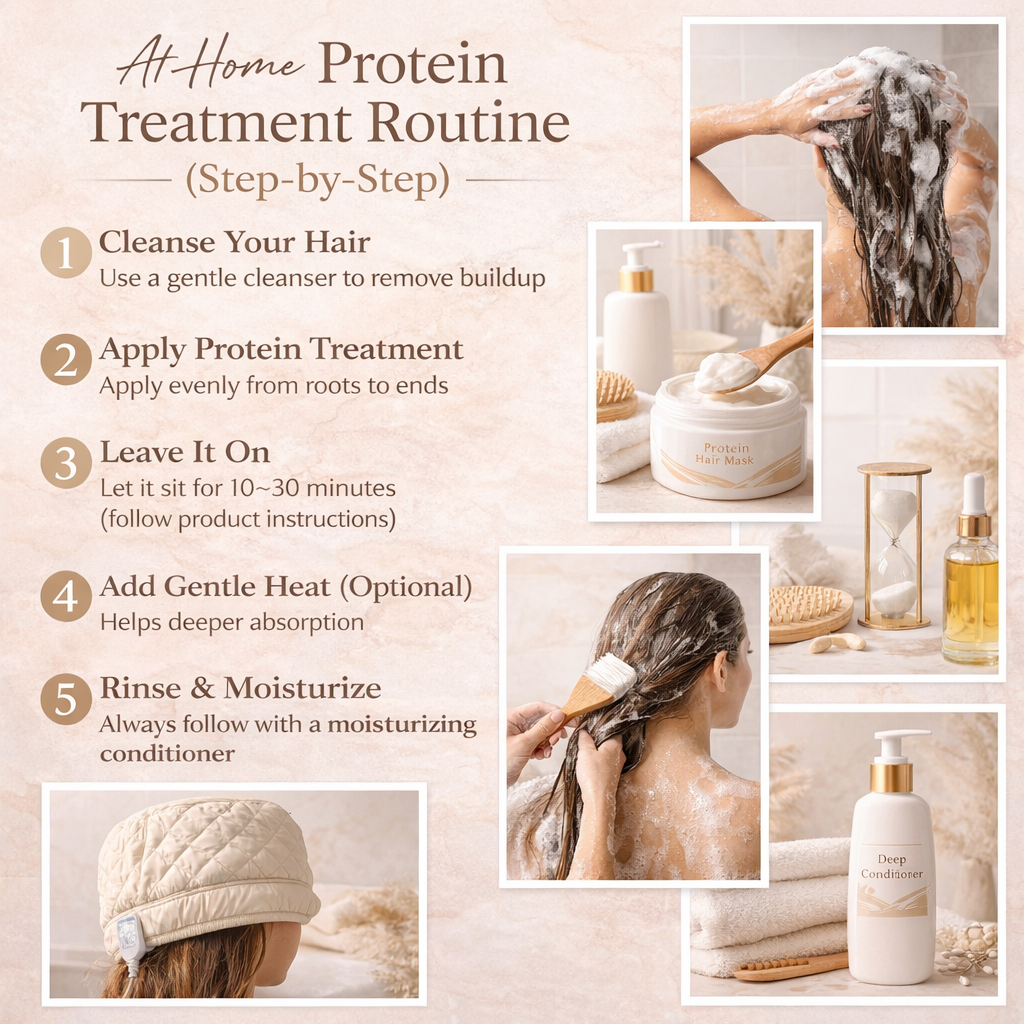
Step 1: Cleanse Your Hair
Use a gentle cleanser to remove buildup
Step 2: Apply Protein Treatment
Apply evenly from roots to ends
Step 3: Leave It On
Let it sit for 10–30 minutes (follow product instructions)
Step 4: Add Gentle Heat (Optional)
Helps deeper absorption
Step 5: Rinse & Moisturize
Always follow with a moisturizing conditioner
Best Protein Treatments You Can Use
If you don’t want DIY, there are excellent ready-made options.
Recommended options:
These are ideal if you’re looking for a hair protein treatment at home that delivers salon-like results.
Protein vs Keratin Treatment: What’s the Difference?
Many people confuse the two.
- Protein treatments: Strengthen and repair
- Keratin treatments: Smooth and reduce frizz
If your goal is to fix damage and breakage, go for protein.
If you want smoother hair, keratin may help more.
How Often Should You Use Protein Treatment?
This depends on your hair type:
- Damaged hair → every 2–3 weeks
- Normal hair → once a month
- Healthy hair → occasional use
Overusing protein can cause problems, so balance is key.
Side Effects of Overusing Protein
Too much protein can lead to protein overload hair symptoms:
- Dry, stiff hair
- Increased breakage
- Dull appearance
If you’re wondering, “can too much protein damage hair?” — the answer is yes.
How to Fix Protein Overload Fast
If your hair feels worse after treatment, here’s how to fix it:
- Use a clarifying shampoo
- Focus on deep moisturizing treatments
- Avoid protein products for a few weeks
This helps restore the protein vs moisture balance
Best Routine for Balanced Hair Care
The secret to healthy hair is balance.
Weekly routine:
- 1x protein treatment (if needed)
- 1–2x deep moisture treatments
- Daily gentle care
This prevents both protein deficiency and overload.
Protein Treatment for Different Hair Types
Curly / Natural Hair
- Needs frequent balance of moisture + protein
Straight Hair
- Use lighter treatments
Frizzy Hair
- Combine protein + smoothing products
Choosing the right protein treatment for natural hair or frizzy hair makes a big difference.
Conclusion
A protein treatment for hair can completely transform weak, damaged strands — but only when used correctly.
Focus on:
- Understanding your hair’s needs
- Maintaining protein and moisture balance
- Using the right products at the right time
With consistency, you’ll notice stronger, healthier, and more resilient hair over time.