
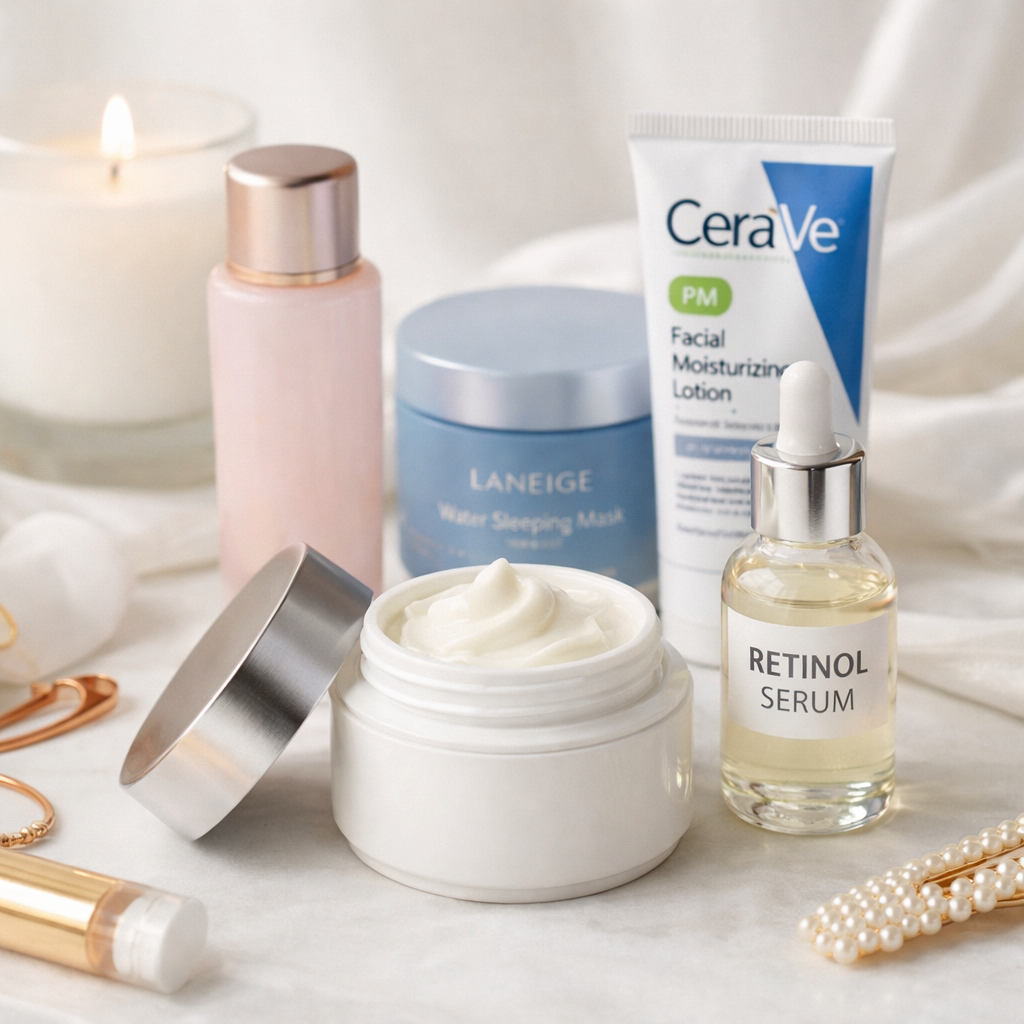
Retinol night cream has become one of the most talked-about products in skincare, and for good reason. If you’re looking to improve fine lines, acne, or uneven skin tone, adding a retinol night cream to your routine can make a visible difference.
But here’s the thing: many people either use it incorrectly or avoid it altogether because it sounds “too strong.” Don’t worry, this guide will help you understand everything in a simple, beginner-friendly way, while also helping you choose the best retinol night cream for your skin.
What Is a Retinol Night Cream? (Quick & Simple Explanation)
Retinol is a vitamin A derivative that helps speed up skin cell turnover. In simple terms, it helps your skin renew itself faster, revealing smoother, clearer skin over time.
A retinol night cream is specifically designed to:
- Work while your skin repairs overnight
- Improve texture and tone
- Support collagen production
It’s used at night because retinol can increase sun sensitivity, so daytime use is not recommended.
Why Retinol Night Cream Is a Game-Changer for Your Skin
Using a retinol cream for face regularly can target multiple skin concerns at once:
1. Reduces Fine Lines & Wrinkles
Retinol boosts collagen production, helping skin look firmer and smoother.
2. Helps with Acne & Clogged Pores
It prevents pores from getting blocked, making it ideal for acne-prone skin.
3. Fades Dark Spots & Uneven Skin Tone
If you struggle with hyperpigmentation, retinol helps brighten your complexion.
4. Improves Skin Texture
You’ll notice smoother, more refined skin over time.
How to Use Retinol Night Cream (Step-by-Step Routine)
If you’re new to retinol, this step-by-step routine will help you avoid irritation:
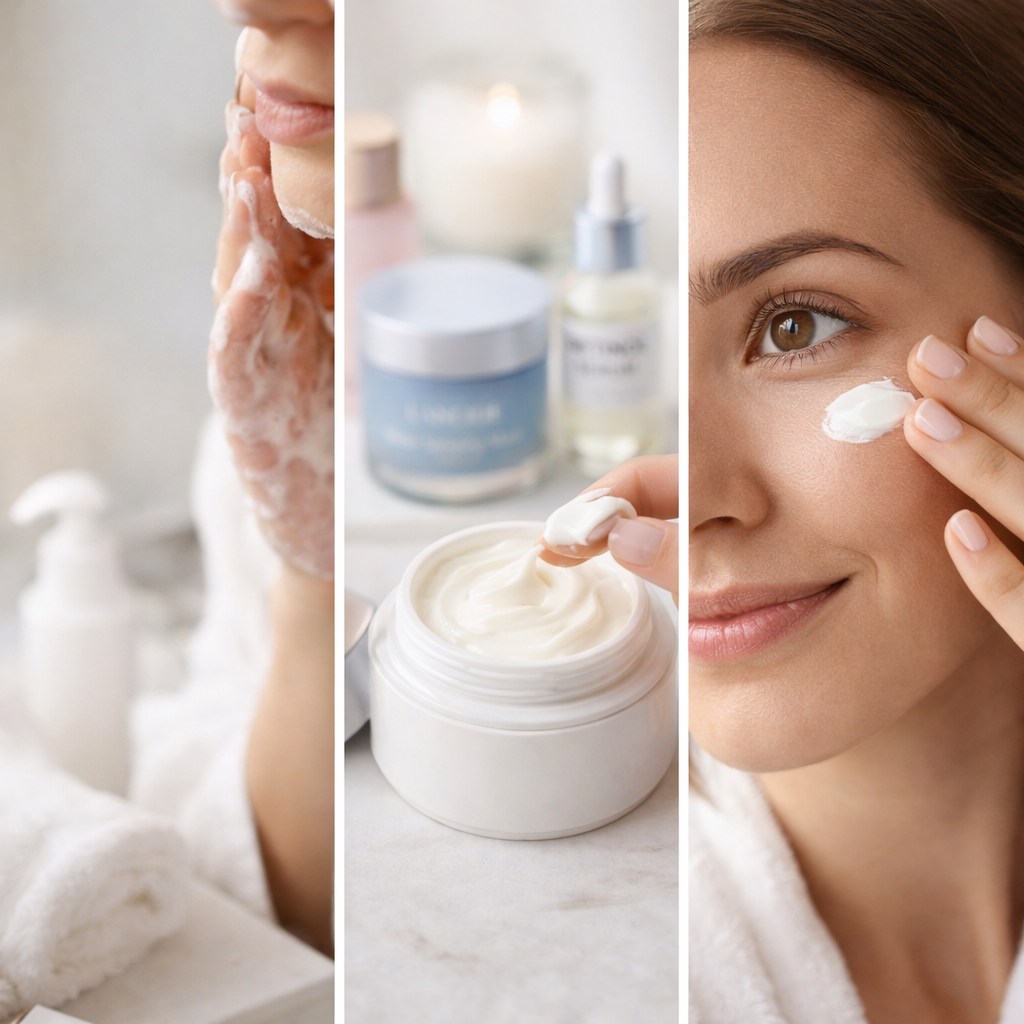
Step 1: Cleanse Your Skin
Start with a gentle cleanser to remove dirt and oil.
Step 2: Apply on Completely Dry Skin
Wait 10 to 15 minutes after washing your face. Applying retinol on damp skin can increase irritation.
Step 3: Use a Pea-Sized Amount
Less is more. A small amount is enough for your entire face.
Step 4: Follow with a Moisturizer
This helps reduce dryness and irritation.
Step 5: Use Sunscreen the Next Morning
Retinol increases sensitivity to the sun.
The “Retinol Sandwich Method” (Beginner-Friendly Tip)
If you have sensitive skin, try this method:
- Apply moisturizer
- Apply retinol
- Apply moisturizer again
This technique reduces irritation while still allowing your skin to benefit from retinol.
How Often Should You Use Retinol at Night?
Start slow to avoid side effects:
- Week 1 to 2 → 2 times per week
- Week 3 to 4 → Every other night
- After 1 month → Nightly (if your skin tolerates it)
This approach works best for beginners using a low strength retinol cream.
Common Mistakes to Avoid When Using Retinol
- Using too much product
- Skipping sunscreen
- Mixing with strong acids
- Expecting overnight results
Consistency is key when using a retinol night moisturizer.
Best Retinol Night Creams to Try (Affiliate Picks)
Here are some beginner-friendly options:
For Beginners
Low Strength Retinol Cream for Beginners
For Dry Skin
Retinol Cream with Hyaluronic Acid
For Anti-Aging
Anti Aging Night Cream with Retinol
Budget-Friendly Option
Affordable Drugstore Retinol Night Cream
How to Choose the Right Retinol Night Cream
When selecting the best retinol night cream, consider:
- Strength → Start with low concentration (0.25%–0.5%)
- Skin Type → Sensitive, oily, or dry
- Ingredients → Look for ceramides & hyaluronic acid
These help balance hydration and reduce irritation.
What to Expect: Retinol Before and After Results
Results don’t happen overnight:
- Week 1 to 2 → Slight dryness or purging
- Week 3 to 6 → Smoother texture
- Week 8+ → Visible glow and reduced wrinkles
This is normal when following a proper retinol skincare routine.
Can Retinol Cause Side Effects? (And How to Avoid Them)
Common side effects:
- Dryness
- Peeling
- Redness
How to avoid:
- Start slow
- Moisturize properly
- Avoid harsh products
What Not to Mix with Retinol
Avoid using retinol with:
- AHAs/BHAs
- Benzoyl peroxide
- Strong exfoliants
Instead, pair it with hydrating ingredients like hyaluronic acid.
FAQs About Retinol Night Cream
Can beginners use retinol daily?
No, start slowly and increase usage gradually.
Is retinol safe for sensitive skin?
Yes, but use a low-strength formula and follow the sandwich method.
What age should you start using retinol?
Most people start in their mid-20s to early 30s.
Final Thoughts
A retinol night cream can completely transform your skin when used correctly. Start slow, stay consistent, and choose the right product for your skin type. With time, you’ll notice smoother, clearer, and more radiant skin.