

Sensitive skin care isn’t about using more products, it’s about understanding your skin’s limits and supporting it gently. If your skin reacts easily, feels tight after cleansing, or flares up without warning, a calm and thoughtful approach can make a noticeable difference.
This guide breaks down how to care for sensitive skin, what commonly triggers irritation, and how to build a routine that keeps your skin comfortable without overwhelming it.
What Sensitive Skin Really Is (And What It Isn’t)
Sensitive skin is not a skin type, it’s a skin condition. That means oily, dry, or combination skin can all become sensitive under certain circumstances.
Often, sensitivity happens when the skin barrier is weakened. When that barrier isn’t doing its job, moisture escapes more easily and irritants can enter, leading to redness, burning, or discomfort.
Not every reaction means you have sensitive skin permanently. Sometimes, it’s a sign that your routine is too harsh or overloaded.
Common Signs Your Skin Is Sensitive
You may be dealing with skin sensitivity if you notice:
- Redness or flushing after washing your face
- Stinging or burning when applying products
- Tightness even after moisturizing
- Frequent reactions to new skincare
- Itchy or irritated skin without a clear cause
These signs often point to reactive or compromised skin, especially when they appear repeatedly.
Why Skin Becomes Sensitive Over Time
Skin sensitivity usually develops gradually. Some common reasons include:
- Over-exfoliation or frequent use of strong actives
- Using products with fragrance or drying alcohols
- Environmental stress like sun exposure, pollution, or cold weather
- Hot showers that strip natural oils
- Constantly switching skincare products
Over time, these habits weaken the skin’s protective layer, making it harder for skin to stay calm.
Sensitive Skin Triggers Most People Overlook
Ingredient-Related Triggers
Certain ingredients are more likely to irritate sensitive skin, including:
- Synthetic fragrance
- Sulfates
- Essential oils (even “natural” ones)
- Strong exfoliating acids
- High concentrations of retinoids
Avoiding these doesn’t mean avoiding skincare altogether — it means choosing gentler formulations.
Routine & Lifestyle Triggers
Daily habits matter just as much:
- Washing with very hot water
- Layering too many products
- Cleansing too often
- Introducing multiple new products at once
Even a well-intended routine can cause flare-ups if it’s too aggressive.
A Gentle Daily Sensitive Skin Care Routine
A sensitive skin routine should feel simple, predictable, and soothing.
Cleansing Without Stripping
Choose a gentle cleanser that removes impurities without leaving skin tight or dry. Look for formulas designed to support hydration rather than foam aggressively.
Hydration That Supports the Skin Barrier
Moisturizing helps restore comfort and strengthens the barrier over time. Ingredients like ceramides, glycerin, and hyaluronic acid help skin retain moisture without irritation.
Sun Protection for Sensitive Skin
Daily sun exposure can worsen sensitivity. Mineral-based sunscreens are often better tolerated and help protect fragile skin from further stress.
Ingredients That Help Calm Sensitive Skin
Some ingredients are especially helpful for soothing and strengthening sensitive skin:
- Ceramides to reinforce the skin barrier
- Hyaluronic acid for lightweight hydration
- Niacinamide in low concentrations
- Oat extract and aloe for calming irritation
Fewer ingredients often work better than long, complex formulas.
Optional Tools That Can Help (If Used Correctly)
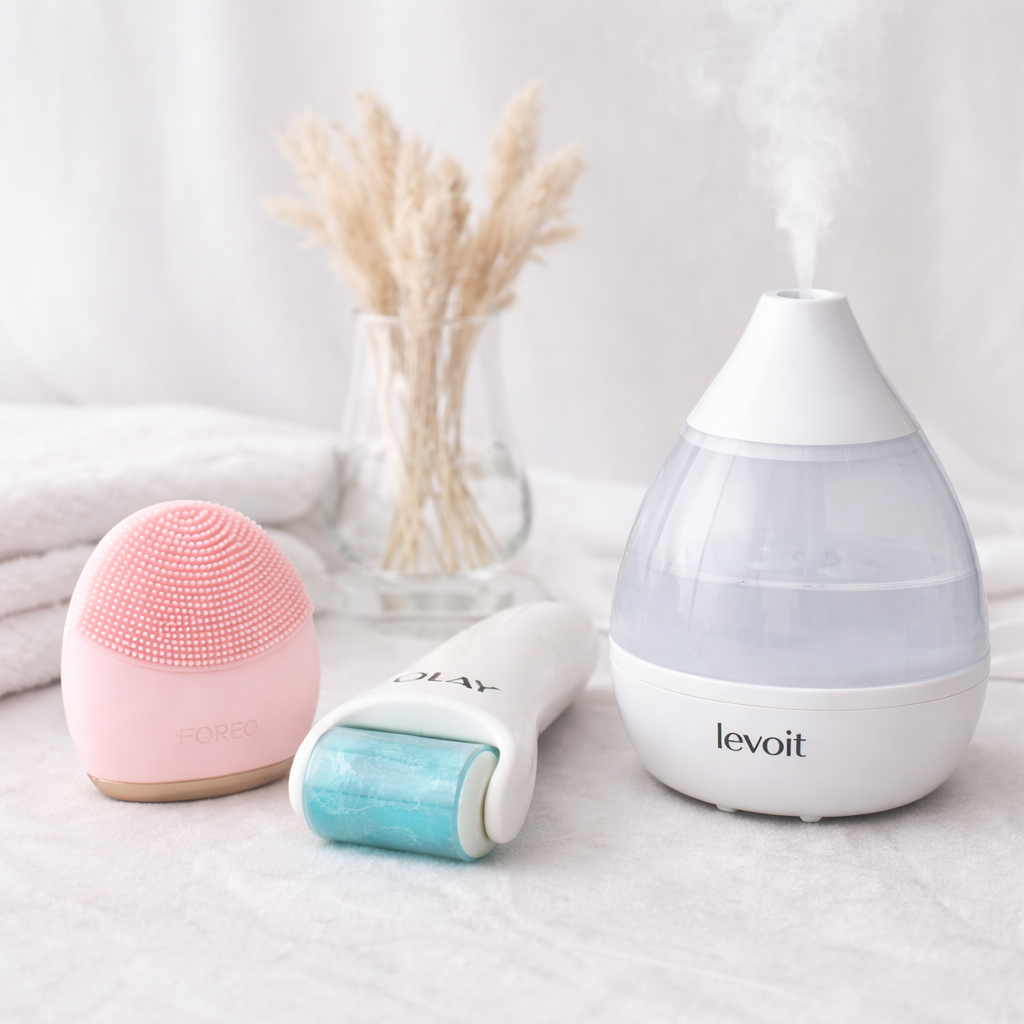
Tools are optional, but when chosen carefully, they can support comfort.
- Silicone cleansing tools are gentler than textured brushes
- Ice rollers can temporarily reduce redness
- Humidifiers help in dry climates or air-conditioned rooms
Avoid anything that scrubs, vibrates aggressively, or pulls on the skin.
How to Introduce New Products Without Causing Reactions
This step is often skipped — and it matters most for sensitive skin.
- Introduce one product at a time
- Patch test on a small area
- Wait several days before adding something new
- Stop immediately if burning or itching occurs
Slow changes allow you to identify triggers without overwhelming your skin.
When Sensitive Skin Needs Professional Help
If irritation becomes persistent, painful, or doesn’t improve with a simplified routine, it may be time to consult a professional. Some skin conditions mimic sensitivity but require targeted care.
Frequently Asked Questions About Sensitive Skin Care
Can sensitive skin use vitamin C?
Yes, but lower concentrations and gentle formulas are best.
Is fragrance-free always better?
For sensitive skin, fragrance-free products reduce the risk of reactions.
Should sensitive skin exfoliate?
Exfoliation should be minimal and infrequent, if used at all.
Final Thoughts: Building a Calm, Sustainable Skin Routine
Sensitive skin care works best when it’s consistent, gentle, and intentional. Instead of chasing trends, focus on protecting your skin barrier and choosing products that keep your skin comfortable day after day.