
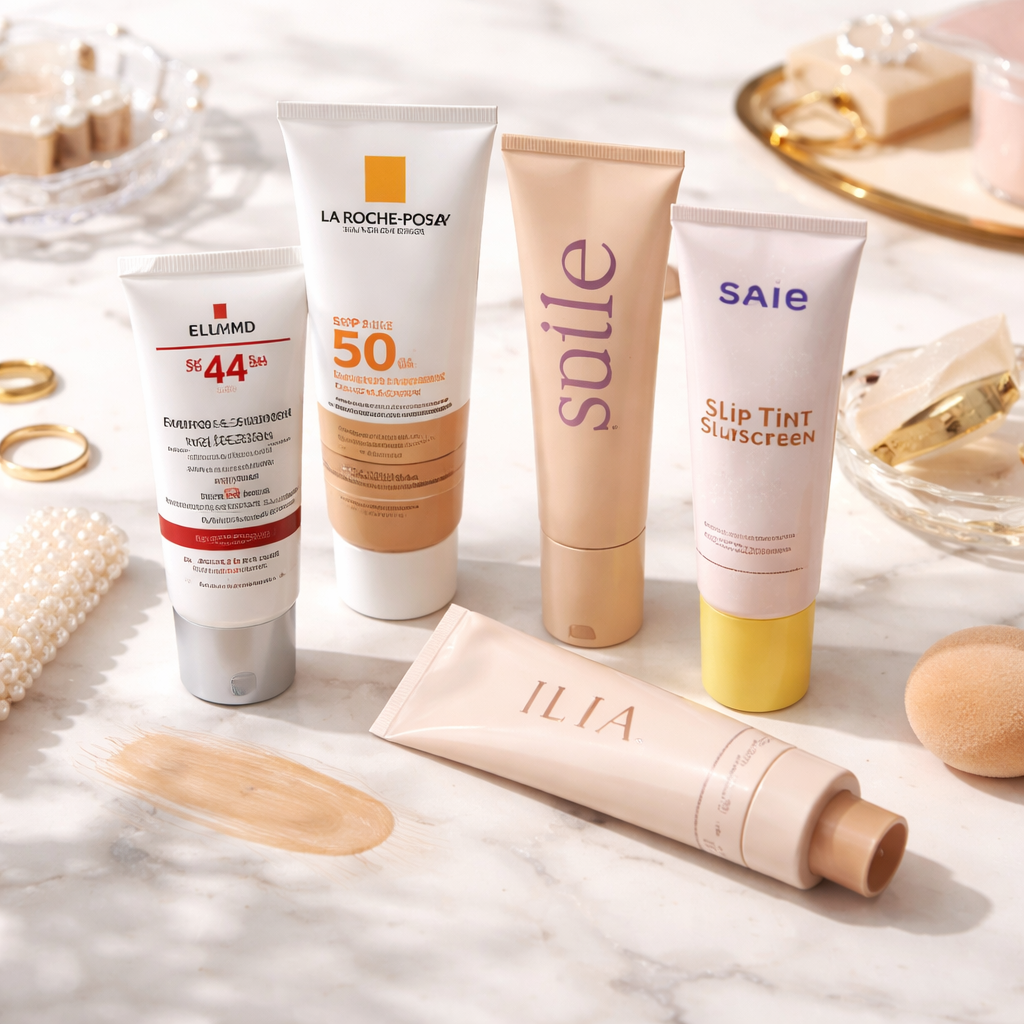
If you’ve ever wanted something that gives light coverage and sun protection, tinted sunscreen for face might be your new daily essential. It blends skincare and makeup into one simple step — offering broad spectrum SPF protection while evening out your complexion.
But with so many options — mineral tinted sunscreen, SPF 50 formulas, matte finishes, hydrating versions — how do you choose the best tinted sunscreen for your skin?
Let’s break it down in a way that actually helps you decide.
Why Tinted Sunscreen Is More Than Just SPF
A good tinted SPF for face does three important things:
- Protects against UVA and UVB rays
- Helps prevent hyperpigmentation and premature aging
- Provides sheer coverage without feeling heavy
Unlike regular sunscreen, tinted versions often contain iron oxides, which help protect against visible light — especially helpful if you struggle with melasma or dark spots.
Many formulas are lightweight, non-greasy, and designed for everyday use. That’s why dermatologist recommended tinted sunscreen options are becoming so popular.
Tinted Sunscreen vs Regular Sunscreen vs Foundation
If you’re wondering whether tinted sunscreen can replace foundation — the answer depends on your coverage needs.
- Regular sunscreen: Pure protection, no coverage
- Foundation: Coverage, but no SPF (unless labeled)
- Tinted sunscreen: Light coverage + sun protection
For minimal makeup lovers, a sheer coverage tinted sunscreen for face can absolutely replace foundation for daily wear. For events, you can layer foundation over it.
If you’re choosing between tinted sunscreen vs tinted moisturizer, remember: tinted sunscreen prioritizes SPF levels (SPF 30 or SPF 50), while tinted moisturizers focus more on hydration.
How to Choose the Best Tinted Sunscreen for Your Face
1. Look at SPF Strength
For daily errands, SPF 30 is fine. If you spend extended time outdoors, tinted sunscreen with SPF 50 offers stronger protection.
2. Mineral vs Chemical
- Mineral tinted sunscreen (zinc oxide, titanium dioxide) is great for sensitive skin.
- Chemical formulas tend to feel lighter but may not suit reactive skin.
3. Finish Matters
- Matte finish tinted sunscreen → best for oily skin
- Dewy or hydrating tinted sunscreen → better for dry or mature skin
4. Check for Non-Comedogenic Formulas
If you’re acne-prone, choose a tinted sunscreen that doesn’t cause breakouts.
5. Shade Inclusivity
Avoid white cast by choosing formulas designed for deeper skin tones. Iron oxides help blend more naturally.
If you want to check how evenly your SPF applies, tools like this UV mirror device can help:
Best Tinted Sunscreen for Every Skin Type
Oily & Acne-Prone Skin
Look for oil-free, lightweight tinted sunscreen options with niacinamide. A matte finish prevents shine without clogging pores.
Dry & Mature Skin
Hydrating formulas with hyaluronic acid or antioxidants give a soft glow. Dewy coverage works beautifully for dry complexions.
Sensitive & Rosacea-Prone Skin
Choose fragrance-free, zinc oxide dominant mineral tinted sunscreen formulas. These soothe rather than irritate.
Darker Skin Tones & White Cast Concerns
The best face sunscreen with tint for deeper tones includes iron oxides and inclusive shade ranges. Avoid overly pale universal shades.
Editor’s Best Tinted Sunscreen Picks
Best Overall: Lightweight, broad spectrum tinted sunscreen with natural finish
Best Budget: Affordable tinted sunscreen under $25
Best SPF 50: High-protection option for summer
Best Mineral Option: Zinc oxide based formula
Best Reef Safe: Eco-conscious, reef safe tinted sunscreen
How to Apply Tinted Sunscreen Properly
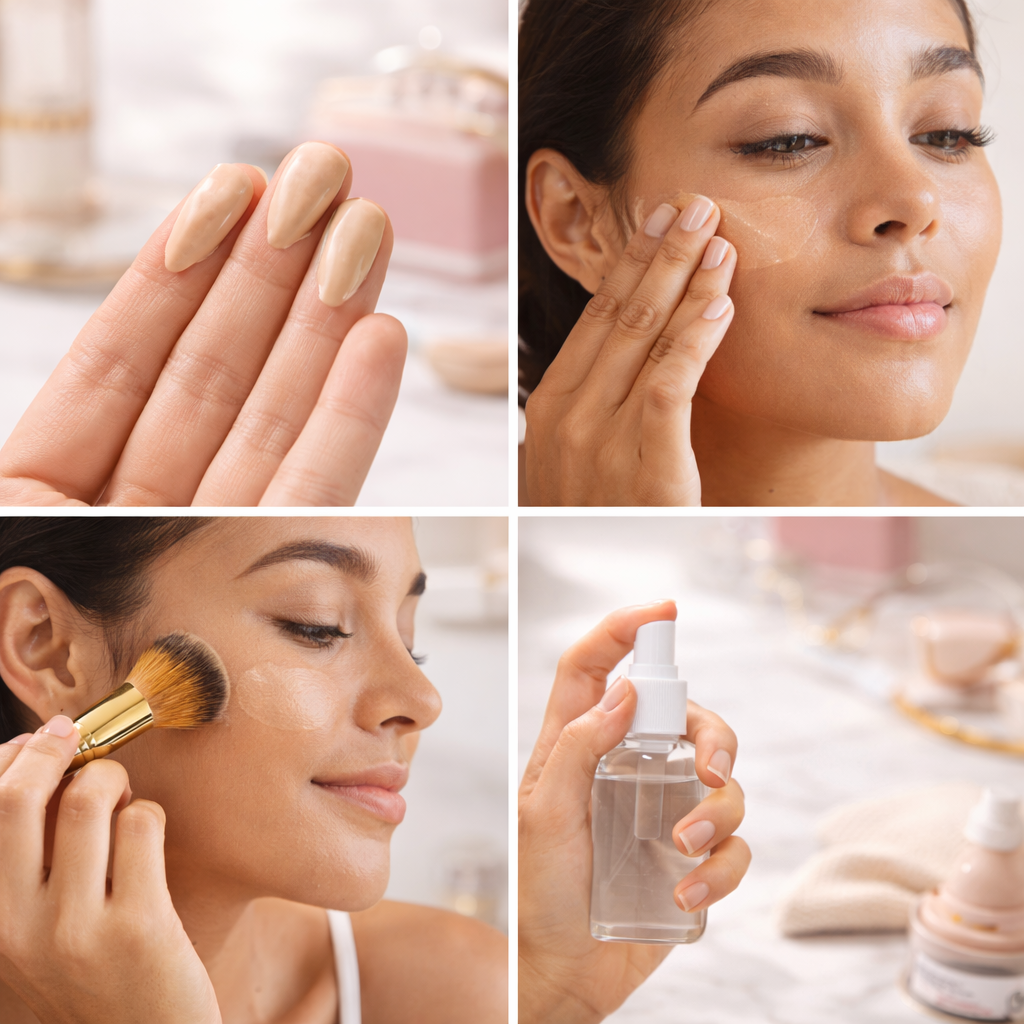
- Use the two-finger method for enough coverage
- Blend evenly across face and neck
- Reapply every 2 hours
- For reapplication over makeup, use SPF powder or setting spray
Common Mistakes People Make
- Using too little product
- Skipping reapplication
- Choosing the wrong shade
- Ignoring neck and ears
Tinted sunscreen for face works best when applied generously.
Ingredients to Look For (And Avoid)
Look for:
- Zinc oxide
- Titanium dioxide
- Niacinamide
- Antioxidants
Avoid (if acne-prone):
- Heavy oils
- Fragrance
- Pore-clogging ingredients
FAQ
Is tinted sunscreen good for everyday use?
Yes — daily tinted sunscreen protects from sun damage while evening skin tone.
Does tinted sunscreen clog pores?
Non-comedogenic formulas are designed not to.
Can tinted sunscreen replace foundation?
For light makeup days, absolutely.
Is SPF 30 enough?
For daily wear, yes. Choose SPF 50 for prolonged exposure.
Final Thoughts
The best tinted sunscreen for face depends on your skin type, finish preference, and lifestyle. Whether you want a matte finish tinted sunscreen for oily skin, a hydrating SPF for dry skin, or a mineral tinted sunscreen for sensitive skin — there’s an option that blends protection with beauty effortlessly.
A good tinted sunscreen isn’t just makeup. It’s daily skin protection that keeps your complexion healthy long term.