
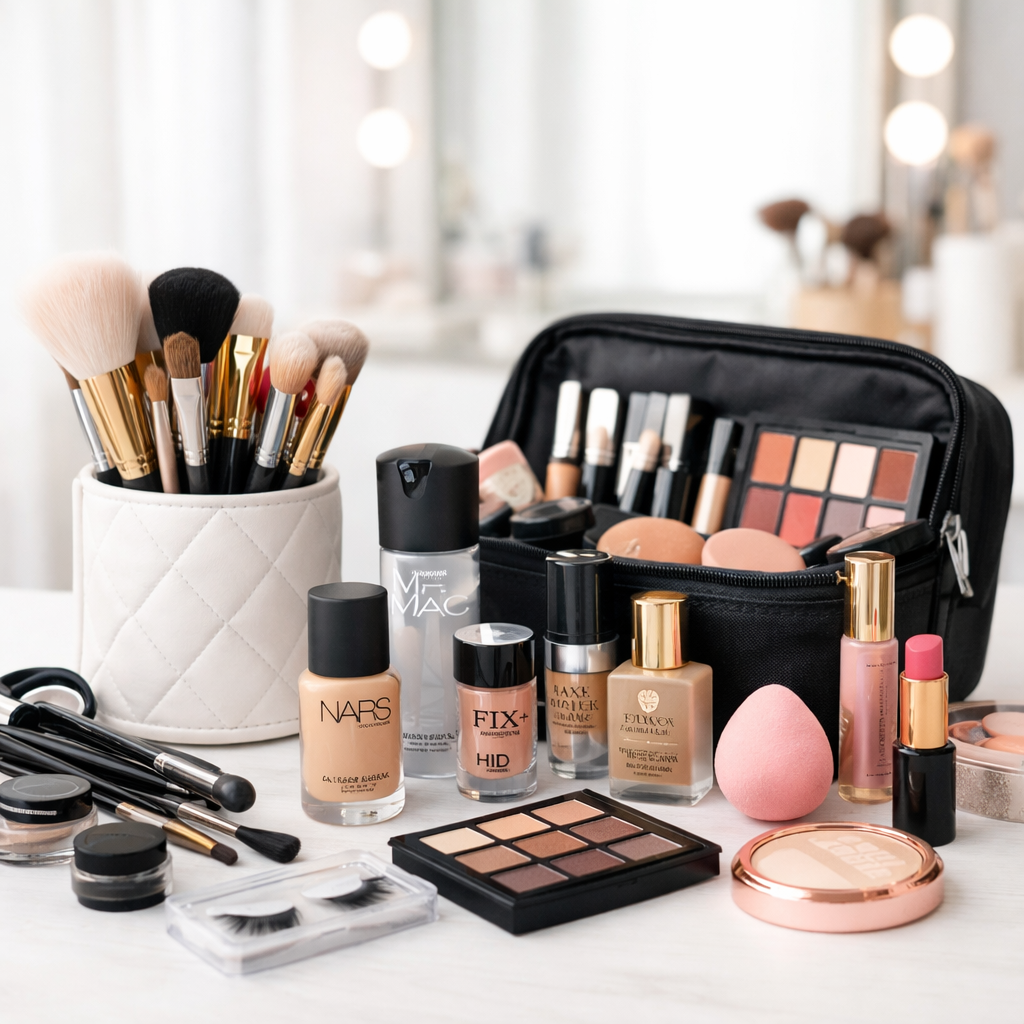
Becoming a makeup artist is more than just knowing how to apply lipstick or blend eyeshadow. It’s a creative career that combines technical skill, skin knowledge, communication, and confidence. If you’ve ever wondered how to become a makeup artist and turn your passion for beauty into a profession, this guide will walk you through every step — from learning the basics to building a career that grows with you.
Whether you’re exploring makeup as a full-time career or planning to start as a freelance makeup artist, this beginner-friendly roadmap will help you understand what it really takes to succeed.
What Does a Makeup Artist Actually Do?
A makeup artist enhances, transforms, and supports a client’s appearance for different purposes. Depending on the career path you choose, your daily work may look very different.
Some makeup artists focus on:
- Bridal and event makeup
- Salon or studio services
- Fashion, media, or photoshoots
- Freelance and personal clients
Beyond makeup application, professional makeup artists also:
- Consult with clients about skin type and preferences
- Maintain hygiene and sanitize tools
- Manage bookings and schedules
- Build trust and communicate clearly
One skill many people overlook is client communication. Listening carefully and making clients feel comfortable is just as important as technical makeup skills.
Is Becoming a Makeup Artist the Right Career for You?
Before investing time and money, it’s important to see if this career truly fits you.
You may enjoy a makeup artist career if you:
- Love working with people
- Enjoy creative, hands-on work
- Are comfortable standing for long periods
- Can stay calm under pressure (especially at events)
Makeup artistry isn’t just about talent — it also requires patience, professionalism, and consistency. If you enjoy learning, practicing, and improving over time, this path can be very rewarding.
Skills Every Successful Makeup Artist Needs
Technical Makeup Skills
These include:
- Foundation matching and blending
- Eye makeup techniques
- Contouring and highlighting
- Color theory
These skills improve with practice and observation.
Skin Knowledge & Hygiene Basics
Understanding different skin types, textures, and sensitivities is essential. Proper hygiene protects both you and your clients and builds professional credibility.
Business & Client Management Skills
Many makeup artists work independently. Skills like pricing, time management, and client follow-ups help turn your passion into income — a topic most competitors barely cover.
Education & Training Options Explained
There isn’t one single path to becoming a professional makeup artist. Your learning route depends on your goals and budget.
Makeup Schools and Beauty Academies
Formal training offers structure, guidance, and certifications. These programs often include hands-on practice and industry basics.
Online Makeup Courses
Online courses provide flexibility and are ideal for beginners who want to learn at their own pace.
Self-Taught Learning Paths
Many successful makeup artists start by practicing at home using tutorials, practice routines, and feedback.
Certifications and Licenses
Some regions require licensing for salon work, while others don’t. Always check local requirements, especially if you plan to work professionally.
How Long It Takes to Become a Makeup Artist
The timeline varies. Some beginners feel confident within a few months of regular practice, while others take a year or more. Becoming a makeup artist isn’t about rushing — it’s about consistency, learning, and refining your skills.
Tools You Need to Start as a Makeup Artist
Having the right tools makes learning easier and more professional.
Beginner Makeup Artist Starter Kit
Skin Prep & Hygiene Tools
Practice & Learning Tools
You don’t need everything at once. Start simple and upgrade as your skills grow.
How to Practice Makeup Skills the Right Way
Practicing randomly can slow your progress. Focus on:
- Practicing specific techniques each session
- Working on different face shapes and skin tones
- Taking photos to track improvement
Using mannequins or friends helps you gain confidence while building consistency.
Building Your First Makeup Artist Portfolio
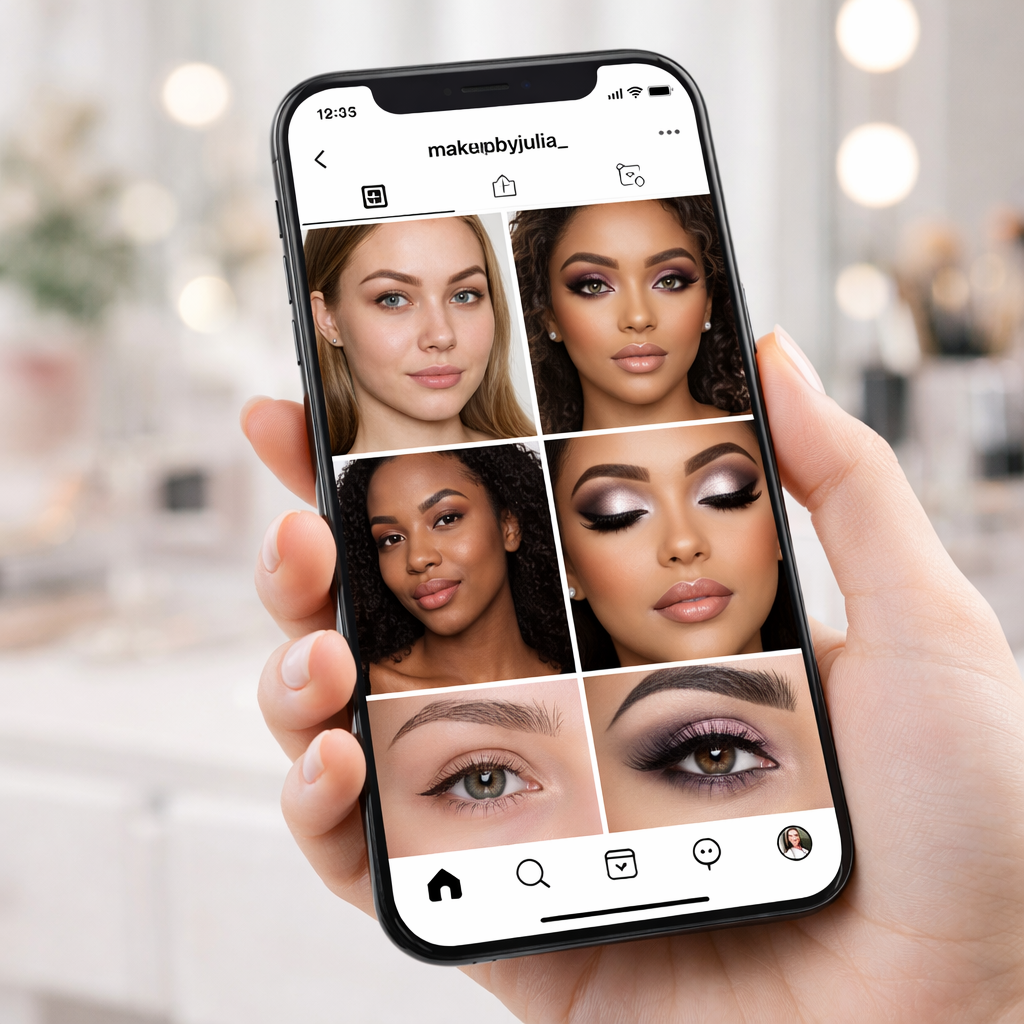
A makeup artist portfolio shows your skills better than words ever can.
What to Include
- Clear before-and-after photos
- Different makeup styles
- Close-ups and full-face shots
Digital vs Physical Portfolios
Most makeup artists now use digital portfolios. Social media platforms, especially Instagram, often act as a live portfolio for potential clients.
Using Social Media as a Portfolio
Posting consistently helps attract clients and build visibility — an area many competitors fail to explain properly.
Getting Your First Makeup Clients
Starting out can feel intimidating, but clients don’t magically appear — they’re built.
Ways to find clients:
- Offer makeup services to friends and referrals
- Collaborate with photographers
- Use social media outreach
- List services on freelance platforms
Every client helps you grow experience and confidence.
Makeup Artist Salary & Career Growth
Income depends on experience, location, and specialization. Beginner makeup artists earn less at first, but earnings increase as skills and reputation grow.
Specializing in bridal makeup, events, or editorial work often leads to higher income opportunities over time.
Common Beginner Mistakes to Avoid
Many aspiring makeup artists struggle because they:
- Buy too many products too early
- Skip hygiene practices
- Avoid practicing consistently
- Underprice or overwork themselves
Learning from these mistakes early saves time and frustration.
Final Thoughts on Starting a Makeup Artist Career
Learning how to become a makeup artist is about building skills, confidence, and patience. There’s no perfect timeline — only progress. With steady practice, the right tools, and a clear plan, makeup artistry can grow from a creative interest into a fulfilling career.
If you stay consistent and keep learning, your journey as a professional makeup artist can be both exciting and rewarding.