
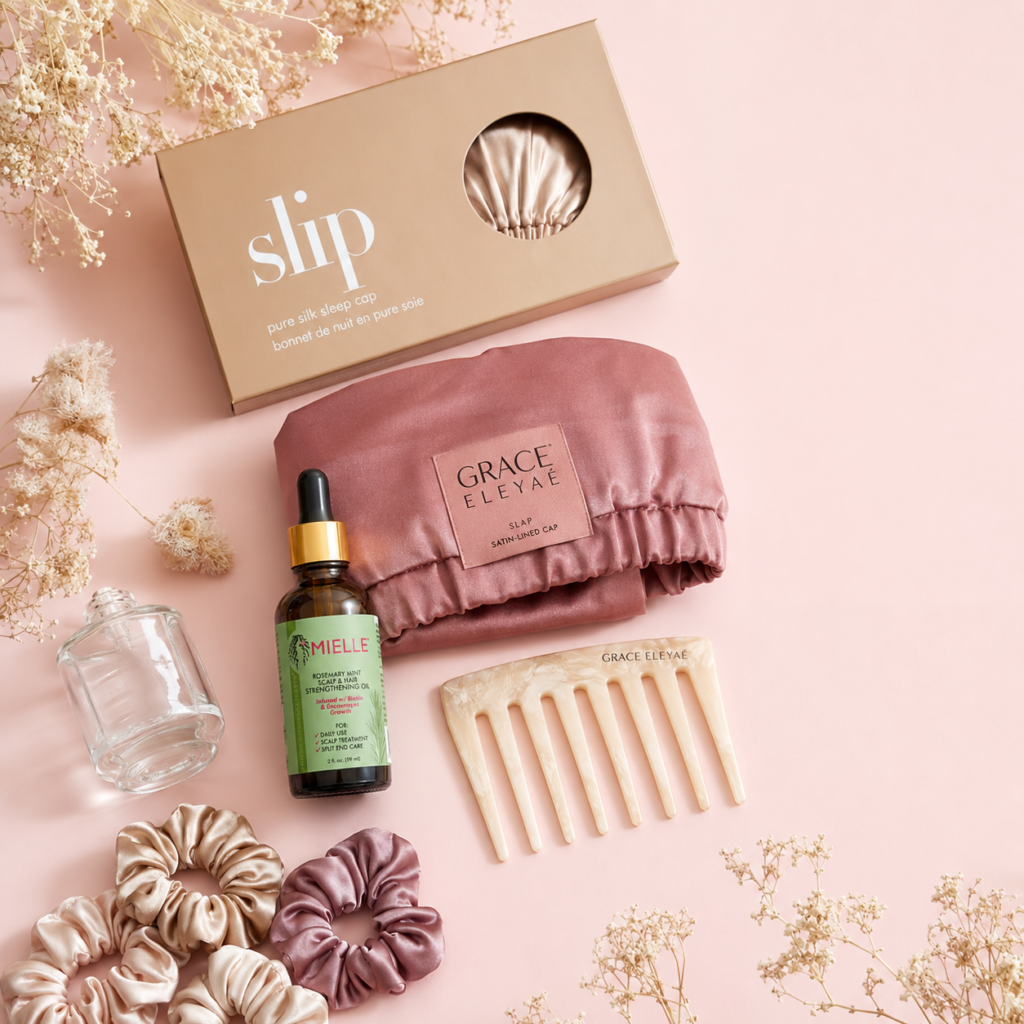
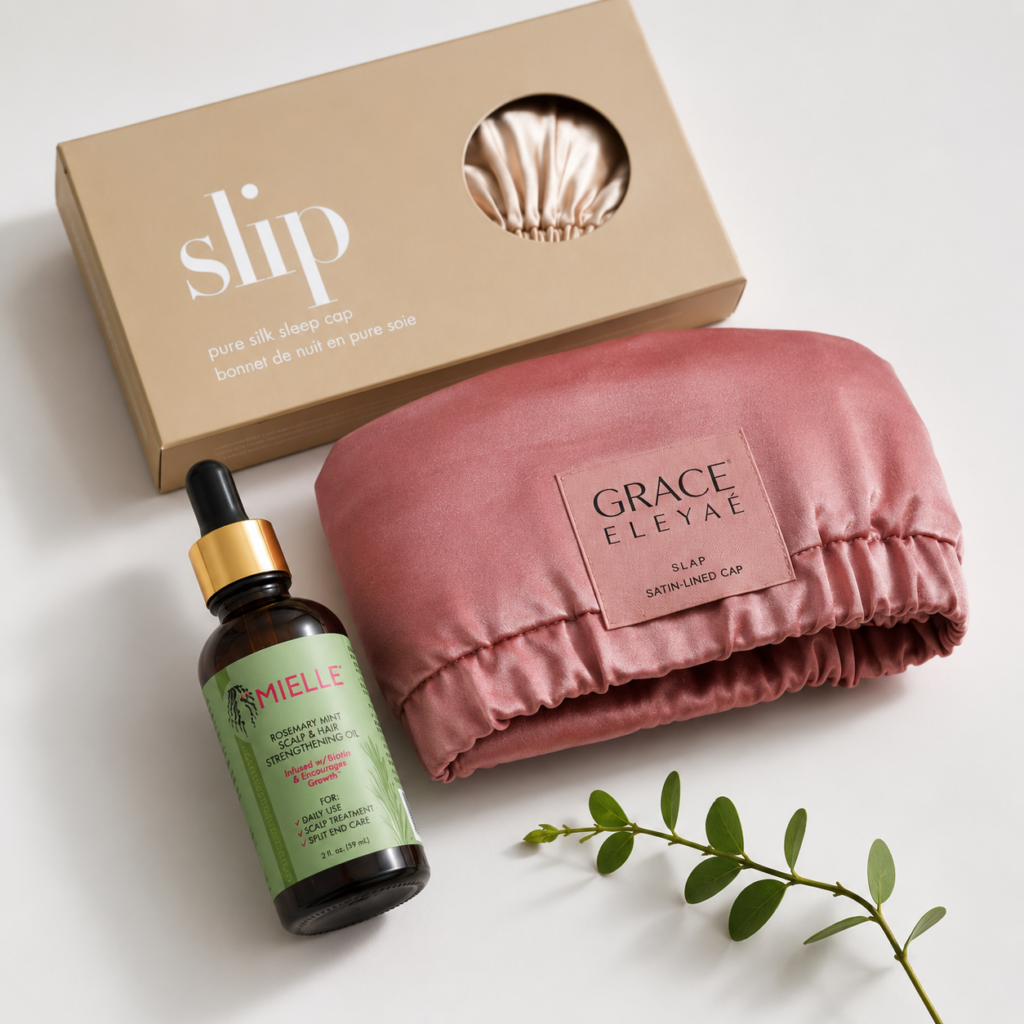
Here’s the deal, your pillow is quietly destroying your hair every single night, and most people have zero idea it’s happening. A proper hair wrap for sleeping is one of the most underrated protective moves you can add to your routine, and the science behind why it works is actually pretty fascinating. Last winter I finally committed to wrapping consistently after noticing my ends were snapping off at an alarming rate, we’re talking maybe 40% more breakage than usual on my fine-to-medium strands. I switched to the Slip Pure Silk Sleep Cap and within six weeks, the difference was real. In addition, my blowouts started lasting two full days longer. If you deal with frizz, dryness, or hair breakage that keeps getting worse, this one habit shift matters more than most products will.
How Hair Wrapping Works
Cotton pillowcases are the enemy. Seriously. Cotton fibers create friction against the hair cuticle, that outer scaly layer that keeps moisture locked in, and eight hours of tossing around generates enough mechanical stress to lift and chip those scales repeatedly. As a result, you wake up with frizz, tangles, and over time, actual structural damage.
Hair wrapping works by creating a low-friction microenvironment around your strands. Silk and satin surfaces have a much smoother weave, so the cuticle stays flat and sealed rather than being roughed up all night. This means that moisture stays where you put it, follicle to tip, instead of being wicked away into your pillowcase fabric.
Furthermore, wrapping compresses your style gently. For anyone managing natural curls or wave patterns, that compression prevents the distortion that causes frizz and definition loss by morning. It’s a mechanical solution to a mechanical problem, and that’s why it actually works.
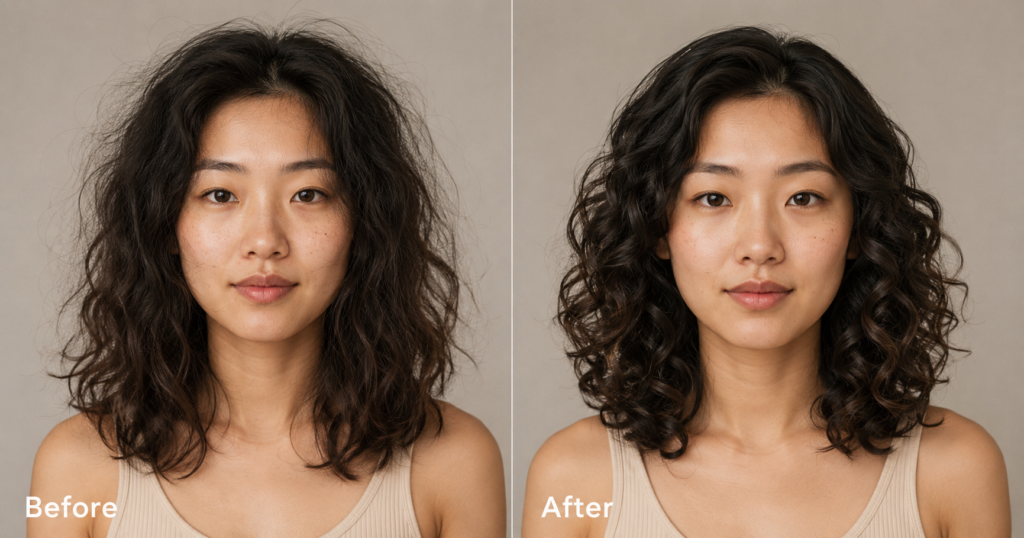
Before and After: What to Expect
| Feature | Before (Common Mistake) | After (Optimized Approach) |
|---|---|---|
| Pillowcase material | Standard cotton pillowcase with rough fiber texture | Silk or satin sleep cap or wrap that reduces friction entirely |
| Morning frizz | Significant halo frizz from cuticle disruption overnight | Cuticle stays flat — minimal frizz, defined texture intact |
| Moisture retention | Cotton absorbs product and natural oils from strands | Silk repels moisture transfer — hair wakes up hydrated |
| Breakage level | Mechanical friction causes snapping, especially at ends | Reduced friction means fewer split ends and less mid-shaft breakage |
| Style longevity | Blowouts and curl sets destroyed by morning | Styles last 1 to 2 extra days with consistent wrapping |
The Protocol
Follow these steps consistently for the best results with a hair wrap for sleeping. Four weeks is the minimum before you’ll notice a real shift in texture, frizz control, and breakage levels.
- Start with mostly dry hair. Wrapping soaking wet hair overnight can cause hygral fatigue, that’s when the strand swells with too much water repeatedly and weakens. Hair should be about 80% dry before you wrap.
- Apply a light sealing oil to your ends. A few drops of a nourishing oil on the last two inches of your hair creates a protective barrier before the wrap goes on. This is especially important if you deal with dryness from root to tip — check out this guide on dry hair treatment from root to tip for product pairing ideas. I’ve been using olive oil for hair on rough nights, but a lightweight option works better for finer hair types.
- Choose your wrap style based on hair type. Loose hair with a silk cap works for most straight and wavy types. For natural curls and 4A to 4C textures, the pineapple method, gathering hair loosely at the crown before capping — preserves curl clumps and prevents flattening. If you want to see more curl-specific styles, the best hairstyles for curly hair guide has solid options that transition well into a nighttime routine.
- Secure with a satin-lined cap or a silk scarf tied loosely. The Grace Eleyae Slap Satin-Lined Cap is what I keep on my nightstand, it stays put without creating a dent line at the hairline. Tight elastic bands are the enemy here. They create a crease and cause breakage at the perimeter.
- Check your wrap in the morning before brushing. If hair feels tangled inside the cap, that’s a sign the wrap slipped during the night. Adjust how loosely you pineapple or how you gather your hair before trying again. Rushing to detangle before unwrapping causes most of the damage people blame on the wrap itself.
Drugstore Gems vs. Salon Standards: Wrap Comparison
| Feature | Drugstore Pick | Salon Professional |
|---|---|---|
| Material | Satin polyester cap — smooth but slightly less breathable | Pure mulberry silk cap — breathable, temperature-regulating, 22 momme weight |
| Friction level | Low — significantly better than cotton | Ultra-low — nearly zero drag on cuticle surface |
| Moisture retention | Good — reduces cotton-wicking effectively | Excellent — silk is non-absorbent so product stays on hair |
| Best for | Normal to oily hair types, those new to wrapping | Dry, damaged, color-treated, or high-porosity hair |
| Price range | $5 to $15 — widely available at drugstores | $35 to $80, Slip Pure Silk Sleep Cap |
| Longevity | 6 to 12 months with regular washing | 2 to 3 years with proper hand-wash care |
Porosity Check Sidebar
Your hair porosity changes what wrapping does for you.
- Low porosity: Hair repels moisture already. Wrap after applying a light water-based leave-in to help push hydration in overnight.
- Medium porosity: You’re the sweet spot. Standard silk or satin wrapping works perfectly as-is.
- High porosity: Hair soaks up and releases moisture fast. Layer a leave-in plus a sealing oil before wrapping, this is non-negotiable. High porosity strands lose the most overnight without that seal.
Not sure where you fall? The hair porosity test guide will tell you in about two minutes.
Frequently Asked Questions
Does a hair wrap for sleeping actually reduce breakage?
Yes — and the mechanism is real, not marketing. Cotton creates friction that physically chips the cuticle layer over hundreds of contact points per night. Silk and satin reduce that friction dramatically. Most people notice less snapping at the ends within three to four weeks of consistent nightly wrapping, particularly if they also deal with high porosity or chemically processed hair.
Can I wear a hair wrap if I have fine or thin hair?
Absolutely, and honestly it matters more for fine hair. Thin strands have less structural mass to absorb repeated mechanical damage. However, use a loose wrap, a cap pulled too tight or a scarf tied too firmly creates tension at the hairline and can cause traction-related thinning over time. Loose coverage, not compression, is what you’re after.
What is the difference between silk and satin for hair wrapping?
Silk is a natural protein fiber with a naturally smooth surface. Satin is a weave structure that can be made from polyester, nylon, or silk. Therefore, satin polyester is budget-friendly and still reduces friction well, but pure silk regulates temperature and absorbs zero moisture from your strands. For very dry or damaged hair, the difference in moisture retention is noticeable.
How often should I wash my hair wrap?
Every seven to ten days is a reasonable target. Product buildup on the inner lining transfers back to your hair, especially oils and leave-ins, and can cause scalp congestion or weigh strands down. Hand wash in cool water with a gentle shampoo. Machine washing degrades silk weave fast, so skip that even if the label says it’s safe.
The Amber Verdict
A hair wrap for sleeping is one of the few hair habits where the science, the cost, and the daily effort all actually line up in your favor, there’s no catch, no waiting for a formula to work, just less friction every single night. I’m mildly contrarian about expensive overnight treatments because most of them just sit on the pillowcase anyway, but pairing a basic leave-in with a silk cap? That combination works every time. Start with whatever satin cap you can find at the drugstore, then upgrade to silk once you’re convinced, which you will be.
Pin this so you have it before your next wash day.