
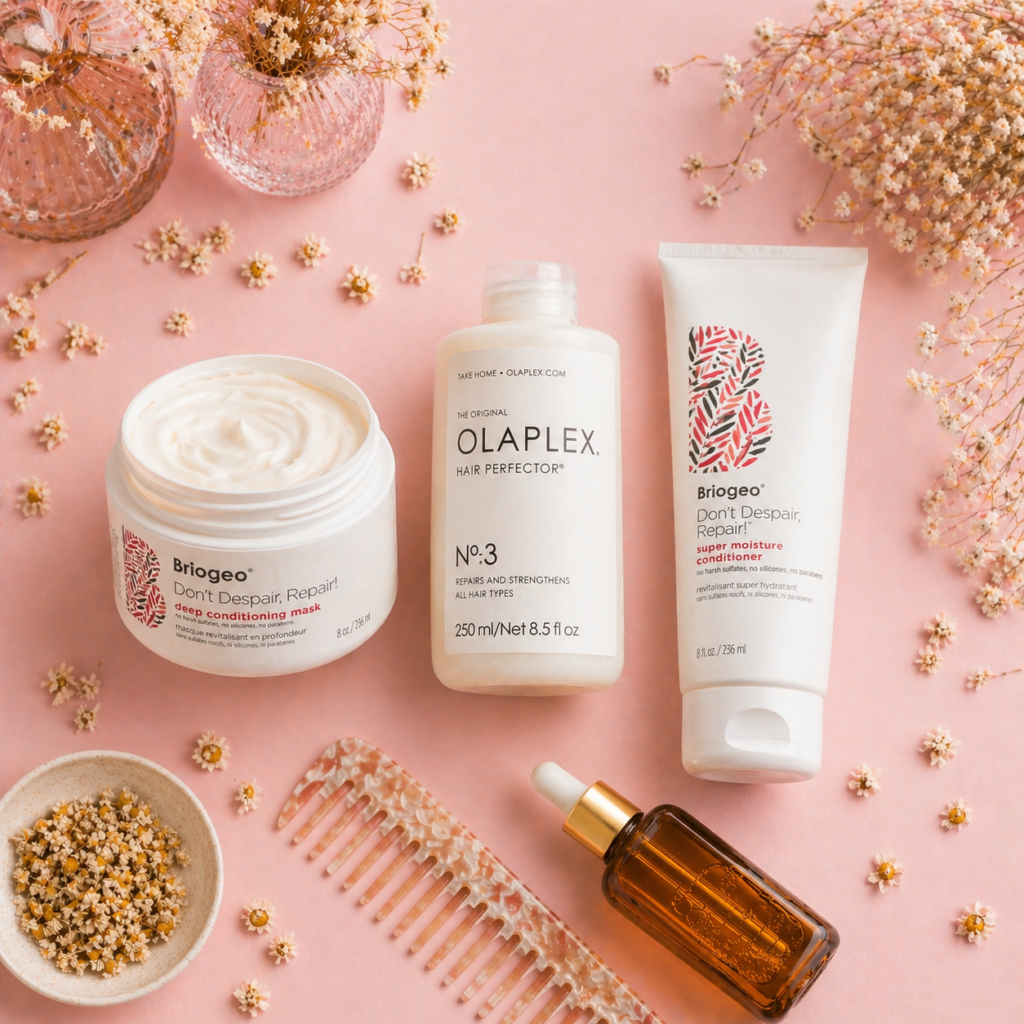
Here’s the deal dry hair isn’t just a bad hair day problem. It’s a structural issue that runs follicle to tip, and the right dry hair treatment can genuinely turn things around fast. Most people grab any moisturizing shampoo and call it a day. That rarely works, because dryness usually has a specific cause your shampoo can’t fix alone. I’ve been deep in the research, and I found that starting with Briogeo Don’t Despair Repair Deep Conditioning Mask makes a real difference, especially when you pair it with the right protocol.
How Dry Hair Works
Let’s look at the chemistry. Each hair strand has an outer layer called the cuticle, think of it like roof shingles lying flat. When those shingles lift up, moisture escapes and your hair loses its ability to reflect light or feel smooth.
Because of this, dry hair isn’t just about water. It’s also about lipids, the natural fatty acids that seal the cuticle shut. Sebum from your scalp provides those lipids, but heat styling, color, and harsh sulfates strip them away faster than your scalp can replace them.
Furthermore, low hair porosity traps this cycle in reverse, water can’t even get IN. High porosity hair lets water in but loses it just as fast. This means that understanding your porosity is step one before you pick any treatment. I have a full breakdown in the Hair Porosity Test: Why Your Hair Feels Dry guide, check that first.
Why Your Routine Makes It Worse
Most people over wash. Hot water opens the cuticle wide, detergents strip lipids, and repeated friction from towel drying snaps fragile strands. As a result, your hair never gets a chance to recover between washes.
However, under washing causes buildup that blocks moisture from penetrating. It’s a frustrating balance. In addition, most conditioners sit on the surface and rinse away before they can do meaningful repair work at the cortex level.
Porosity Check Sidebar
Drop one strand of clean, product-free hair into a glass of water.
- Floats for 2+ minutes → Low porosity. Your cuticle is tight. Use heat when deep conditioning to force products in.
- Sinks slowly to the middle → Medium porosity. Lucky you — most treatments work well.
- Sinks straight to the bottom → High porosity. Your cuticle is open and damaged. Prioritize protein treatments first, then moisture.
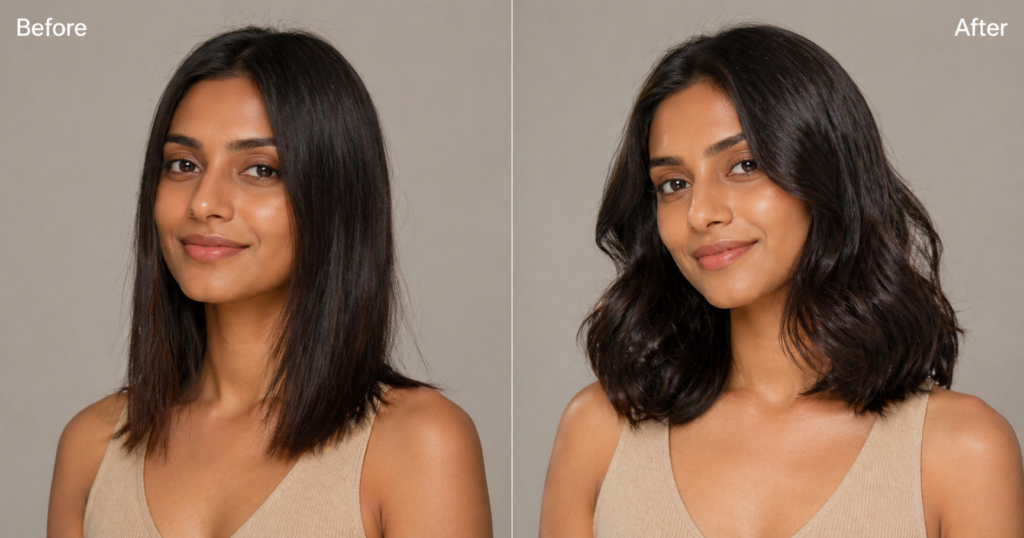
Before and After: What to Expect
| Feature | Before (Common Mistake) | After (Optimized Approach) |
|---|---|---|
| Wash frequency | Daily washing with hot water | 2 to 3x per week with lukewarm water |
| Product choice | Basic moisturizing shampoo only | Sulfate-free shampoo plus a weekly deep conditioning mask |
| Application method | Rubbing conditioner in quickly, rinsing fast | Applying mask to mid-lengths and ends, leaving 20 to 30 minutes |
| Frequency of treatment | No targeted dry hair treatment at all | Deep mask weekly, light leave-in after every wash |
| Result | Persistent dryness, frizz, breakage at ends | Noticeably softer, shinier strands within 2-3 weeks |
The Protocol
Follow these steps consistently for at least three weeks before judging results. Dry hair took time to get there, it takes time to reverse.
- First, do the porosity test. You need to know what you’re dealing with before picking products. High porosity hair needs protein first; low porosity hair needs heat to open the cuticle. This one step saves you months of wasted product.
- Next, switch to a sulfate-free shampoo. Sulfates are detergents strong enough to cut grease, they also strip every last lipid from your shaft. Swap them out and your scalp’s natural oil can finally start doing its job. If you’re also dealing with breakage, read how to stop hair breakage before it gets worse alongside this protocol.
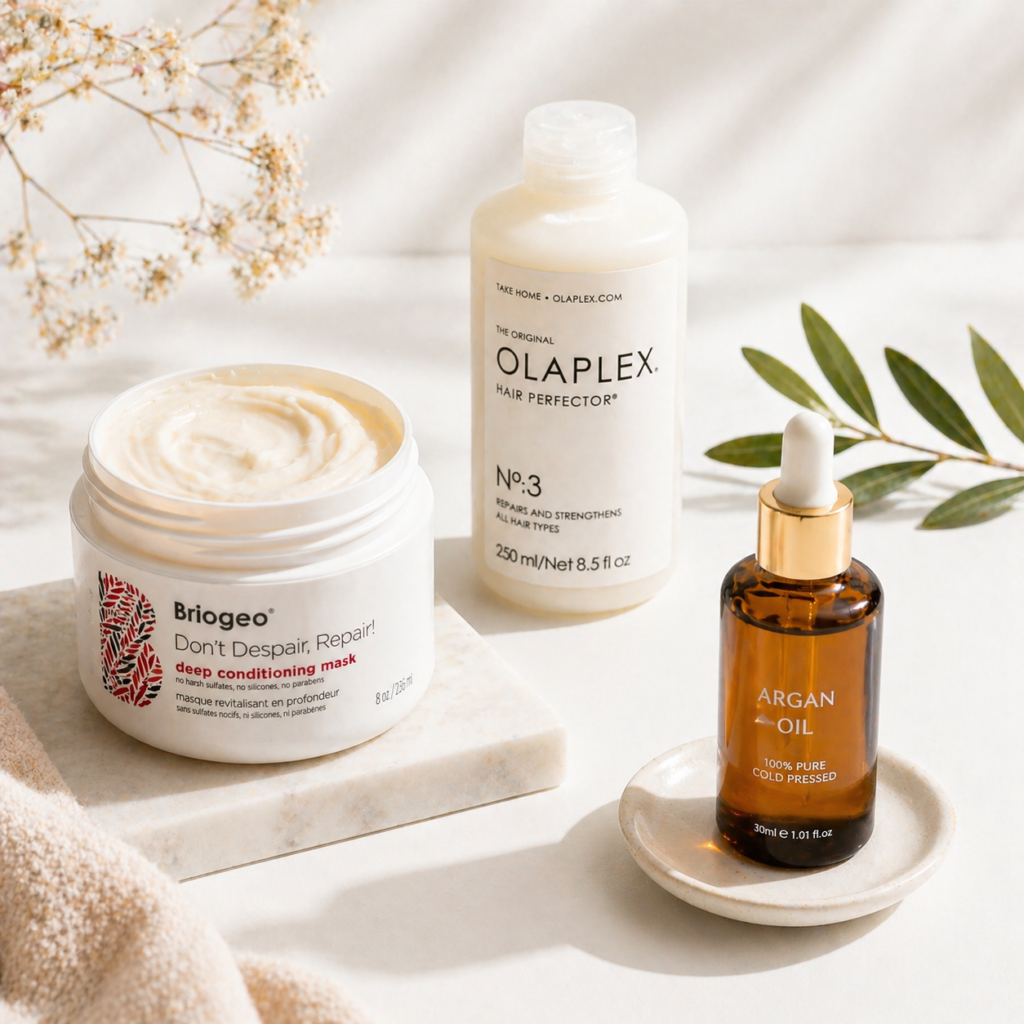
- Apply a deep conditioning mask weekly. Work Olaplex No. 3 Hair Perfector bond repair treatment from mid-length to ends on damp hair. Cover with a shower cap and leave it on for at least 20 minutes. For low porosity hair, add a warm towel over the cap to drive the formula deeper into the cortex.
- Then, seal moisture with a lightweight oil. Argan or jojoba oil applied to damp ends locks in the hydration you just added. A drop or two is enough, more than that and you’ll get greasiness without benefit.
- Finally, ditch the terrycloth towel. Swap it for a microfiber towel or a soft cotton t-shirt. Terrycloth roughs up the cuticle aggressively. This single swap reduces friction damage and frizz significantly. For more daily habit upgrades, I laid it all out in how to keep hair healthy with simple daily habits.
- Protect before heat. Apply a heat protectant spray rated to at least 230°C before any blow-dry or styling. Heat protectants form a barrier that slows moisture evaporation during styling.
Drugstore Gems vs. Salon Standards
| Feature | Drugstore Pick | Salon Professional |
|---|---|---|
| Deep conditioning mask | SheaMoisture Manuka Honey & Mafura Oil Masque | Briogeo Don’t Despair Repair Deep Conditioning Mask |
| Bond repair treatment | Aussie 3 Minute Miracle Moist Deep Conditioner | Olaplex No. 3 Hair Perfector |
| Leave-in conditioner | Cantu Shea Butter Leave-In Conditioning Repair Cream | Christophe Robin Hydrating Leave-In Mist |
| Scalp oil treatment | OGX Argan Oil of Morocco Penetrating Oil | Kérastase Elixir Ultime Original Hair Oil |
| Best for tight budget | Strong results for under $15 per product | Higher actives concentration — works faster |
Frequently Asked Questions
How long does a dry hair treatment take to work?
Most people see a noticeable difference in texture and softness within two to three weeks of consistent use. However, severely damaged hair, think bleached or chemically processed strands, can take six to eight weeks for meaningful improvement. In other words, consistency beats intensity every single time.
Can I do a dry hair treatment every day?
No, and that’s actually the mistake that makes dryness worse. Deep treatments more than once a week can cause protein overload or hygral fatigue, where the hair swells and contracts too much. Therefore, once a week for a deep mask and a light leave-in after every wash is the ideal balance.
Does a dry hair treatment work on color-treated hair?
Yes, and honestly color treated hair needs it more. Chemical color breaks disulfide bonds in the cortex and lifts the cuticle permanently. For example, a bond-repair treatment like Olaplex No. 3 specifically targets those broken bonds, not just the surface. Most moisture only masks skip that deeper repair entirely.
What ingredients should I look for in a dry hair treatment?
First, look for humectants like glycerin or panthenol, they pull water into the hair shaft. Next, check for emollients like shea butter or fatty alcohols that smooth the cuticle. Finally, ceramides and hydrolyzed proteins strengthen the cortex from the inside, giving you lasting results instead of just a temporary shine boost.
The Amber Verdict
The best dry hair treatment isn’t one product, it’s the right sequence of steps matched to your porosity level. Most people skip the porosity test, buy a random mask, and wonder why nothing changes. Start there, build the protocol above, and you’ll see real results within a month. Pin this so you actually come back to it on wash day.