
Here’s the deal, I spent three bottles of a discount “botox hair mask” last winter before I finally sat down with a trichologist who explained why my hair was getting softer but not actually stronger. That conversation changed how I think about the entire category of hair botox treatment. If you’ve been eyeing this service at the salon or scrolling through at-home kits and wondering what’s real versus marketing fluff, I’ve got you. I’m breaking down the actual chemistry, what results are realistic, and how to do this without wasting money. I’ll also tell you about the one thing most guides get wrong about frequency, because overdoing this is a real problem.
How Hair Botox Works
Let me be clear upfront: there is zero actual Botox in this treatment. None. The name is pure branding, borrowed from the cosmetic injection because both aim to “fill” and smooth. Hair botox is a deep-conditioning protein and filler treatment that temporarily patches the cortex of each strand.
Most formulas combine hydrolyzed proteins, often keratin, collagen, or both, with amino acids, antioxidants like vitamin E, and humectants such as hyaluronic acid. These molecules are small enough to penetrate the cuticle layer and deposit inside the hair shaft. Think of it as spackling cracks in a wall, follicle to tip.
Because of this filling action, the hair appears thicker, smoother, and shinier almost immediately. However, the key word is “temporarily.” Unlike a structural bond repair treatment, hair botox doesn’t rebuild disulfide bonds broken by bleach or heat. It coats and fills, which is genuinely useful, but different from true repair.
What’s Actually Inside the Formula
Not all hair botox products are the same, and this is where most beauty content glosses over the important stuff.
The active fill agents are typically hydrolyzed keratin (molecular weight under 1,000 daltons to actually enter the cuticle), collagen peptides, and B vitamins including B5 (panthenol). Panthenol alone is a serious humectant that can increase hair diameter by roughly 10 percent in clinical strand tests. In addition, some professional formulas add BTMS-50 (behentrimonium methosulfate) as a conditioning emulsifier.
Cheaper at-home versions often swap peptides for silicones like dimethicone or cyclopentasiloxane. These produce that instant glassy finish but build up fast, especially on low-porosity hair. That buildup was exactly what was happening with my discount kits, softness without any real structural benefit, and after about six weeks, my hair felt heavy and limp.
The Results Most People Actually See
| Feature | Before (Common Mistake) | After (Optimized Approach) |
|---|---|---|
| What most people do | Apply to dry, unwashed hair straight from the box | Apply to freshly clarified, damp hair for maximum absorption |
| Product choice | Silicone-heavy drugstore kit with no peptide content | Hydrolyzed keratin or collagen-based professional formula |
| Application method | Slap on like a regular mask, rinse after 10 minutes | Section hair, apply root to tip, heat-activate for 30 minutes |
| Frequency | Weekly — more is better, right? | Every 4 to 6 weeks — protein overload is a real risk |
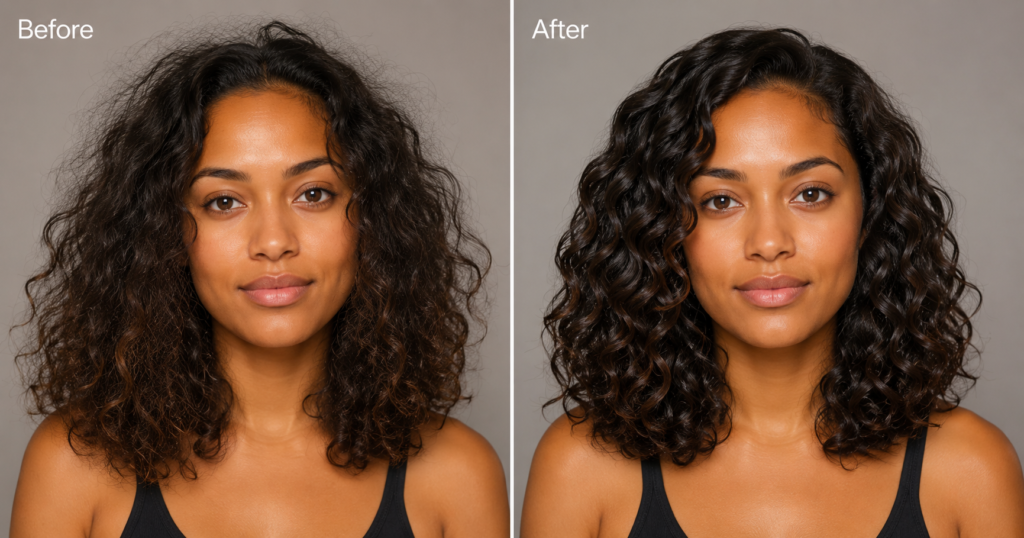
| Result | Initial softness followed by brittle, heavy, limp hair | Smoother texture, reduced frizz, and improved elasticity for weeks |
How to Get the Best Results
Getting real results from a hair botox treatment comes down to prep and patience. Here’s how I actually do it.
- Clarify first. Wash with a sulfate clarifying shampoo the day before. This strips silicone buildup and opens the cuticle so the treatment can actually penetrate. Skipping this step is the single biggest reason people see weak results.
- Start with damp, not soaking, hair. Towel-dry until the hair stops dripping. Excess water dilutes the formula and slows absorption significantly.
- Apply the treatment in sections. Work in half-inch sections from nape to crown, coating every strand from root to tip. I use a tinting brush for this. It’s slower, but the even coverage makes a visible difference.
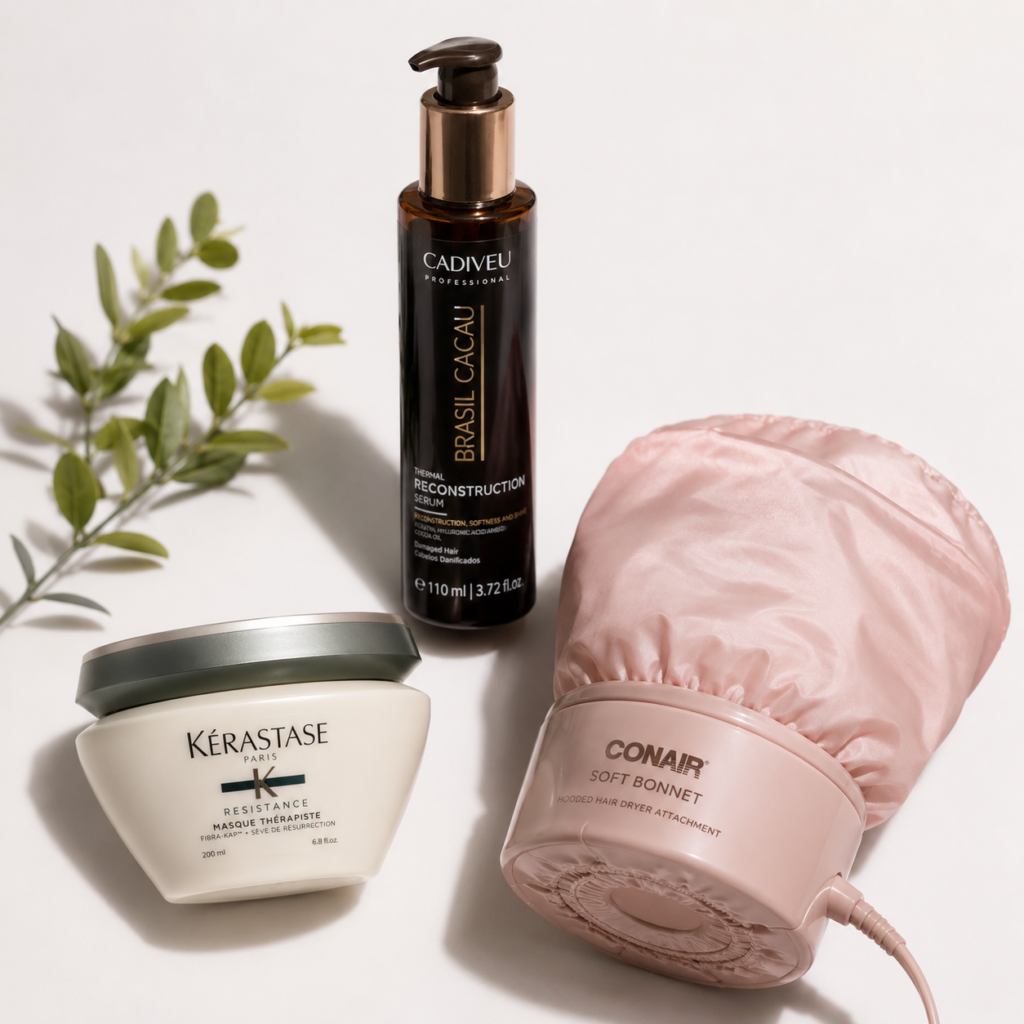
- Activate with gentle heat. Cover with a processing cap and sit under a hooded dryer, or use a heated cap like the Conair Soft Bonnet Hooded Hair Dryer Attachment, at medium heat for 30 to 45 minutes. Heat swells the cuticle temporarily, letting those peptides deposit deeper.
- Do not over-rinse. Rinse with cool water only, cool water helps close the cuticle and seal everything in. Avoid sulfate shampoos for at least 72 hours after treatment.
- Space treatments 4 to 6 weeks apart. This is the step most people skip. Protein overload turns hair brittle fast. If your hair starts feeling straw-like or snapping at brushing, that’s overload, stop and switch to a moisture-only routine for a few weeks.
Porosity Check: Which Hair Type Benefits Most
Not every hair type responds the same way. Here’s a quick guide.
Low porosity hair: cuticle layers lie flat and resist absorption. Hair botox tends to sit on top rather than penetrate without heat activation. Always use heat for this type.
Medium porosity hair: this is the sweet spot. Treatments absorb well, results last longest, and risk of overload is lowest with a 4 to 6 week schedule.
High porosity hair: damaged, bleached, or heat-styled hair absorbs treatment fast but also loses it fast. Results are dramatic but shorter-lived. For this type, alternating hair botox with a true bond-repair treatment tends to give better long-term results.
Choosing the Right Option for Your Hair
| Feature | Drugstore Pick | Salon Professional |
|---|---|---|
| Active ingredients | Primarily silicones and conditioning agents | Hydrolyzed keratin, collagen peptides, amino acids |
| Penetration depth | Surface coating only | Cortex-level deposit with heat activation |
| Frizz control | Moderate, lasts 1 to 2 weeks | Strong, typically lasts 4 to 8 weeks |
| Protein overload risk | Low (minimal real protein) | Moderate to high if overused |
| Best for | Maintenance between salon sessions | Damaged, high-porosity, or very frizzy hair |
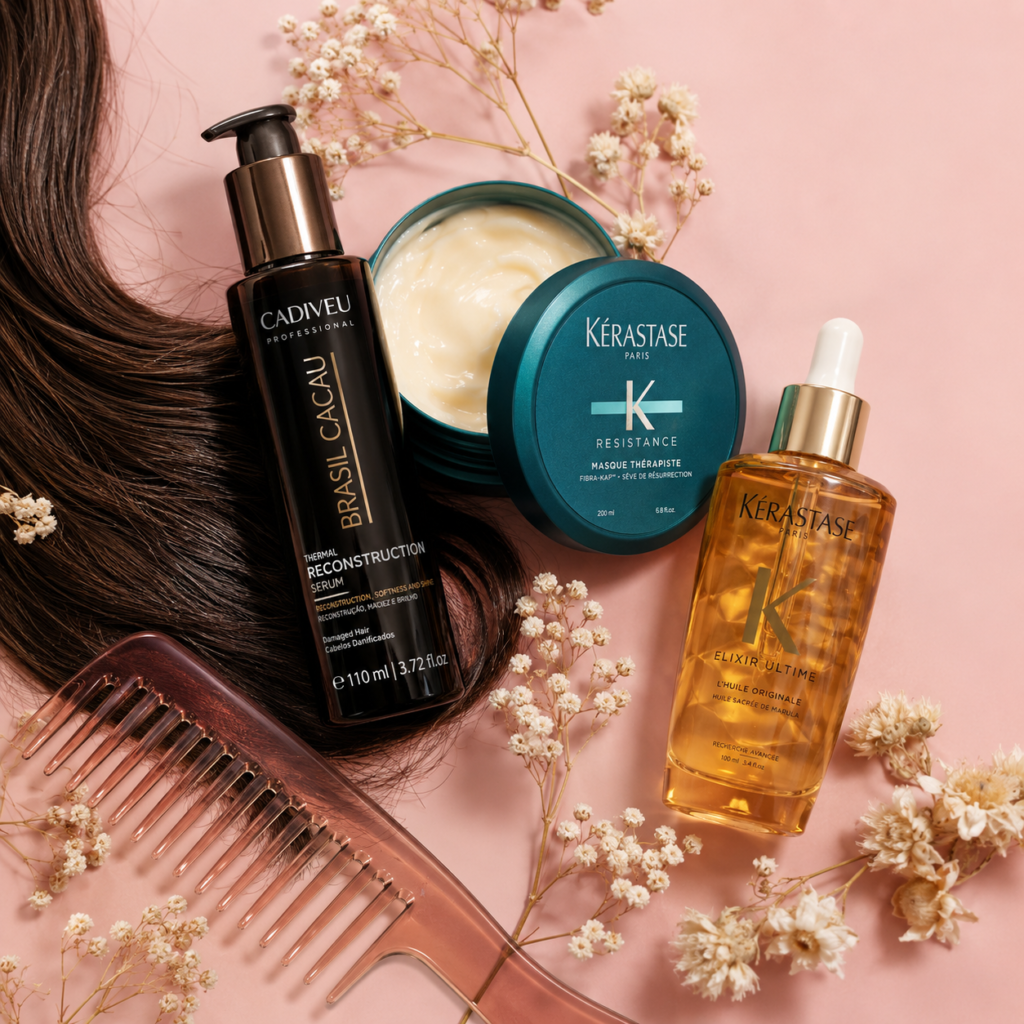
| Top pick | OGX Thick and Full Biotin and Collagen Conditioner | Cadiveu Professional Brasil Cacau Thermal Reconstruction Treatment |
Frequently Asked Questions
Is hair botox the same as keratin treatment?
No, and this distinction matters. Keratin treatments typically use formaldehyde or formaldehyde-releasing chemicals to chemically bond proteins to the hair shaft, producing longer-lasting straightening. Hair botox uses peptides and fillers without that chemical reaction. As a result, it tends to be gentler, especially for sensitive scalps, but results last a shorter time.
Can I do a hair botox treatment on color-treated hair?
Generally, yes — and it often helps. However, I’d wait at least two weeks after coloring before applying any protein treatment. Color processing opens the cuticle aggressively, and applying protein immediately after can cause uneven texture. Most importantly, avoid sulfate shampoos both pre-color and post-botox to keep both services lasting longer.
How long do hair botox results usually last?
For most people, results last four to eight weeks depending on hair porosity, wash frequency, and water hardness. High-porosity hair tends to lose results faster, often around the four-week mark. Using a sulfate-free shampoo and cool water rinses can extend results by roughly an additional week in my observation.
Does hair botox help with hair loss or thinning?
Not directly. Hair botox is a cosmetic treatment, it makes existing strands appear thicker and fuller because the filler compounds temporarily expand the hair shaft. Therefore, it can create the look of more volume. However, it does nothing for actual follicle health, growth cycles, or underlying thinning causes. For those concerns, a trichologist visit is a better first step.
What I Learned?
Hair botox treatment is genuinely useful, but it’s a maintenance tool, not a miracle repair, and the mainstream beauty world oversells it constantly. For frizzy, high-porosity, or chemically processed hair, a professional-grade formula used every four to six weeks alongside a bond repair routine will give you far better long-term results than weekly at-home treatments ever will. Pin this so you have the protocol handy for your next wash day.