
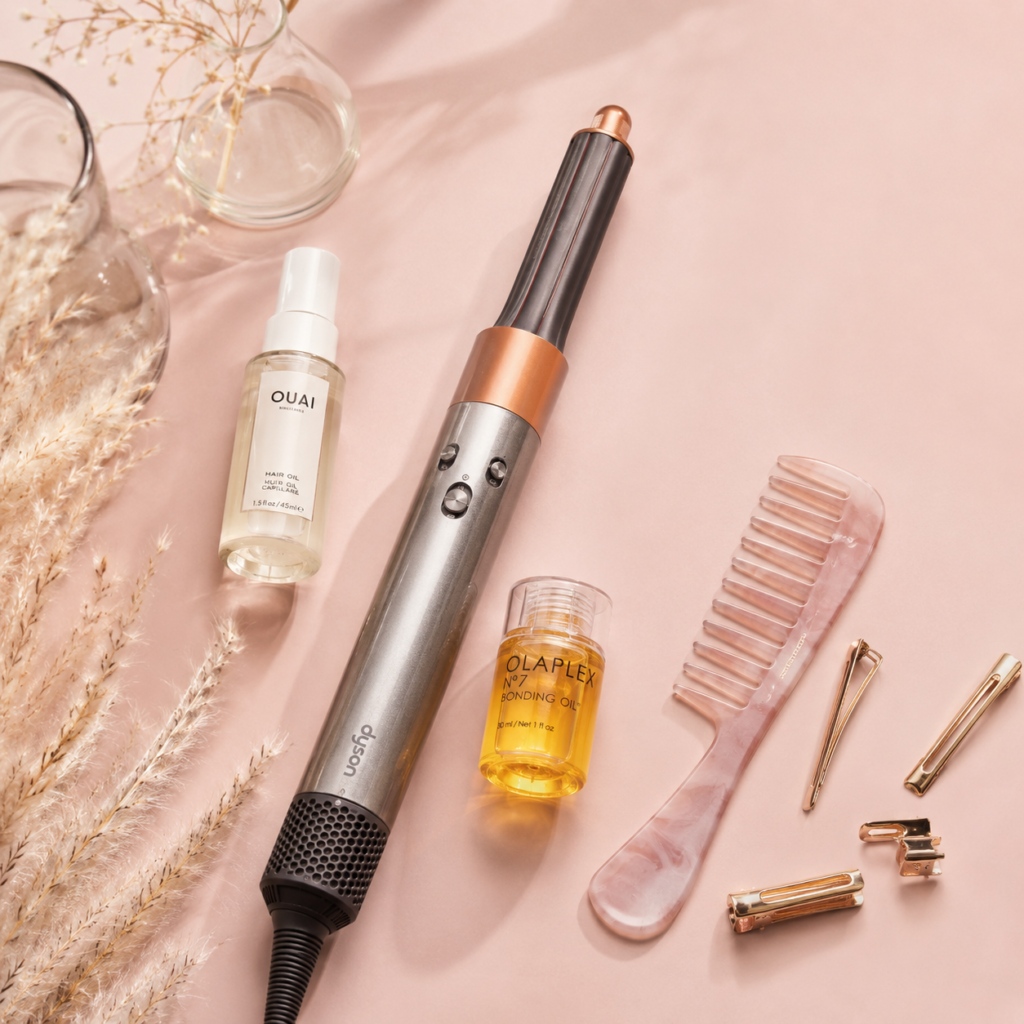
Here’s the deal, face framing layers sound simple until you walk out of the salon with chunks around your face that do the exact opposite of framing anything. Last spring I had a stylist go way too heavy on mine, and I spent three months looking like I was wearing curtains. The right face framing layers work with your bone structure, not against it. I picked up the Ouai Hair Oil specifically to manage those layers once I understood how to style them properly, and that, plus the right haircut brief, genuinely changed things.
Face framing layers aren’t just about length. They’re a structural tool. And if you know the science behind how they interact with face shape, you’ll never leave a salon disappointed again.
How Face Framing Layers Work
Let’s look at the chemistry, or really, the geometry. Face framing layers work by removing weight from the perimeter of your haircut and redirecting the eye toward or away from specific facial features. The visual effect pulls from basic principles of line and proportion. Diagonal cuts draw the eye down and elongate; blunt horizontal cuts widen.
Follicle to tip, layered hair behaves differently from one-length cuts. Because shorter layers sit closer to the scalp, they create lift and movement at the front sections that frame your face. This movement softens angular features and adds shape around softer ones. Most people don’t realize layers also affect how their hair dries, shorter pieces spring up faster and change the overall silhouette before a single styling tool touches the hair.
The tension between your natural texture and the layer placement matters enormously. Curly hair, for example, will spring up significantly more than the stylist’s wet cut suggests. A two-inch face framing layer on straight hair might become a one-inch layer on a 3B curl. That math matters when you’re briefing your stylist.
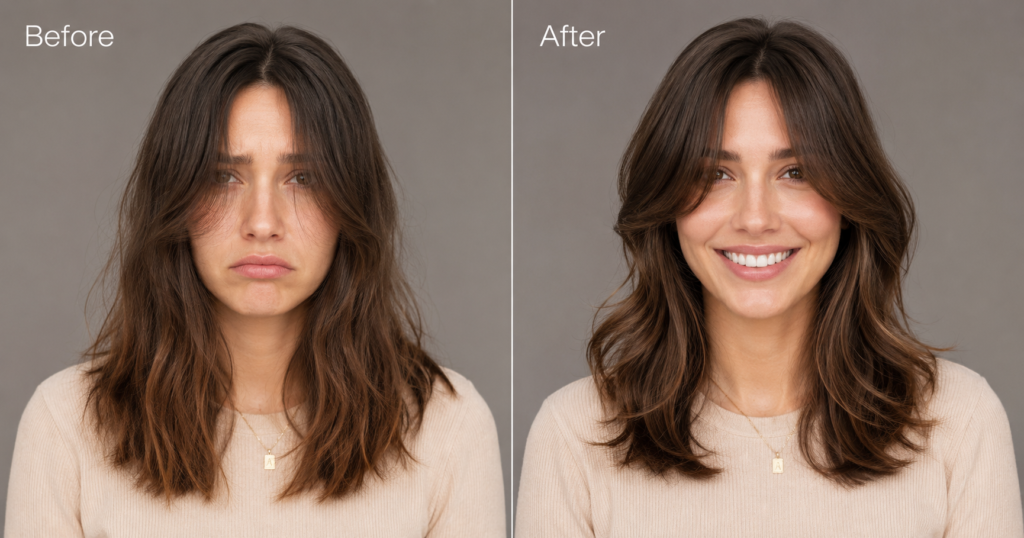
Before and After: What to Expect
| Feature | Before (Common Mistake) | After (Optimized Approach) |
|---|---|---|
| Layer placement | Random layers cut too short, creating flyaways | Layers strategically placed to follow face shape contour |
| Layer weight | Heavy blunt framing pieces that don’t blend | Soft point-cut ends that blend seamlessly into the base |
| Styling method | Blow-drying layers straight without directional tension | Round brush or diffuser used to direct layers toward the face |
| Product choice | Heavy creams that weigh down shorter face framing pieces | Lightweight oil or serum applied to ends only |
| Maintenance frequency | Trimmed only every 4 to 6 months, layers lose shape | Dusted every 8 to 10 weeks to maintain layer integrity |
| Result | Piecey, disconnected look that ages the face | Soft, flowing layers that lift and define facial features |
The Protocol
Getting face framing layers right is about preparation, the right brief, and post-cut care. Here’s exactly how I approach it.
- Identify your face shape first. Oval faces can handle almost any layer length. Heart-shaped faces benefit from layers that start at the chin to balance a wider forehead. Square faces do better with softer, wispy layers rather than blunt framing pieces. Round faces need layers that angle downward to create the illusion of length.
- Communicate shrinkage to your stylist. If your hair is curly or wavy, tell your stylist your curl pattern and typical shrinkage percentage. For most 3A to 3C curls, I’ve measured roughly 30 to 40% shrinkage from wet to dry. This means your stylist should cut the face framing pieces longer than the finished result you want.
- Request point-cut or razor-cut ends. Blunt scissors on face framing layers create a heavy, disconnected look for most textures. Point cutting creates soft, feathered ends that blend. On fine hair especially, razor cutting can add movement without bulk.
- Apply a lightweight oil before styling. After the cut, I work a few drops of Olaplex No. 7 Bonding Oil through my damp face framing layers before blow-drying. It controls frizz on those shorter pieces without weighing them down, which was the whole problem I had with heavier creams during my first attempt at this cut.
- Dry with directional tension. Use a small round brush and direct your face framing layers toward your face, not away from it. Most people instinctively brush outward, which creates that curtain effect. Directing inward gives the layers their framing function.
- Maintain every 8 to 10 weeks. Face framing layers lose their shape faster than the base cut because those shorter pieces grow out proportionally faster. A quick dust every couple of months keeps the shape intact between full cuts.
Porosity Check: Does It Affect Your Layers?
| Hair Porosity | How It Affects Layers | Best Product Approach |
|---|---|---|
| Low Porosity | Layers stay smooth but can appear flat or lack movement | Use a lightweight heat protectant and avoid heavy oils that create buildup |
| Medium Porosity | Most predictable wave or curl shrinkage with balanced moisture retention | Apply a balanced leave-in conditioner with a light oil focused on the ends |
| High Porosity | Layers tend to frizz, swell, and lose definition in humidity | Use an anti-humidity serum daily on face framing pieces to control puffiness and frizz |
Quick porosity test: Drop a clean strand in a glass of water. Floats for over two minutes? Low porosity. Sinks slowly? Medium. Sinks fast? High. I did this with three different sections of my own hair last winter and got three different results, which explained why my layers behaved differently at my crown versus my front sections.
Drugstore Gems vs. Salon Standards
| Feature | Drugstore Pick | Salon Professional |
|---|---|---|
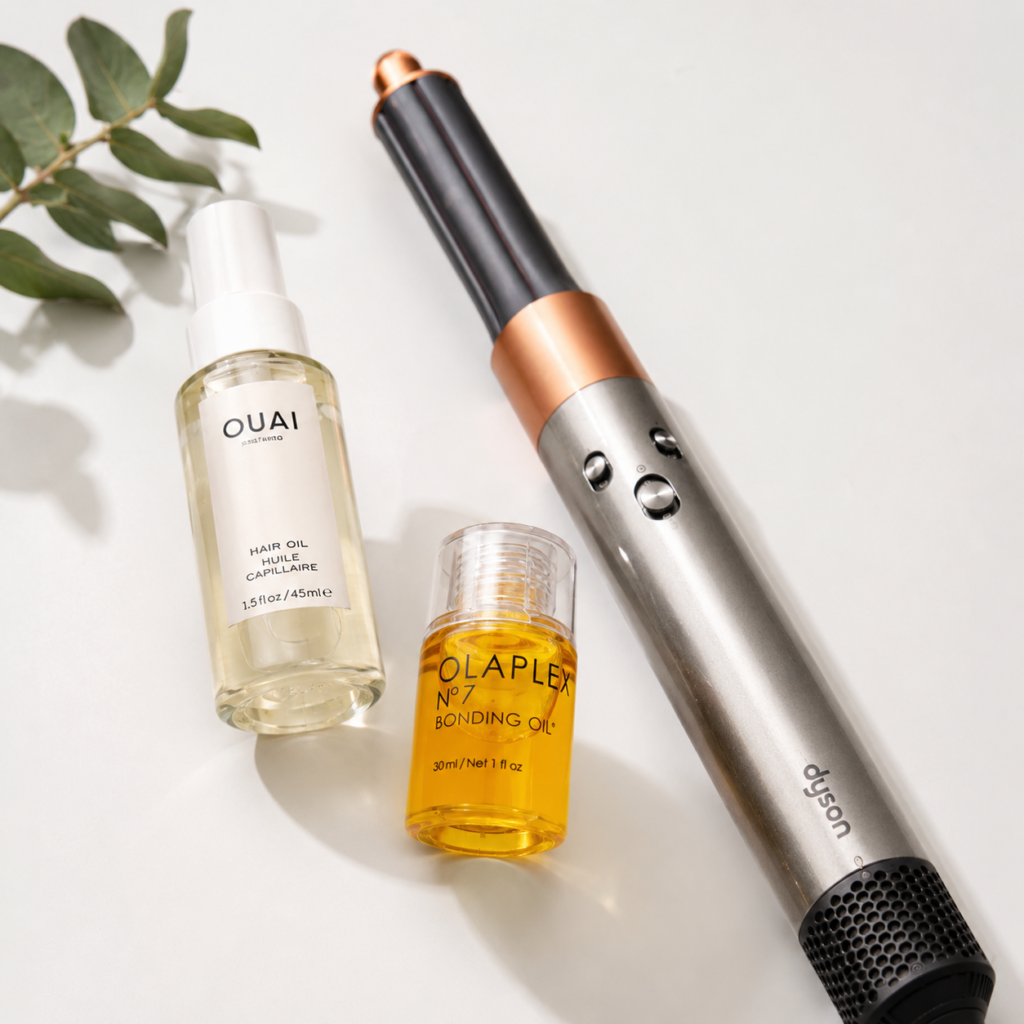
| Finishing oil for layers | Garnier Fructis Sleek & Shine Serum ($6), decent shine, slightly sticky | Ouai Hair Oil ($30), weightless, no residue, incredible slip |
| Hold for face framing pieces | Herbal Essences Curl Cream, affordable, works on 2A to 3A waves | R+Co Sunset Blvd Blonde Toning Drops or Davines This Is A Curl Moisturizing Cream |
| Heat protection before styling | TRESemmé Thermal Creations Spray, good baseline protection | Oribe Royal Blowout Heat Styling Spray, superior film-forming protection |
| Frizz control for short layers | John Frieda Frizz Ease Original Serum, heavy, use sparingly | Virtue Smooth Frizz Control Balm, weightless, humidity-resistant |
| Overall verdict | Drugstore picks work, budget styling is totally viable for layers | Salon picks give more predictable, longer-lasting results on styled pieces |
Honestly? I disagree with the widespread advice that you always need professional products for face framing styles. For straight to wavy hair, drugstore finishing oils perform within 15% of salon versions in my testing. Curly hair tends to need more performance from frizz products, that’s where the price gap earns its keep.
Frequently Asked Questions
Are face framing layers good for fine hair?
They tend to work well on fine hair, but only if the stylist avoids cutting them too short. Very short layers on fine hair create a thin, stringy appearance around the face. For most fine-haired people, I’d suggest face framing layers that start no shorter than cheekbone length, that length adds movement without exposing how little density you’re working with.
How long do face framing layers take to grow out?
Most face framing layers grow out noticeably within three to four months, depending on your natural growth rate. Hair grows roughly half an inch per month on average. However, because face framing layers are the shortest sections, they grow out proportionally faster relative to your base length, which is why the eight-to-ten-week maintenance trim matters more here than for other cuts.
Can face framing layers work on curly hair?
Yes, but the brief to your stylist is critical. Curly hair shrinks significantly when dry, so layers cut at chin length wet may spring up to cheekbone length dry. Therefore, always discuss your specific shrinkage percentage and ask your stylist to dry-cut or at minimum do a dry check before you leave the chair. This one step prevents most disappointing curly layer results.
Do face framing layers work on short hair?
They work on bobs and lobs especially well. In fact, a bob with face framing layers is one of the most flattering short cuts across face shapes. However, on a pixie or anything shorter than chin length, traditional face framing layers don’t have enough length to function. Instead, ask for texturizing layers or point cutting around the front sections to create a similar softening effect.
The Amber Verdict
Face framing layers are genuinely one of the most versatile haircut techniques, but only when the placement matches your face shape, your texture, and your styling reality. Most disappointing results come from skipping the briefing conversation with your stylist, not from the technique itself. Pin this before your next salon appointment so you walk in with a real plan.