
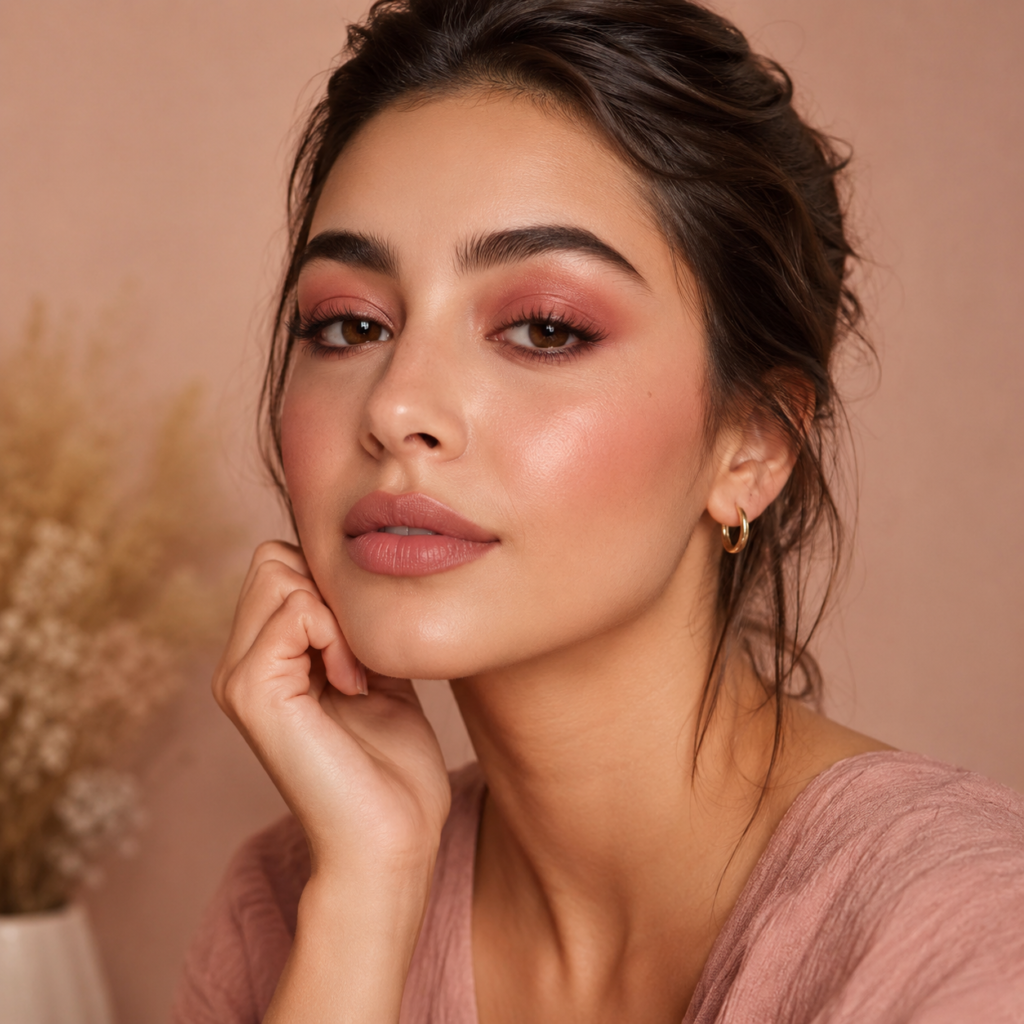
Monochromatic makeup is one of those beauty techniques that looks effortlessly chic while requiring surprisingly little effort. Instead of combining multiple contrasting shades, this approach focuses on using colors from the same family across your eyes, cheeks, and lips. The result is a balanced, polished appearance that feels intentional without looking overdone.
What makes this trend so appealing is its versatility. Whether you love soft pinks, warm peaches, rich berries, or earthy browns, there is a version that can suit your style, skin tone, and occasion. It works just as beautifully for a quick everyday routine as it does for weddings, parties, and special events.
Another reason this technique continues to gain popularity is that it simplifies makeup application. Rather than wondering whether your blush matches your lipstick or if your eyeshadow clashes with your overall look, you can build your entire routine around one color story.
In this guide, you’ll learn what monochromatic makeup is, why it works so well, how to create it, and the most flattering color combinations to try.
What Is Monochromatic Makeup?
At its core, monochromatic makeup is the practice of using variations of the same color family on different areas of the face. The eyes, cheeks, and lips are tied together through a coordinated palette, creating a seamless and harmonious finish.
For example, if you choose peach as your main color, you might wear a soft peach shadow, a warm peach blush, and a peach-toned lip color. The shades don’t need to be identical. In fact, using lighter and deeper versions of the same tone often creates a more sophisticated result.
Unlike dramatic glam styles that rely on contrast, this technique emphasizes balance. The goal is not to make one feature stand out more than the others but to create a look where everything works together naturally.
Why This Technique Works So Well
Beauty trends come and go, but coordinated color palettes remain timeless for several reasons.
It Creates Instant Harmony
When the tones on your eyes, cheeks, and lips complement each other, the entire face appears more balanced. Nothing feels disconnected or out of place.
It Simplifies Product Selection
Instead of choosing multiple color stories, you only need to focus on one. This can save time during both shopping and application.
It Works for Every Age Group
Whether you’re in your twenties or your sixties, a cohesive color palette can enhance your natural features without looking excessive.
It Adapts to Every Occasion
Soft shades work beautifully for daytime wear, while deeper versions of the same colors can instantly transform your look for evening events.
How to Create a Beautiful Coordinated Look
Creating a polished appearance doesn’t require professional-level skills. Following a few simple steps can help you achieve a balanced result.
Start With Healthy, Hydrated Skin
Great makeup always starts with good preparation. Apply moisturizer and primer before beginning your routine.
A smooth base helps makeup blend more easily and improves wear throughout the day.
Choose Your Color Family
Decide on the overall mood you want to create.
Popular choices include:
- Soft pink
- Peach
- Rose
- Mauve
- Berry
- Terracotta
- Bronze
- Nude
- Warm brown
Once you’ve selected your shade family, use variations of that color throughout your look.
Apply Eyeshadow First
Begin with the eyes. Sweep a lighter shade across the lid and add a slightly deeper tone to the crease for dimension.
This approach helps create depth without losing the coordinated effect.
Add Complementary Blush
Blush acts as the bridge between the eyes and lips. Apply it softly to the apples of the cheeks and blend upward for a natural finish.
Finish With Lip Color
Complete the look using a lipstick, gloss, or tint that belongs to the same color family.
The goal is consistency rather than perfect matching.
Choosing the Best Shades for Your Skin Tone
The most flattering looks are often those that complement your undertones.
Fair Skin
Soft pinks, roses, light peaches, and delicate mauves tend to enhance lighter complexions beautifully.
Light to Medium Skin
Warm peaches, corals, rosy tones, and soft terracottas can add warmth and radiance.
Olive Skin
Caramel, bronze, copper, and warm brown shades often look especially flattering.
Deep Skin Tones
Rich berries, plums, deep roses, chocolate tones, and copper hues create stunning results while maintaining depth and dimension.
12 Gorgeous Color Ideas to Try
1. Soft Pink Glow
Fresh, feminine, and universally flattering, soft pink creates a youthful appearance that works year-round.
2. Peach Perfection
Peach shades bring warmth and brightness to the complexion, making them ideal for spring and summer.
3. Romantic Rose
Rose-inspired tones strike the perfect balance between natural and elegant.
4. Coral Freshness
Coral offers a lively pop of color without feeling overwhelming.
5. Everyday Mauve
Mauve delivers sophistication while remaining subtle enough for work or school.
6. Berry Beauty
Rich berry tones create a romantic, slightly dramatic appearance that feels perfect for evenings.
7. Terracotta Warmth
Terracotta shades add depth and richness while remaining wearable.
8. Nude Elegance
A nude-focused palette enhances natural features while maintaining a clean, polished look.
9. Mocha Chic
Warm mocha tones create a sophisticated appearance that suits many skin tones.
10. Bronze Goddess
Bronze shades provide a radiant, sun-kissed finish that feels glamorous yet effortless.
11. Latte-Inspired Glam
The popular latte makeup trend uses soft caramel and coffee-inspired tones to create a warm, dimensional finish.
12. Plum Sophistication
Plum shades add richness and depth without appearing too bold.
Cream vs Powder Products
One of the most common questions people ask is whether cream or powder products are better for this style.
Why Cream Products Are Popular
Cream formulas blend seamlessly into the skin and often create the most natural-looking finish.
They also make it easier to use one product across multiple areas of the face.
When Powders Make Sense
Powders generally last longer and can provide additional structure and definition.
Combining Both Formulas
Many makeup artists use creams for a natural base and powders to lock everything in place.
This combination often delivers the best of both worlds.
Essential Products Worth Having
You don’t need a huge collection to create beautiful looks.
A few versatile products can provide endless possibilities.
A quality lip-and-cheek tint can instantly simplify your routine while maintaining color consistency.
A versatile palette containing pinks, peaches, browns, mauves, and berry shades allows you to experiment with multiple color stories using one product.
Common Mistakes to Avoid
Even simple techniques can go wrong if certain details are overlooked.
Using the Same Intensity Everywhere
Applying identical color depth to the eyes, cheeks, and lips can make the face appear flat.
Instead, vary the intensity while staying within the same color family.
Ignoring Undertones
Not every shade works equally well on every complexion. Choosing colors that complement your undertones can make a significant difference.
Over-Applying Blush
Because blush plays such an important role in tying the look together, it’s easy to apply too much.
Build color gradually for the most natural result.
Forgetting Dimension
Even coordinated looks benefit from subtle depth. A touch of highlighter or a slightly deeper crease shade can make the entire face appear more polished.
Taking Your Look From Day to Night
One of the best things about this style is how easy it is to transform.
Daytime Version
Keep the eyes soft, apply blush lightly, and choose a sheer lip color.
Evening Upgrade
Deepen the eyeshadow, intensify the lip color, and add a hint of shimmer for extra impact.
Small adjustments can create a dramatic difference without requiring a complete makeup redo.
Frequently Asked Questions
Is monochromatic makeup suitable for beginners?
Yes. It’s one of the easiest techniques to learn because it simplifies color selection and creates natural harmony.
What colors work best?
Pink, peach, rose, mauve, berry, bronze, nude, and brown tones are among the most versatile options.
Can I use the same product on my cheeks and lips?
Many modern beauty products are designed for multi-purpose use, making them ideal for creating a coordinated appearance.
Does it work for mature skin?
Absolutely. Soft, blended tones often create a fresh and flattering finish on mature complexions.
Is this trend appropriate for everyday wear?
Yes. The technique can be adjusted to be as subtle or as glamorous as you prefer.
What makes it different from natural makeup?
Natural makeup focuses on minimal enhancement, while monochromatic makeup focuses on color harmony. The two styles can overlap, but they serve different purposes.
Conclusion
Monochromatic makeup proves that creating a polished beauty look doesn’t have to be complicated. By choosing a single color family and carrying it through the eyes, cheeks, and lips, you can achieve a balanced appearance that feels modern, elegant, and effortless.
Whether you gravitate toward soft pinks, warm peaches, rich berries, or earthy bronzes, the secret lies in maintaining harmony while allowing enough variation to create depth. Start with shades you naturally love, experiment with different intensities, and you’ll quickly discover why this timeless technique continues to be a favorite among beauty enthusiasts and professional makeup artists alike.