
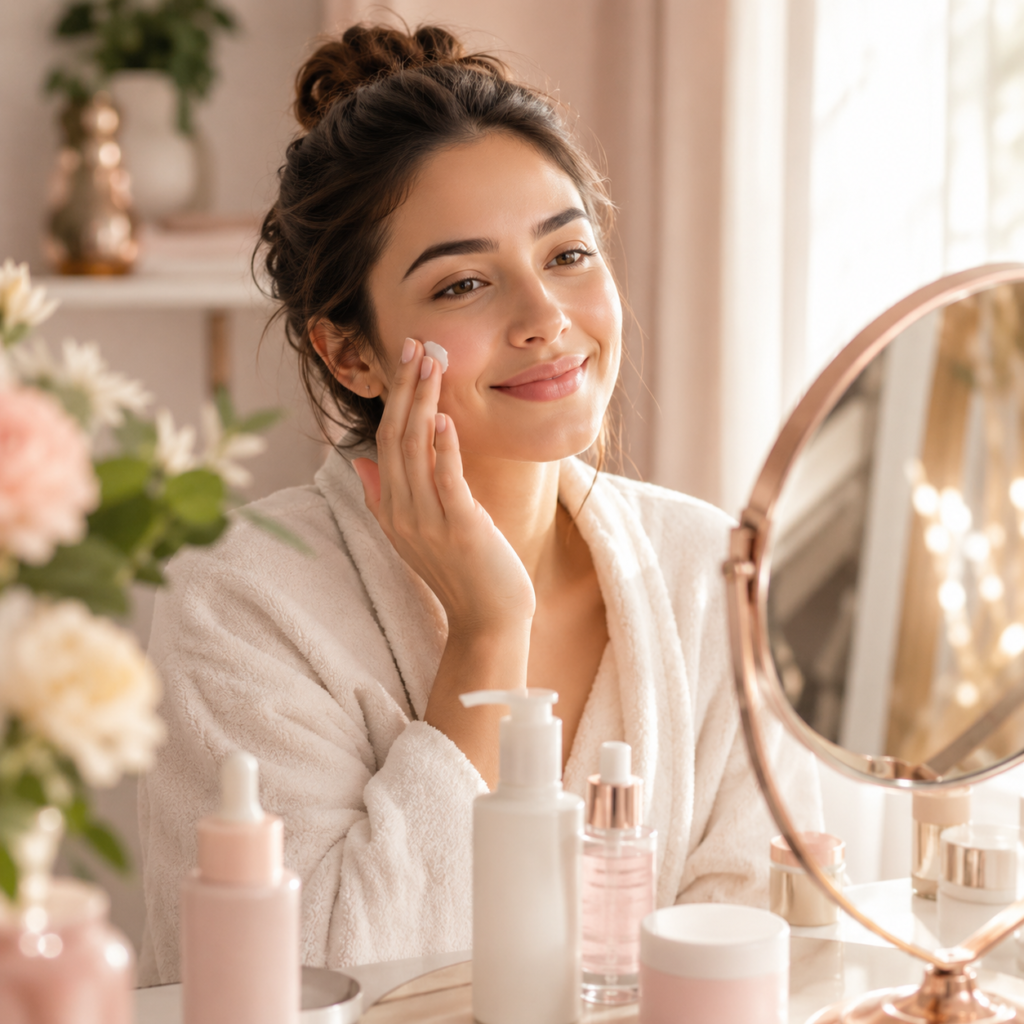
Scrolling through social media can make glowing skin look effortless, but behind every fresh, radiant complexion is usually a consistent skincare routine, not a cabinet full of expensive products. If you’ve been searching for a skincare routine for glow up, you’re probably hoping to achieve brighter, smoother, and healthier-looking skin without wasting money on products that don’t work.
The good news is that glowing skin isn’t reserved for celebrities or influencers. A well-planned routine, combined with the right ingredients and healthy habits, can help almost anyone improve their complexion over time. Whether you’re dealing with dull skin, dehydration, uneven skin tone, or occasional breakouts, building the right skincare routine can make a noticeable difference.
In this guide, you’ll learn how to create a daily routine that fits your skin, understand which ingredients deserve a place on your shelf, discover the correct skincare layering order, and avoid common mistakes that often slow down progress. By the end, you’ll have a practical plan for achieving a natural, healthy glow that lasts.
What Does a Skincare Glow Up Actually Mean?
A skincare routine for glow up isn’t about changing your appearance overnight. Instead, it’s about improving your skin’s overall health so it naturally looks brighter, smoother, and more balanced through consistent daily care.
People often associate glowing skin with glass-like perfection, but in reality, healthy skin has several characteristics:
- Even skin tone
- Smooth texture
- Healthy hydration
- Strong skin barrier
- Fewer breakouts
- Minimal redness
- Natural radiance
Many factors can make your complexion appear tired or dull, including dehydration, lack of sleep, sun damage, stress, poor skincare habits, and environmental pollution. Fortunately, most of these issues can be improved with consistency rather than complexity.
Instead of chasing every new skincare trend, focus on building habits that support long-term skin health.
Build the Right Foundation Before Buying More Products
One of the biggest mistakes beginners make is purchasing dozens of products before understanding what their skin actually needs. A successful glow up skincare routine starts with knowing your skin rather than following viral recommendations.
Identify Your Skin Type
Your skin type determines which products are most likely to work well.
Dry Skin
Dry skin often feels tight after cleansing and may develop flaky patches. It benefits from richer moisturizers, ceramides, hyaluronic acid, and gentle cleansers.
Oily Skin
Oily skin naturally produces more sebum, making enlarged pores and shine more common. Lightweight moisturizers, niacinamide, and salicylic acid are often helpful.
Combination Skin
Combination skin usually has an oily T-zone with normal or dry cheeks. A balanced routine works best rather than treating the entire face the same way.
Sensitive Skin
Sensitive skin reacts easily to fragrances, harsh exfoliants, or overly active routines. Keeping products simple and fragrance-free is usually the safest approach.
Acne-Prone Skin
If breakouts are your main concern, look for products containing ingredients such as salicylic acid or niacinamide while maintaining a healthy skin barrier.
Understand Your Biggest Skin Concern
Ask yourself what you’d most like to improve.
Perhaps your focus is:
- Dull skin
- Hyperpigmentation
- Uneven texture
- Dehydrated skin
- Fine lines
- Enlarged pores
- Redness
- Dark spots
Once you identify your main concern, choosing products becomes much easier.
Why Simplicity Often Wins
Many people believe more products equal better results, but layering too many active ingredients often leads to irritation.
A beginner skincare routine can be surprisingly effective with just four essentials:
- Gentle cleanser
- Treatment serum
- Moisturizer
- Sunscreen
Adding products gradually helps your skin adjust while allowing you to see what truly works.
Morning Skincare Routine for a Glow Up
Your morning routine prepares your skin to face UV rays, pollution, makeup, and daily environmental stressors. Every step should support hydration while protecting your skin barrier.
Step 1: Cleanse Gently
Start your morning with a gentle facial cleanser that removes overnight oil without stripping away moisture.
If your skin is very dry, simply rinsing with lukewarm water may be enough. Oily or combination skin usually benefits from a mild cleanser.
Look for ingredients such as:
- Glycerin
- Ceramides
- Amino acids
Avoid cleansers that leave your skin feeling squeaky clean, as this often indicates the skin barrier has been compromised.
Step 2: Apply an Antioxidant Serum
One of the most effective ways to improve skin radiance is by using a Vitamin C serum.
Vitamin C helps:
- Brighten dull skin
- Improve uneven skin tone
- Fade post-acne marks
- Support collagen production
- Protect against environmental damage
If you’re new to active ingredients, start by applying it once daily in the morning.
Step 3: Lock in Hydration
Hydrated skin naturally reflects light better, creating that healthy glow most people want.
After your serum, apply a moisturizer that suits your skin type.
Some of the most beneficial ingredients include:
- Hyaluronic Acid
- Ceramides
- Squalane
- Glycerin
- Peptides
These ingredients help strengthen the skin barrier while reducing moisture loss throughout the day.
Step 4: Never Skip Sunscreen
No skincare routine for glowing skin is complete without sunscreen.
Daily sun protection prevents:
- Premature aging
- Dark spots
- Uneven pigmentation
- Fine lines
- Collagen breakdown
Even if you spend most of your day indoors, UVA rays can still reach your skin through windows.
Choose a broad-spectrum sunscreen with at least SPF 30, and remember to reapply if you’re outdoors for extended periods.
Evening Skincare Routine for Overnight Skin Repair
While you sleep, your skin naturally repairs itself. Your nighttime routine should focus on cleansing, recovery, and replenishing moisture.
Step 1: Remove Sunscreen and Makeup
If you’ve worn sunscreen or makeup during the day, remove everything thoroughly before cleansing.
Double cleansing can be especially beneficial if you wear long-lasting makeup or water-resistant sunscreen.
Start with:
- Cleansing balm
- Oil cleanser
- Micellar water
Then follow with your regular gentle cleanser.
Clean skin allows treatment products to absorb more effectively.
Step 2: Apply Treatment Products
Evening is often the best time to use ingredients that encourage skin renewal.
Depending on your skin concerns, consider ingredients like:
- Retinol
- Niacinamide
- Azelaic Acid
- Peptides
Avoid introducing multiple active ingredients at once. Start slowly and monitor how your skin responds before expanding your routine.
These ingredients can gradually improve:
- Fine lines
- Skin texture
- Hyperpigmentation
- Acne marks
- Overall skin clarity
Step 3: Moisturize to Support the Skin Barrier
The final step in your evening routine is sealing in hydration with a nourishing moisturizer.
A healthy skin barrier helps reduce irritation, locks in moisture, and allows your complexion to recover overnight.
If your skin feels especially dry, consider using a richer night cream with barrier-supporting ingredients such as ceramides and squalane.
A ceramide-rich moisturizer can help strengthen your skin barrier overnight.
Weekly Treatments That Help Boost Your Glow
A consistent daily routine does most of the heavy lifting, but adding a few weekly treatments can take your skin to the next level. These treatments help remove dead skin cells, replenish moisture, and improve overall skin texture without overwhelming your skin.
Gentle Exfoliation
Exfoliation removes the layer of dead skin that can make your complexion appear dull. It also allows serums and moisturizers to absorb more effectively.
If you’re new to exfoliating, start with a chemical exfoliant instead of a harsh scrub. Ingredients like glycolic acid, lactic acid, or salicylic acid help smooth skin while minimizing irritation when used correctly.
Most people only need to exfoliate one to two times per week. Over-exfoliating can weaken your skin barrier and lead to redness, dryness, and increased sensitivity.
Hydrating Masks
A hydrating face mask is a simple way to give your skin an extra moisture boost, especially during colder months or after long days in air-conditioned environments.
Look for masks containing:
- Hyaluronic Acid
- Glycerin
- Aloe Vera
- Panthenol
- Ceramides
These ingredients help replenish hydration and leave skin looking plumper and healthier.
Recovery Nights
Not every evening should include active ingredients. Recovery nights allow your skin barrier to rest and rebuild.
On these nights, focus on:
- Gentle cleansing
- Hydrating serum
- Rich moisturizer
Keeping your routine simple once or twice a week often improves long-term results.
Ingredients That Actually Improve Skin Radiance
Many skincare products promise glowing skin, but only a handful of ingredients consistently deliver noticeable results. Understanding what each ingredient does makes it easier to choose products that suit your goals.
Vitamin C
Vitamin C is one of the best ingredients for brightening dull skin. It helps reduce the appearance of dark spots, supports collagen production, and protects against environmental damage caused by free radicals.
It’s ideal for morning use before moisturizer and sunscreen.
Niacinamide
Niacinamide is a versatile ingredient that works well for almost every skin type.
Benefits include:
- Reducing excess oil
- Improving uneven skin tone
- Minimizing the appearance of pores
- Strengthening the skin barrier
- Calming redness
Because it’s gentle, niacinamide is a great choice for beginners.
Hyaluronic Acid
Despite its name, hyaluronic acid isn’t an exfoliating acid. It’s a powerful humectant that attracts moisture to the skin, helping it look smoother, plumper, and more hydrated.
Apply it to slightly damp skin before your moisturizer for the best results.
Ceramides
Ceramides are naturally found in healthy skin and play an important role in maintaining the skin barrier.
If your skin feels dry, irritated, or sensitive, ceramide-rich products can help restore comfort and reduce moisture loss.
Retinol
Retinol supports cell turnover, improves skin texture, softens fine lines, and gradually fades hyperpigmentation.
Because it can be irritating at first, begin by using it one or two nights per week before increasing frequency.
Skincare Routine Adjustments for Every Skin Type
No single skincare routine works for everyone. Customizing your routine based on your skin type leads to better long-term results.
Dry Skin
Prioritize hydration with creamy cleansers, nourishing moisturizers, ceramides, and hyaluronic acid. Avoid alcohol-based products that can increase dryness.
Oily Skin
Use lightweight, non-comedogenic products that help balance oil production without stripping the skin. Niacinamide and salicylic acid are excellent additions.
Combination Skin
Choose lightweight products while adjusting heavier moisturizers only where your skin feels dry.
Sensitive Skin
Introduce new products gradually and avoid layering multiple active ingredients at the same time. Fragrance-free formulas are often the safest option.
Acne-Prone Skin
Focus on consistency instead of aggressive treatments. Maintaining a healthy skin barrier while using targeted ingredients like salicylic acid or niacinamide often leads to better improvements than overloading the skin with products.
Product Layering Order Made Simple
Using great products in the wrong order can reduce their effectiveness.
Follow this simple sequence:
Morning
- Cleanser
- Vitamin C Serum
- Hyaluronic Acid Serum (if using)
- Moisturizer
- Sunscreen
Evening
- Makeup Remover or Oil Cleanser
- Gentle Cleanser
- Treatment Serum (Retinol or Niacinamide)
- Moisturizer
Applying products from the lightest texture to the richest helps each layer absorb properly.
Ingredients You Should and Shouldn’t Mix
As part of a skincare routine for glow up, some ingredients work beautifully together, while others are best used separately to keep your skin healthy and avoid irritation.
Great Combinations
- Vitamin C + Sunscreen
- Niacinamide + Hyaluronic Acid
- Ceramides + Retinol
- Peptides + Moisturizer
Use with Caution
- Retinol + Glycolic Acid
- Retinol + Salicylic Acid
- Multiple exfoliating acids in one routine
If you’re unsure, introduce only one new active ingredient at a time.
Morning vs. Night Routine Comparison
| Morning Routine | Night Routine |
|---|---|
| Remove overnight oil | Remove sunscreen and makeup |
| Vitamin C Serum | Retinol or treatment serum |
| Moisturizer | Rich moisturizer |
| Sunscreen | Overnight skin repair |
Both routines play different but equally important roles in maintaining healthy skin.
Glow-Up Habits Beyond Skincare
Even the best skincare products can’t replace healthy daily habits.
Prioritize Quality Sleep
Your skin performs much of its natural repair process while you sleep. Aim for seven to nine hours each night whenever possible.
Stay Hydrated
Drinking enough water supports overall health and helps maintain healthy skin hydration.
Eat Nutrient-Rich Foods
Foods rich in antioxidants, healthy fats, vitamins, and protein help support collagen production and overall skin health.
Manage Stress
Chronic stress can contribute to breakouts and inflammation. Activities like walking, meditation, or gentle exercise may help.
Stay Active
Regular movement improves circulation, helping deliver oxygen and nutrients to the skin.
Common Mistakes That Slow Down Results
Many people unknowingly prevent their skin from improving by making a few common mistakes.
- Skipping sunscreen
- Over-exfoliating
- Changing products too frequently
- Using too many active ingredients at once
- Sleeping with makeup on
- Ignoring your skin type
- Expecting overnight results
Remember, healthy skin develops gradually through consistency.
When Will You Start Seeing Results?
Everyone’s skin responds differently, but this timeline offers realistic expectations.
Week 1
Your skin may begin feeling cleaner and better hydrated.
Weeks 2 to 4
Texture often becomes smoother, and hydration improves noticeably.
Month 2
You may start seeing a more even skin tone and fewer breakouts.
Month 3
With consistent care, many people notice brighter, healthier, and more radiant skin.
Patience is one of the most valuable parts of any glow up skincare routine.
Simple Glow-Up Routine If You’re Busy
If you don’t have time for a lengthy skincare routine, stick with these essentials.
Morning
- Gentle Cleanser
- Moisturizer
- Sunscreen
Evening
- Cleanser
- Treatment Serum
- Moisturizer
A simple routine followed consistently often delivers better results than a complicated routine that’s difficult to maintain.
Frequently Asked Questions
How long does a skincare glow up take?
Most people notice improvements within four to twelve weeks, depending on their skin concerns and consistency.
Can beginners follow this skincare routine for glow up?
Yes. This routine is designed to be beginner-friendly and can be adjusted as your skin becomes more comfortable with active ingredients.
Do I need expensive skincare products?
No. Many affordable products contain the same effective ingredients found in premium brands. Focus on ingredients and consistency rather than price.
Can oily skin still become glowing?
Absolutely. Healthy glowing skin comes from balanced hydration, not excess oil production.
How often should I exfoliate?
For most skin types, once or twice a week is enough.
Is sunscreen necessary even when staying indoors?
Yes. UVA rays can pass through windows and contribute to premature aging and hyperpigmentation.
Which ingredient is best for dull skin?
Vitamin C is one of the most effective ingredients for improving brightness and promoting a healthier-looking complexion.
Final Thoughts
A successful skincare routine for glow up isn’t built around trends or expensive products, it’s built around consistency, patience, and understanding what your skin truly needs. By focusing on gentle cleansing, targeted treatments, daily hydration, and reliable sun protection, you can gradually improve your skin’s texture, tone, and natural radiance.
Remember that glowing skin doesn’t happen overnight. Small, consistent habits often produce the biggest long-term improvements. Listen to your skin, introduce new products gradually, and don’t be discouraged if results take time.
If you’re building your routine from scratch, start simple and allow your skin to adjust before adding more products. Healthy, radiant skin is a journey, and every thoughtful step brings you closer to your glow-up goals.