
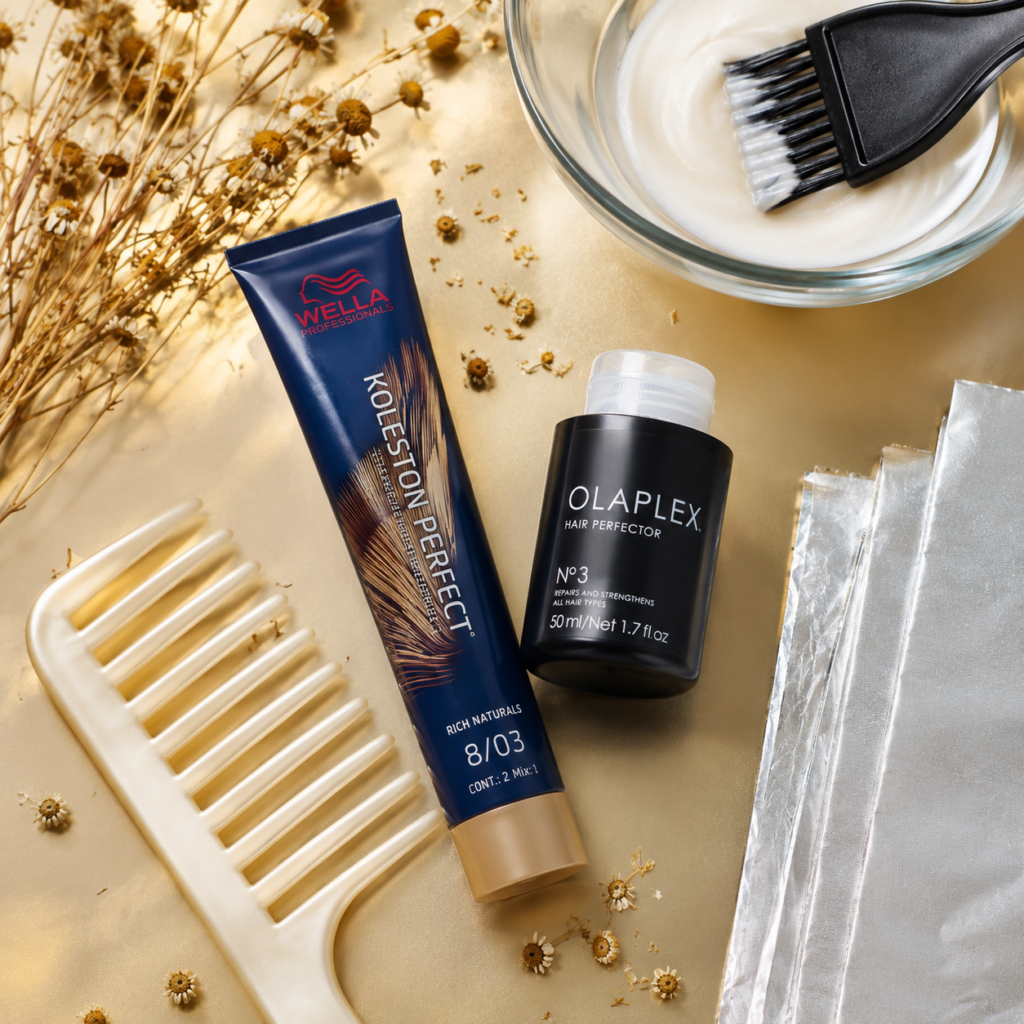
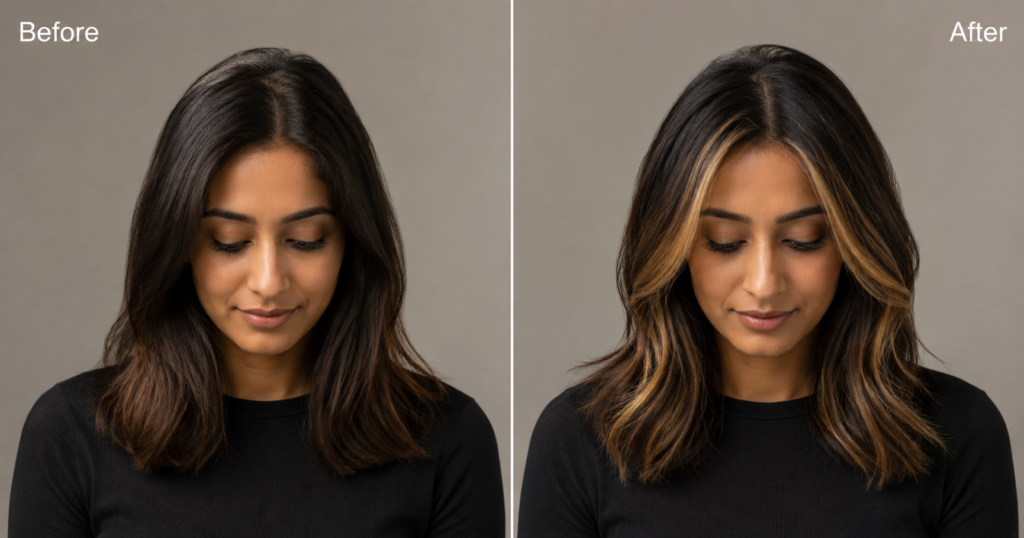
Here’s the deal, money piece hair is one of those techniques that looks effortless in photos and genuinely catastrophic when done without understanding the chemistry. Last winter I tested three different toning formulas on my own dark-brown hair to land the right warmth level for face-framing highlights, and two of them pulled orange within two weeks. Not cute. The primary lesson? Money piece hair isn’t just about slapping bleach near your face and hoping for the best. There’s real science behind placement, lift level, and toning, and getting those three things right is the difference between “expensive salon” and “at-home disaster.” I’ve been using Wella Professionals T18 Toner with 20 Volume Developer as my go-to corrector, and it consistently pulls brass without flattening dimension.
How Money Piece Hair Works
The money piece technique places concentrated lightener, usually a high-lift color or bleach, in two sections that frame the face directly from the hairline. Because those sections sit closest to your eyes and cheekbones, the color shift creates an instant brightening effect. Think of it as strategic contrast rather than all-over color.
From follicle to tip, the lightening process breaks down melanin through an oxidative reaction. Hydrogen peroxide opens the cuticle, and the bleaching agent dissolves the natural pigment inside the cortex. This is why lift level matters so much, too little developer and you get muddy yellow; too much and you risk snapping fine perimeter strands.
The face-framing sections also tend to be the most heat-exposed and frequently washed zones of your hair. As a result, porosity in those sections is often higher than the rest of your lengths, which means they absorb color faster and fade faster too.
The Protection Check: Does Your Hair Need Extra Support?
Low porosity: Cuticles are tight. Lightener processes slowly, expect 35 to 45 minutes.
Medium porosity: Most common. Predictable lift. Toner absorbs well.
High porosity: Damaged or chemically treated. Lightener hits fast, watch carefully at 20 minutes. Always pre-treat with a bonding treatment before any bleach application.
Quick test: Drop a clean hair strand in a glass of water. Floats = low porosity. Sinks slowly = medium. Sinks fast = high.
Common Mistakes vs. Better Results
| Feature | Before (Common Mistake) | After (Optimized Approach) |
|---|---|---|
| Placement | Random sections pulled from multiple spots | Two precise sections taken from the natural hairline parting |
| Developer strength | 30 or 40 volume used without porosity check | 20 volume for previously lightened hair, 30 volume for virgin dark hair |
| Toning step | Skipped entirely, leaving brassy yellow result | Toner applied within 48 hours to neutralize unwanted warmth |
| Bond protection | Bleach applied directly with no pre-treatment | Bond builder mixed into lightener formula before application |
| Maintenance frequency | Re-bleaching every 4 weeks, causing severe breakage | Root touch-up every 8 to 10 weeks, toning as needed between |
The Protocol
Follow these steps in order. Skipping the toning phase is the single most common reason a money piece goes brassy within the first wash cycle.
- Section precisely. Part your hair down the center. Take a 1-to-1.5-inch section from each side of the front hairline, no wider. Clip everything else out of the way. Imprecise sectioning is usually why the result looks “chunky” rather than intentional.
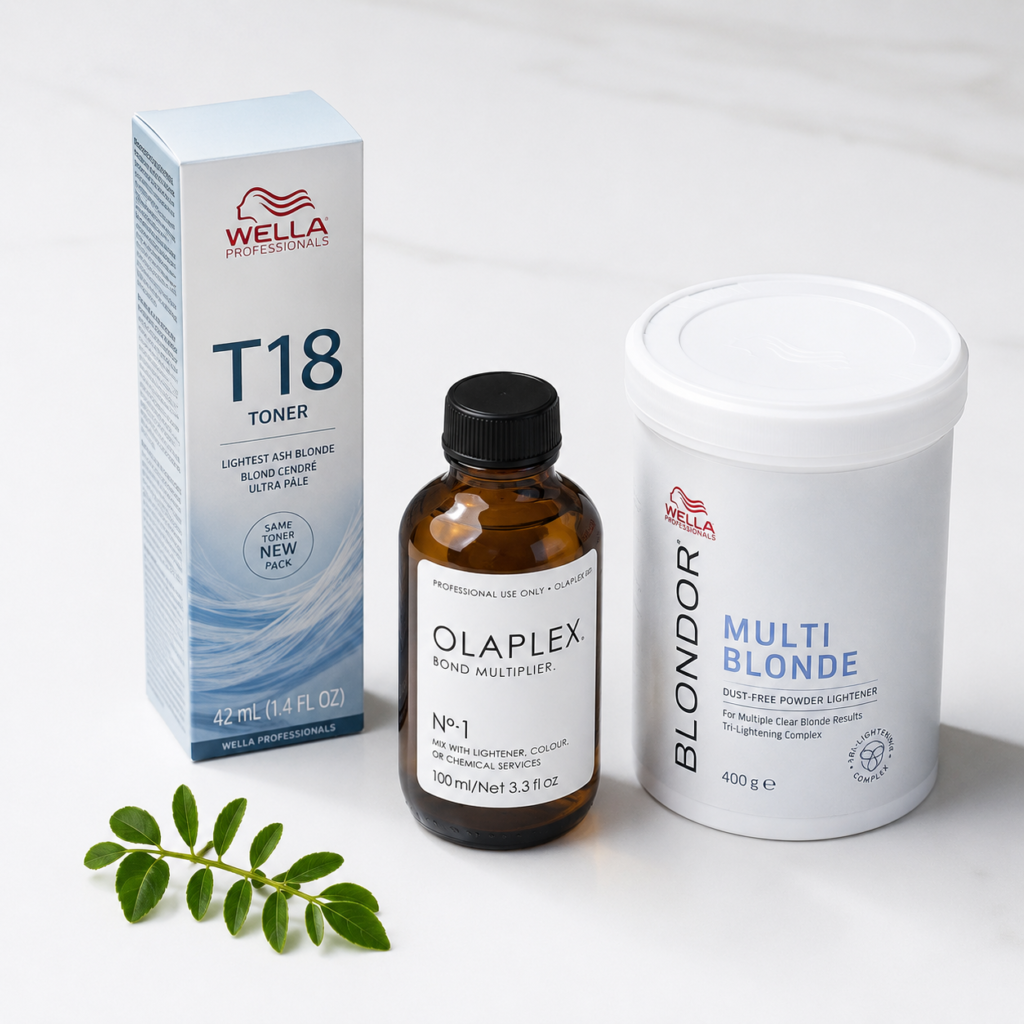
- Pre-treat with a bond builder. Mix Olaplex No. 1 Bond Multiplier into your lightener formula at the recommended ratio. High-porosity sections around the face break much faster under bleach, this step genuinely reduces snapping, especially on fine hair.
- Apply lightener from mid-length first, then roots. The scalp generates heat, which speeds up processing near the root. Starting at mid-length gives it a head start and produces a more even lift.
- Check every 10 minutes. Target lift is a pale yellow, not white, not orange. Pull a small strand and check against natural light. I aim for level 9 (very pale yellow) before rinsing.
- Tone immediately. Rinse, shampoo lightly, and apply toner while hair is still damp. A violet-based or pearl toner neutralizes the yellow-orange range. Leave it on for no longer than 20 minutes, I made the mistake of going 30 once and ended up with a flat, dull ash that looked grey in photos.
- Seal and condition. Rinse toner, apply a deep conditioner, and let it sit for at least five minutes. This closes the cuticle and locks in the tone.
Where to Save and Where to Splurge
| Feature | Drugstore Pick | Salon Professional |
|---|---|---|
| Lightener consistency | L’Oréal Quick Blue Powder Bleach, accessible, works on most textures | Wella Blondor Multi Blonde, creamier, less swelling, more controlled lift |
| Developer | Generic 20 volume from Sally Beauty, functional but variable viscosity | Wella Professionals 20 Volume Welloxon Perfect, consistent creaminess |
| Toner | Revlon ColorSilk Buttercream Toning, decent for light brown to blonde | Wella T18 Lightest Ash Blonde Toner — best for neutralizing at levels 9 to 10 |
| Bond protection | Ion Bond Rebuilder — budget option, limited during-process protection | Olaplex No. 1 — mixes directly into bleach for in-process protection |
| Maintenance color | Shimmer Lights Purple Shampoo — strong toning action, use weekly | Redken Color Extend Blondage Shampoo — gentler, better for daily use |
Frequently Asked Questions
Does money piece hair work on dark hair?
It does, but expect a two-session process if your base is level 3 or darker. One round of bleach usually gets you to a brassy orange, not the honey blonde you’re after. A second lightening pass after a week of conditioning tends to give cleaner results. Most importantly, bond protection is non-negotiable on dark, previously unprocessed hair.
How long does money piece hair last?
The color itself lasts roughly eight to twelve weeks before roots become noticeable. That said, the tone fades faster, usually within three to four weeks without a purple or toning shampoo. Using a color-depositing conditioner once a week generally extends the cool or golden tone significantly between appointments.
Can I do money piece highlights at home?
For most people with medium-to-light bases, yes, it’s one of the more forgiving highlight placements because you’re only working with two sections. However, if your hair is dark brown or black, or if it’s been chemically relaxed, I’d strongly suggest at least one professional session first. The margin for error on high-porosity damaged hair is genuinely small.
What’s the difference between money piece and babylights?
Money piece highlighting frames the face with two intentional, higher-contrast sections. Babylights are fine, delicate highlights scattered throughout for a sun-kissed effect with no single dominant section. They can work together, babylights through the lengths with a stronger money piece in front, but they’re different techniques with different placement logic.
The Amber Verdict
Money piece hair has stayed relevant for a reason, face-framing color is genuinely flattering across hair types, base colors, and face shapes, which is rarer than most trends can claim. My honest take is that the mainstream advice to “start with a high-lift color instead of bleach” is mostly wrong for anyone darker than a level 6, because high-lift pulls warm and muddy without enough of a base lift first. Get the chemistry right, go slow with developer strength, and tone every single time, and this technique holds up beautifully for months.
Pin this for your next color appointment.