
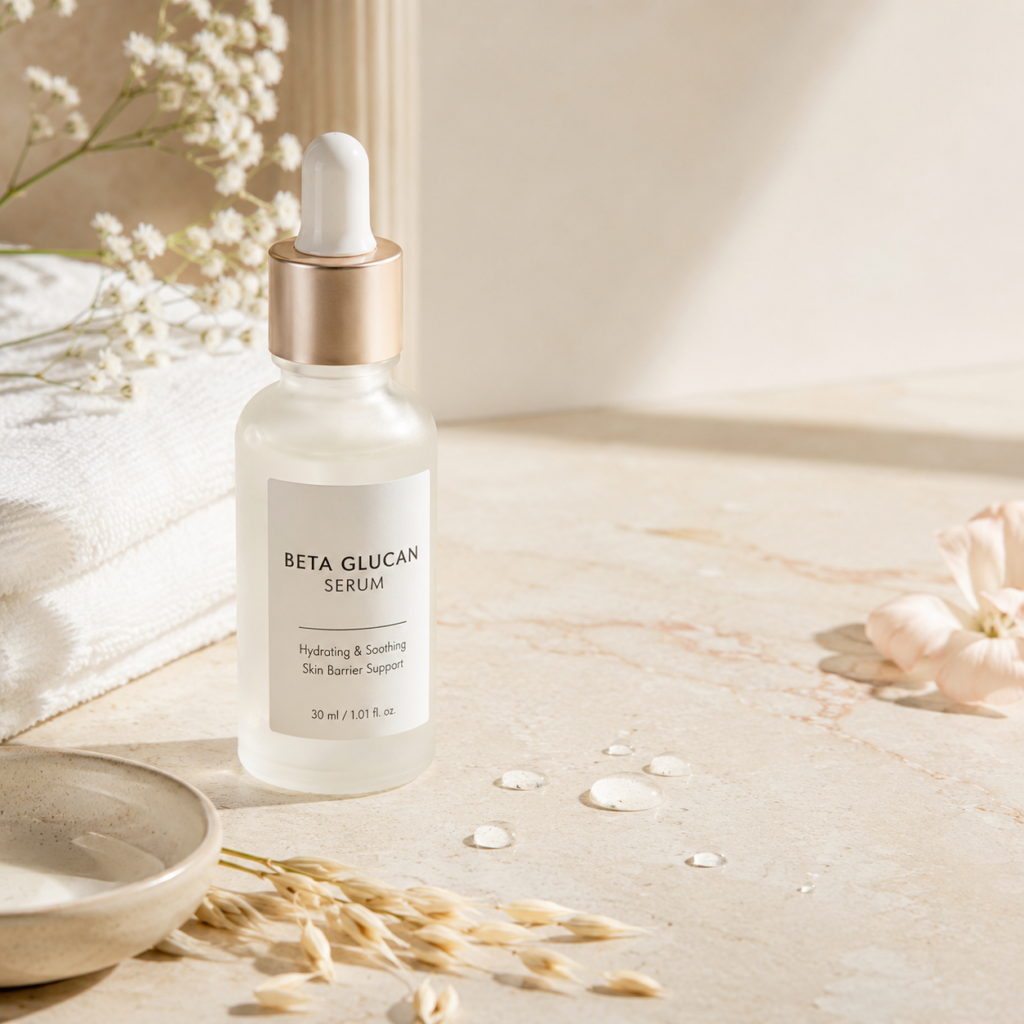
Hydrated, healthy-looking skin often starts with choosing the right serum. While ingredients like hyaluronic acid and niacinamide have dominated skincare conversations for years, beta glucan serum has quietly become a favorite among dermatologists and skincare enthusiasts for its ability to deliver lasting hydration while supporting the skin barrier.
Unlike many active ingredients that focus on a single concern, beta glucan works on multiple levels. It helps replenish moisture, calms visible redness, supports barrier repair, and leaves skin feeling softer and more resilient. This makes it an excellent addition to routines for people with dry skin, sensitive skin, dehydrated skin, or anyone recovering from irritation caused by over-exfoliation or strong active ingredients.
In this guide, you’ll learn what beta glucan serum is, how it benefits your skin, which skin types can benefit the most, and how to use it effectively alongside other popular skincare ingredients.
What Is Beta Glucan Serum?
A beta glucan serum is a lightweight skincare product formulated with beta glucan, a naturally occurring polysaccharide found in oats, yeast, mushrooms, and certain grains. In skincare, it is valued as a powerful humectant, meaning it attracts and holds moisture within the skin while helping strengthen the moisture barrier.
Unlike ingredients that simply sit on the skin’s surface, beta glucan supports hydration while improving the skin’s ability to retain moisture over time. It also helps reduce transepidermal water loss (TEWL), making it especially helpful for skin that feels tight, flaky, or easily irritated.
Many modern formulas combine beta glucan with ingredients such as ceramides, panthenol, glycerin, peptides, or niacinamide to create a serum that hydrates while supporting long-term skin health.
Where Does Beta Glucan Come From?
Beta glucan can be extracted from several natural sources, including:
- Oats
- Mushrooms
- Baker’s yeast
- Barley
Although the source varies, its skincare benefits remain largely the same. Many beauty brands use oat-derived beta glucan because it pairs well with ingredients designed to soothe and strengthen the skin.
Why Is Beta Glucan Becoming So Popular?
Today’s skincare routines often include exfoliating acids, retinoids, and vitamin C. While these ingredients offer impressive results, they can sometimes weaken the skin barrier if overused.
Beta glucan has gained popularity because it helps restore comfort and hydration without feeling heavy or greasy. Whether your goal is to calm redness, improve moisture retention, or maintain healthier-looking skin, this ingredient fits seamlessly into most routines.
Key Benefits of Beta Glucan Serum
Delivers Long-Lasting Hydration
One of the biggest reasons people add a hydrating serum to their routine is to keep skin comfortable throughout the day. Beta glucan attracts moisture to the skin while helping prevent water loss, making it particularly beneficial for dehydrated skin.
Instead of providing a temporary boost, it supports long-term hydration that leaves skin looking plumper and healthier.
Supports a Healthy Skin Barrier
Your skin barrier acts as your body’s first line of defense against pollution, environmental stressors, and moisture loss.
When this barrier becomes compromised, skin may feel:
- Tight
- Dry
- Rough
- More sensitive
- Easily irritated
Beta glucan helps reinforce this protective layer by supporting moisture retention and improving overall barrier support, making it especially useful after periods of over-exfoliation or seasonal dryness.
Helps Calm Redness and Irritation
People with sensitive skin often struggle to find ingredients that hydrate without causing discomfort.
Because beta glucan has soothing properties, it can help reduce the appearance of redness while making irritated skin feel calmer. It is commonly included in products designed for skin recovery after environmental exposure or cosmetic treatments.
Leaves Skin Looking Smoother
Hydrated skin naturally reflects light better than dry skin.
Regular use of beta glucan serum may help improve the appearance of:
- Fine lines caused by dehydration
- Rough texture
- Dull-looking skin
- Uneven moisture levels
Rather than dramatically changing your complexion overnight, it works gradually by improving your skin’s hydration and resilience.
Helps Skin Recover from Daily Stress
Everyday exposure to UV rays, pollution, dry indoor air, and changing weather can place stress on the skin.
Beta glucan helps support the skin’s natural recovery process while maintaining a healthier moisture balance, making it an excellent ingredient for year-round skincare.
Who Should Use Beta Glucan Serum?
One reason beta glucan has become increasingly popular is its versatility. It works well for many different skin types without feeling overly rich or heavy.
Dry Skin
If your skin frequently feels tight or flaky, beta glucan can provide lasting hydration while improving moisture retention.
Its ability to reduce TEWL makes it particularly useful during colder months when skin tends to lose water more quickly.
Sensitive Skin
People with sensitive skin often prefer ingredients that soothe rather than stimulate.
Beta glucan helps calm visible redness and supports a healthier moisture barrier, making it suitable for skin that reacts easily to environmental changes or stronger skincare products.
Oily but Dehydrated Skin
Many people assume oily skin doesn’t need extra hydration, but dehydration and oil production are not the same thing.
A lightweight beta glucan serum hydrates without leaving a greasy finish, helping balance moisture levels while maintaining a comfortable feel.
Mature Skin
As skin ages, it naturally loses moisture more quickly.
Adding beta glucan to a daily routine may help improve the appearance of fine lines caused by dehydration while supporting smoother, more resilient skin.
Acne-Prone Skin
People with acne-prone skin often use treatments containing salicylic acid, benzoyl peroxide, or retinoids, all of which can leave skin feeling dry.
Because beta glucan helps maintain hydration without clogging pores, it can complement these routines by supporting the skin barrier and reducing feelings of tightness.
How to Use Beta Glucan Serum
Using beta glucan correctly helps you get the most from this calming and hydrating ingredient.
Morning Routine
A simple morning routine might look like this:
- Cleanse with a gentle face cleanser.
- Apply beta glucan serum to slightly damp skin.
- Follow with a moisturizer to lock in hydration.
- Finish with a broad-spectrum sunscreen.
This routine works well for most skin types because it focuses on hydration and barrier support without adding unnecessary complexity.
Evening Routine
Your evening routine is the ideal time to help your skin recover from daily exposure to pollution, UV rays, and environmental stressors.
A simple nighttime routine looks like this:
- Remove makeup and cleanse your face.
- Apply your beta glucan serum to clean, slightly damp skin.
- Follow with a nourishing moisturizer.
- If you use retinol or prescription treatments, apply them according to your dermatologist’s recommendations.
Consistency matters more than using large amounts of product. A few drops are usually enough to cover your entire face and neck.
Ingredients That Pair Well with Beta Glucan
One of the biggest advantages of beta glucan is its versatility. It layers well with many popular skincare ingredients, making it easy to incorporate into an existing routine.
Hyaluronic Acid
Beta glucan and hyaluronic acid are both excellent humectants. Together, they help attract and retain moisture, leaving skin looking plumper and feeling more comfortable.
Niacinamide
Niacinamide supports oil balance and helps improve uneven skin tone, while beta glucan focuses on hydration and calming the skin. This combination works well for combination and acne-prone skin.
Ceramides
Ceramides strengthen the skin barrier by replenishing essential lipids. Pairing them with beta glucan creates a powerful barrier-supporting routine, especially for dry or sensitive skin.
Peptides
Peptides help improve the appearance of skin firmness, while beta glucan keeps the skin hydrated and comfortable. Together, they make a great choice for mature skin.
Vitamin C
Vitamin C helps brighten dull-looking skin and protects against environmental damage. Applying beta glucan afterward can help maintain hydration and minimize dryness that some people experience with vitamin C.
Ingredients to Use Carefully
Although beta glucan is generally gentle, you should still introduce new skincare products gradually.
Retinoids
Beta glucan works well alongside retinol because it helps reduce dryness and supports the skin barrier. If you’re new to retinoids, start slowly to avoid irritation.
AHAs and BHAs
Chemical exfoliants like glycolic acid, lactic acid, and salicylic acid can leave skin feeling dry if overused. Applying beta glucan afterward helps restore hydration and comfort.
Benzoyl Peroxide
Acne treatments containing benzoyl peroxide may cause dryness. Beta glucan helps replenish moisture without adding a heavy feel.
Beta Glucan vs Hyaluronic Acid
Both ingredients are excellent for hydration, but they offer slightly different benefits.
| Beta Glucan | Hyaluronic Acid |
|---|---|
| Supports skin barrier | Primarily hydrates the skin |
| Helps calm visible redness | Instantly boosts hydration |
| Ideal for sensitive skin | Suitable for most skin types |
| Helps reduce transepidermal water loss (TEWL) | Attracts water to the skin |
| Often paired with barrier-repair ingredients | Common in hydrating serums |
Which One Should You Choose?
If your skin is dehydrated but otherwise healthy, hyaluronic acid may provide the hydration you’re looking for.
If your skin is sensitive, easily irritated, or has a compromised moisture barrier, beta glucan may offer additional soothing and barrier-support benefits.
Many skincare routines successfully include both ingredients.
Common Mistakes When Using Beta Glucan Serum
Avoid these common mistakes to get the best results.
Applying to Completely Dry Skin
Applying beta glucan to slightly damp skin helps maximize moisture retention.
Skipping Moisturizer
Although beta glucan is a powerful humectant, it works best when followed by a moisturizer that helps seal hydration into the skin.
Using Too Many Active Ingredients
Layering multiple strong acids or retinoids at once may increase irritation. Keep your routine balanced.
Forgetting Sunscreen
Healthy skin still needs daily sun protection. UV exposure can weaken the skin barrier and reduce the effectiveness of your skincare routine.
How Long Does It Take to See Results?
Hydration can often be noticeable after the first few applications.
However, improvements in skin texture, barrier function, and overall comfort generally become more noticeable after two to six weeks of consistent use.
Everyone’s skin is different, so results depend on factors such as skin type, routine consistency, and the products you use alongside beta glucan.
How to Choose a Good Beta Glucan Serum
Not every serum is formulated the same way. Consider these factors before purchasing:
- Beta glucan listed among the key ingredients
- Fragrance-free if you have sensitive skin
- Contains complementary ingredients like ceramides, panthenol, glycerin, or peptides
- Lightweight texture that suits your skin type
- Air-tight or opaque packaging to help preserve ingredient quality
Pairing a quality moisturizer with beta glucan helps strengthen the moisture barrier and improves long-term hydration.
Frequently Asked Questions
Can you use beta glucan serum every day?
Yes. Beta glucan is generally gentle enough for daily use in both morning and evening routines.
Is beta glucan better than hyaluronic acid?
Neither ingredient is universally better. Hyaluronic acid excels at hydration, while beta glucan also supports the skin barrier and helps calm sensitive skin.
Can beta glucan help acne-prone skin?
Yes. It doesn’t treat acne directly, but it helps maintain hydration and supports the skin barrier, which can improve overall skin comfort while using acne treatments.
Can I use beta glucan with retinol?
Yes. Many people pair beta glucan with retinol to reduce dryness and improve skin comfort.
Does beta glucan clog pores?
Beta glucan is generally considered suitable for most skin types, including oily and acne-prone skin, because it has a lightweight texture.
Can I use beta glucan with vitamin C?
Yes. These ingredients work well together, with vitamin C targeting brightness and beta glucan providing hydration and soothing support.
Is beta glucan good for sensitive skin?
Yes. Its calming and hydrating properties make it one of the more skin-friendly ingredients for people with sensitivity.
Can beta glucan replace a moisturizer?
No. A serum provides targeted hydration, while a moisturizer helps lock that hydration into the skin. Using both together delivers the best results.
Final Thoughts
If you’re looking for a gentle yet effective way to improve hydration, strengthen your skin barrier, and support healthier-looking skin, beta glucan serum is well worth considering. Its ability to soothe sensitive skin, reduce moisture loss, and work alongside ingredients like niacinamide, ceramides, peptides, vitamin C, and hyaluronic acid makes it a versatile addition to almost any skincare routine.
Whether your goal is to calm redness, improve moisture retention, or support skin recovery after using active ingredients, beta glucan offers benefits that go beyond basic hydration. By choosing a well-formulated serum and using it consistently, you can help your skin feel softer, more resilient, and better protected against everyday environmental stressors.