
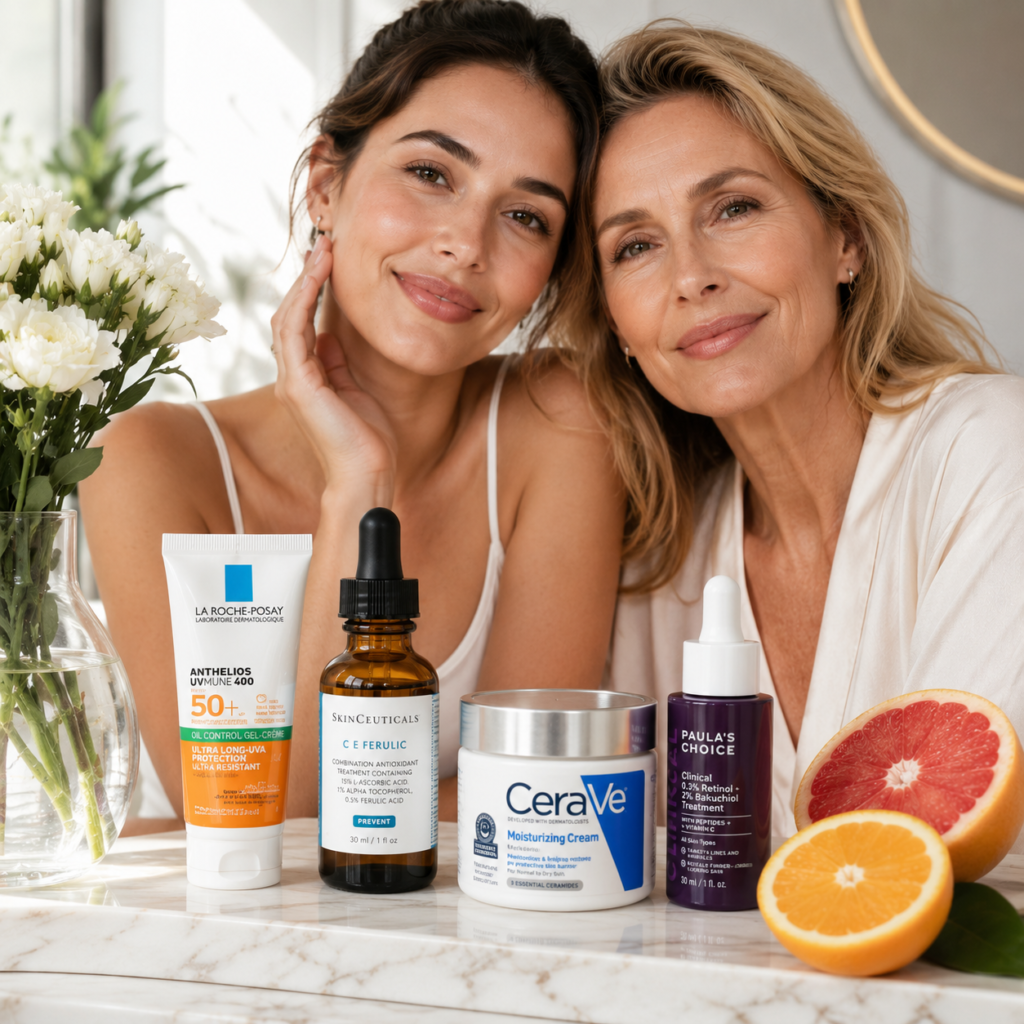
The conversation around skincare has changed dramatically over the last few years. Instead of chasing quick fixes or miracle creams that promise to erase every wrinkle, more dermatologists are encouraging people to focus on skin longevity, a science-backed approach to keeping the skin healthy, resilient, and youthful for the long term.
This modern approach is known as skin longevity. Rather than trying to reverse every visible sign of aging, it emphasizes protecting your skin, preserving its natural functions, and helping it stay resilient throughout every stage of life.
Healthy skin isn’t defined by being completely wrinkle-free. It is skin that holds moisture well, repairs itself efficiently, maintains a strong protective barrier, and remains comfortable and balanced despite daily environmental stress. This idea is closely linked to skinspan, a term that describes how long your skin continues to function at its best.
The encouraging news is that you don’t need an overly complicated routine to support long-term skin health. Consistent habits, evidence-backed ingredients, and smart lifestyle choices can make a meaningful difference over time.
In this guide, you’ll discover:
- What skin longevity really means
- Why experts are moving beyond traditional anti-aging advice
- The science behind healthy skin aging
- Daily habits that protect your complexion
- Ingredients supported by dermatology research
- Practical routines that help maintain healthy, resilient skin
What Is Skin Longevity?
Simply put, skin longevity is the practice of keeping your skin healthy, functional, and resilient for as long as possible. Instead of focusing only on how your skin looks today, it encourages decisions that support its health for years to come.
This approach recognizes that beautiful skin begins with strong foundations. When your skin barrier is healthy, hydration is balanced, and collagen remains well supported, your complexion naturally appears smoother, brighter, and more even.
Unlike trends that promise overnight transformations, this philosophy is built around prevention and consistency.
Skin Longevity vs. Anti-Aging
Although these terms are often used together, they represent different ways of thinking about skincare.
Traditional anti-aging products usually focus on reducing visible concerns after they appear, such as fine lines, wrinkles, or uneven pigmentation.
A longevity-focused approach aims to reduce unnecessary damage before it becomes noticeable. Daily sun protection, barrier support, antioxidants, and healthy lifestyle habits all contribute to maintaining stronger skin over time.
Think of it this way:
| Traditional Anti-Aging | Long-Term Skin Health |
|---|---|
| Focuses on correcting wrinkles | Focuses on preventing unnecessary damage |
| Appearance first | Skin function first |
| Short-term improvements | Sustainable skin health |
| Targets individual concerns | Supports the entire skin ecosystem |
Both approaches have value, but prevention almost always delivers better long-term results.
Understanding Skinspan
You may have noticed the word skinspan appearing more frequently in skincare discussions.
It follows the same idea as “healthspan,” which describes the years a person remains healthy rather than simply alive.
For your skin, this means preserving its ability to:
- Retain moisture
- Produce collagen efficiently
- Recover from daily stress
- Maintain elasticity
- Protect against environmental damage
Everyday habits have a surprisingly large influence on these functions.
Why Healthy Skin Changes Over Time
Aging is completely natural, but the speed at which visible changes appear depends on both genetics and everyday habits.
Some factors are outside our control, while others are influenced by the choices we make every day.
Collagen Production Gradually Slows
Collagen acts as the structural framework of the skin, helping it remain firm and smooth. Elastin works alongside collagen by allowing the skin to stretch and return to its original shape.
As the years pass, the body naturally produces less of both proteins. This gradual decline contributes to:
- Fine lines
- Reduced firmness
- Loss of elasticity
- Thinner skin
Protecting existing collagen becomes just as important as supporting new production.
The Skin Barrier Becomes More Vulnerable
Your skin barrier is a thin protective layer that locks in moisture while defending against pollution, irritants, and harmful microorganisms.
When this barrier weakens, you may experience:
- Dryness
- Increased sensitivity
- Tightness
- Redness
- Rough texture
Keeping this barrier healthy is one of the most effective ways to support comfortable, resilient skin.
Free Radicals and Oxidative Stress
Throughout the day, your skin encounters environmental factors that generate unstable molecules known as free radicals.
Common sources include:
- Sun exposure
- Air pollution
- Cigarette smoke
- Poor dietary habits
- Chronic stress
Over time, these unstable molecules contribute to oxidative stress, a process that damages healthy skin cells and accelerates visible aging.
This is one reason antioxidant-rich ingredients such as Vitamin C are widely recommended by dermatologists.
Cellular Senescence Explained Simply
Our skin is constantly renewing itself by replacing old cells with new ones.
As we age, some cells stop functioning efficiently. Instead of supporting healthy repair, they remain in the skin and release inflammatory signals that can affect surrounding tissue.
This process, known as cellular senescence, is a normal part of aging, but healthy habits may help your skin continue repairing itself more effectively.
Why Sun Exposure Matters So Much
Among all external factors, ultraviolet radiation has the greatest impact on premature skin aging.
Repeated exposure can:
- Break down collagen
- Trigger uneven pigmentation
- Increase fine lines
- Reduce skin elasticity
- Weaken the skin’s natural defenses
Daily sunscreen remains one of the simplest and most effective ways to preserve healthy skin throughout life.
Daily Habits That Build Healthy, Resilient Skin
While skincare products certainly play an important role, your everyday routine has an even greater influence on how your skin performs over the years.
Small habits repeated consistently often deliver better results than expensive treatments used occasionally.
Cleanse Without Stripping Your Skin
Cleansing removes sunscreen, excess oil, sweat, and environmental pollutants.
However, harsh cleansers can remove beneficial oils that help maintain a healthy barrier.
Choose a gentle formula that leaves your skin feeling clean but never tight or uncomfortable.
Hydration Supports Barrier Function
Well-hydrated skin looks smoother, feels softer, and functions more efficiently.
Moisturizers containing ceramides and hyaluronic acid help reduce water loss while supporting the skin’s protective barrier.
Sunscreen Is Your Best Daily Habit
No skincare ingredient can completely undo years of UV damage.
Making sunscreen a non-negotiable part of your morning routine protects collagen, reduces pigmentation, and helps preserve overall skin quality.
Sleep Helps Your Skin Recover
During sleep, your body shifts its focus toward repair.
Giving yourself seven to nine hours of quality rest allows your skin to recover from everyday environmental stress and maintain healthier function over time.
Nourish Your Skin From Within
A balanced diet rich in colorful vegetables, fruit, healthy fats, lean protein, and antioxidant-rich foods provides nutrients that support collagen production and healthy skin aging.
Simple lifestyle choices often work alongside your skincare routine to create the best long-term results.
The Most Effective Skincare Ingredients for Long-Term Skin Health
Building an effective routine doesn’t require dozens of products. The goal is to choose ingredients that have strong scientific support and use them consistently. A simple routine built around proven actives is often more effective than constantly switching between trending products.
Vitamin C
Vitamin C is one of the most researched antioxidants in skincare. It helps defend the skin against environmental stress, supports collagen production, and gradually improves uneven skin tone caused by sun exposure.
Applying a Vitamin C serum in the morning can complement your daily sunscreen by providing additional antioxidant protection.
Retinoids
Retinoids are considered the gold standard for supporting healthy skin aging. They encourage cell turnover, stimulate collagen production, and improve the appearance of fine lines, texture, and uneven pigmentation over time.
If you’re new to retinoids, start slowly by applying them two or three nights per week before increasing frequency.
Niacinamide
Niacinamide is suitable for almost every skin type. It helps strengthen the skin barrier, balance excess oil, reduce redness, and improve overall resilience.
Because it works well with many other ingredients, it fits easily into both morning and evening routines.
Ceramides
Ceramides are natural lipids found within the skin barrier. Replacing them through skincare helps reduce moisture loss and keeps the complexion feeling soft and comfortable.
People with dry or sensitive skin often notice significant improvements after introducing a ceramide-rich moisturizer.
Hyaluronic Acid
Hyaluronic acid attracts water to the skin, making it appear smoother and better hydrated. While it doesn’t reverse aging, it supports overall skin function and pairs well with moisturizing ingredients.
Peptides
Peptides are short chains of amino acids that support the skin’s natural repair process. They may help improve firmness and elasticity when used consistently as part of a balanced skincare routine.
A Simple Morning Routine
A good morning routine doesn’t need to be complicated. Four consistent steps are enough for most people.
- Cleanse with a gentle face wash if needed.
- Apply a Vitamin C serum.
- Moisturize with a hydrating cream containing ceramides or hyaluronic acid.
- Finish with broad-spectrum sunscreen.
Following these steps every morning helps protect your skin from daily environmental stress while supporting long-term skin health.
An Evening Routine That Supports Overnight Repair
Nighttime is when the skin naturally focuses on recovery.
A simple evening routine may include:
- Gentle cleansing to remove makeup, sunscreen, and impurities.
- Applying a treatment product such as a retinoid or peptide serum.
- Locking in moisture with a nourishing moisturizer.
Avoid introducing several active ingredients at once. Consistency is far more valuable than using too many products.
Lifestyle Habits That Support Healthy Skin
Good skincare starts in the bathroom but continues throughout the rest of your day. Everyday choices can influence how your skin looks and feels over time.
Eat a Balanced Diet
A diet rich in colorful vegetables, fruit, healthy fats, lean protein, and whole grains provides nutrients that support collagen production and healthy skin function.
Omega-3 fatty acids, Vitamin C, zinc, and antioxidant-rich foods are particularly beneficial.
Stay Hydrated
While drinking more water won’t erase wrinkles, staying properly hydrated supports normal body functions and complements a moisturizing skincare routine.
Prioritize Sleep
Your body repairs itself during sleep, including the skin. Seven to nine hours of quality rest gives your skin time to recover from daily stress.
Manage Stress
Long-term stress can contribute to inflammation that affects both your overall health and your complexion.
Simple activities such as walking, meditation, reading, or yoga may help improve overall well-being.
Avoid Smoking
Smoking accelerates collagen breakdown, reduces circulation, and contributes to premature wrinkles. Quitting remains one of the most effective lifestyle improvements for healthier skin.
Professional Treatments Worth Considering
Although a consistent home routine should always come first, some professional treatments may enhance results when recommended by a qualified dermatologist.
Microneedling
Stimulates collagen production by creating controlled micro-injuries in the skin.
Chemical Peels
Help improve uneven skin tone, rough texture, and certain types of pigmentation.
Laser Treatments
Can target sun damage, redness, and collagen remodeling depending on the technology used.
Red Light Therapy
Research suggests that LED red light therapy may support skin repair and collagen production when used consistently, although results vary between individuals.
Common Mistakes That Can Affect Skin Health
Many people unknowingly slow their progress by making small but consistent mistakes.
Avoid these habits:
- Skipping sunscreen on cloudy days.
- Over-exfoliating the skin.
- Trying too many new products at once.
- Ignoring signs of a damaged skin barrier.
- Expecting overnight results.
- Following social media trends without checking the evidence.
Healthy skin is built through patience and consistency rather than quick fixes.
Healthy Skin at Every Age
In Your 20s
Build good habits with sunscreen, hydration, and antioxidant protection.
In Your 30s
Introduce ingredients such as retinoids and peptides while maintaining a consistent daily routine.
In Your 40s
Focus on supporting collagen production, repairing the skin barrier, and maintaining hydration.
In Your 50s and Beyond
Choose nourishing products that improve comfort, strengthen the skin barrier, and support elasticity while continuing daily sun protection.
It’s never too early, or too late, to begin caring for your skin.
Myths vs. Facts
| Myth | Fact |
|---|---|
| Expensive products always work better. | Ingredients and consistency matter more than price. |
| You only need sunscreen during summer. | UV rays are present throughout the year. |
| More products produce better results. | A simple, consistent routine is usually more effective. |
| Wrinkles can be completely erased. | Skincare can improve appearance, but aging is a natural process. |
| It’s too late to improve your skin. | Healthy habits can benefit the skin at almost any age. |
Frequently Asked Questions
What is skin longevity?
Skin longevity is the idea of maintaining healthy, resilient skin by supporting its natural ability to protect, repair, and renew itself over time.
Is it different from anti-aging?
Yes. Anti-aging often focuses on treating visible signs of aging, while this approach emphasizes prevention and maintaining healthy skin for the future.
Which ingredient is most important?
Daily sunscreen is widely considered the single most effective product for protecting the skin from premature aging caused by ultraviolet radiation.
Can diet improve skin health?
A balanced diet rich in antioxidants, healthy fats, vitamins, and protein supports overall skin function and complements a consistent skincare routine.
How long before I notice results?
Hydration improvements may appear within days, while ingredients such as Vitamin C and retinoids typically require several weeks or months of regular use.
Conclusion
Beautiful skin isn’t created by one miracle product or an expensive treatment. It’s the result of small, consistent choices that protect and support your skin every day. That’s exactly what skin longevity is all about, building healthy habits that help your skin stay strong, resilient, and radiant for years to come.
By combining gentle skincare, proven ingredients, daily sun protection, nourishing foods, quality sleep, and healthy lifestyle habits, you can help your skin remain strong, comfortable, and resilient for years to come.
Rather than chasing unrealistic beauty standards, focus on building a routine that supports your skin’s natural ability to repair and defend itself. The investment you make today can continue paying off well into the future.